
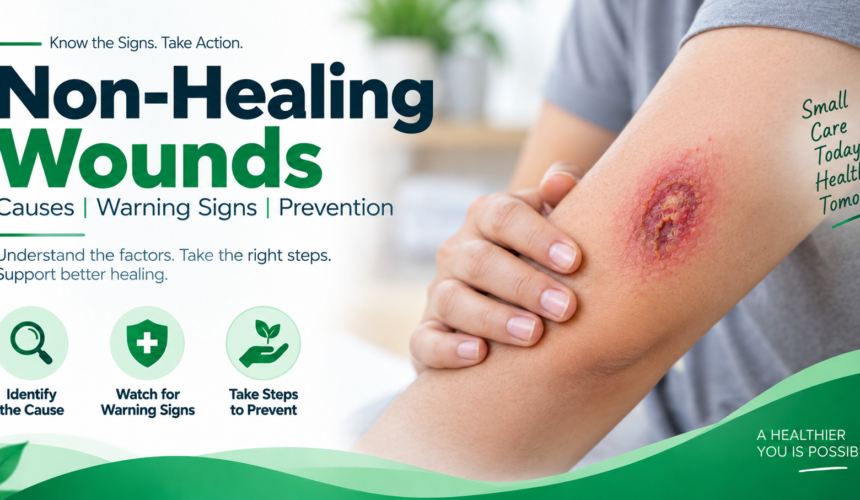
[cmsmasters_row data_shortcode_id=”ifqjujixrc” data_padding_bottom_mobile_v=”0″ data_padding_top_mobile_v=”0″ data_padding_bottom_mobile_h=”0″ data_padding_top_mobile_h=”0″ data_padding_bottom_tablet=”0″ data_padding_top_tablet=”0″ data_padding_bottom_laptop=”0″ data_padding_top_laptop=”0″ data_padding_bottom_large=”0″ data_padding_top_large=”0″ data_padding_bottom=”50″ data_padding_top=”0″ data_bg_parallax_ratio=”0.5″ data_bg_size=”cover” data_bg_attachment=”scroll” data_bg_repeat=”no-repeat” data_bg_position=”top center” data_color=”default” data_bot_style=”default” data_top_style=”default” data_padding_right=”3″ data_padding_left=”3″ data_width=”boxed”][cmsmasters_column data_width=”1/1″ data_shortcode_id=”nkcz2uybw” data_animation_delay=”0″ data_border_style=”default” data_bg_size=”cover” data_bg_attachment=”scroll” data_bg_repeat=”no-repeat” data_bg_position=”top center”][cmsmasters_text shortcode_id=”ahqb2skvp” animation_delay=”0″] Non-Healing Wounds can start as a small cut, blister, pressure injury, or minor skin break but may become a serious concern when they fail to improve over time. Conditions such as diabetes, poor blood circulation, nerve damage, infection, repeated pressure, and poor nutrition can interfere with the body’s natural healing process. Recognizing the early warning signs is important because timely wound assessment and...
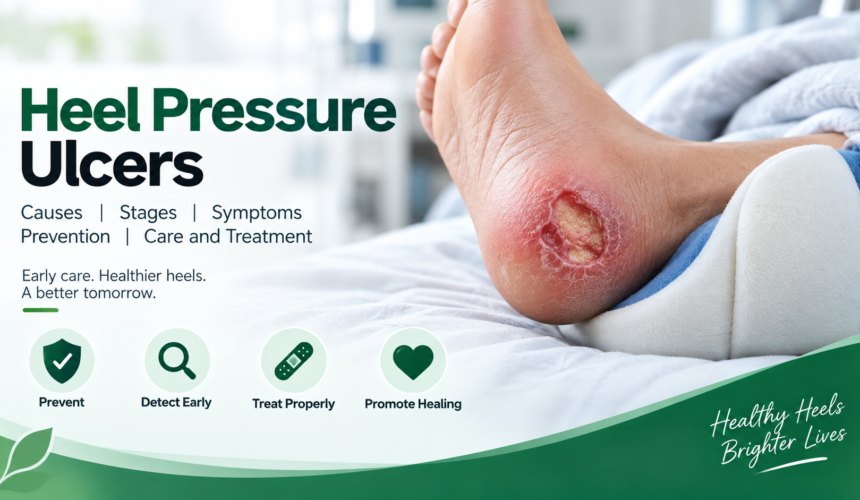
Heel Pressure Ulcers: Causes, Stages, Symptoms, Prevention and Care
[cmsmasters_row data_shortcode_id=”smp4m61ppy” data_padding_bottom_mobile_v=”0″ data_padding_top_mobile_v=”0″ data_padding_bottom_mobile_h=”0″ data_padding_top_mobile_h=”0″ data_padding_bottom_tablet=”0″ data_padding_top_tablet=”0″ data_padding_bottom_laptop=”0″ data_padding_top_laptop=”0″ data_padding_bottom_large=”0″ data_padding_top_large=”0″ data_padding_bottom=”50″ data_padding_top=”0″ data_bg_parallax_ratio=”0.5″ data_bg_size=”cover” data_bg_attachment=”scroll” data_bg_repeat=”no-repeat” data_bg_position=”top center” data_color=”default” data_bot_style=”default” data_top_style=”default” data_padding_right=”3″ data_padding_left=”3″ data_width=”boxed”][cmsmasters_column data_width=”1/1″ data_shortcode_id=”vhtwgvqq7″ data_animation_delay=”0″ data_border_style=”default” data_bg_size=”cover” data_bg_attachment=”scroll” data_bg_repeat=”no-repeat” data_bg_position=”top center”][cmsmasters_text shortcode_id=”yuqony7bl4″ animation_delay=”0″] Heel pressure ulcers, also called heel pressure injuries or heel bedsores, are wounds that develop when prolonged pressure on the heel reduces blood flow and damages the skin and underlying tissues. They are particularly common in people who are bedridden, have limited mobility, use wheelchairs, or have poor circulation. Because the heel has relatively little soft tissue between the skin and the underlying...
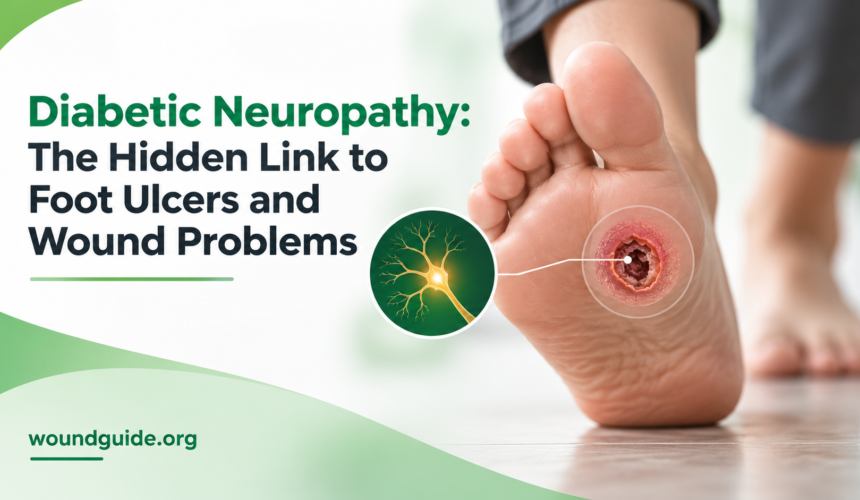
7 Ways Diabetic Neuropathy Can Lead to Foot Ulcers & Wound Problems
[cmsmasters_row data_width=”boxed” data_padding_left=”3″ data_padding_right=”3″ data_top_style=”default” data_bot_style=”default” data_color=”default” data_bg_position=”top center” data_bg_repeat=”no-repeat” data_bg_attachment=”scroll” data_bg_size=”cover” data_bg_parallax_ratio=”0.5″ data_padding_top=”0″ data_padding_bottom=”50″ data_padding_top_large=”0″ data_padding_bottom_large=”0″ data_padding_top_laptop=”0″ data_padding_bottom_laptop=”0″ data_padding_top_tablet=”0″ data_padding_bottom_tablet=”0″ data_padding_top_mobile_h=”0″ data_padding_bottom_mobile_h=”0″ data_padding_top_mobile_v=”0″ data_padding_bottom_mobile_v=”0″ data_shortcode_id=”fhxlu5g2ki”][cmsmasters_column data_width=”1/1″ data_bg_position=”top center” data_bg_repeat=”no-repeat” data_bg_attachment=”scroll” data_bg_size=”cover” data_border_style=”default” data_animation_delay=”0″ data_shortcode_id=”18s6ixwy1e”][cmsmasters_text shortcode_id=”240edx9oi6″ animation_delay=”0″] A Diabetic Neuropathy can quietly affect your feet and increase the risk of unnoticed injuries, foot ulcers, and wound complications. You may have a small cut, blister, burn, or pressure spot without feeling the usual pain or discomfort that tells you something is wrong. This loss of sensation is one reason people with diabetes need to pay close attention to their feet. When...
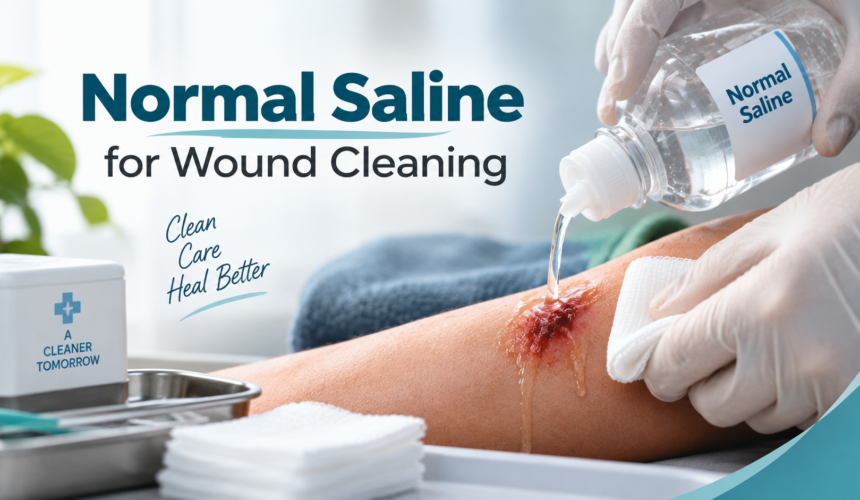
Normal Saline for Wound Cleaning: How to Clean Wounds Safely and Properly
[cmsmasters_row data_shortcode_id=”6d99aisst9″ data_padding_bottom_mobile_v=”0″ data_padding_top_mobile_v=”0″ data_padding_bottom_mobile_h=”0″ data_padding_top_mobile_h=”0″ data_padding_bottom_tablet=”0″ data_padding_top_tablet=”0″ data_padding_bottom_laptop=”0″ data_padding_top_laptop=”0″ data_padding_bottom_large=”0″ data_padding_top_large=”0″ data_padding_bottom=”50″ data_padding_top=”0″ data_bg_parallax_ratio=”0.5″ data_bg_size=”cover” data_bg_attachment=”scroll” data_bg_repeat=”no-repeat” data_bg_position=”top center” data_color=”default” data_bot_style=”default” data_top_style=”default” data_padding_right=”3″ data_padding_left=”3″ data_width=”boxed”][cmsmasters_column data_width=”1/1″ data_shortcode_id=”cc0xdts2st” data_animation_delay=”0″ data_border_style=”default” data_bg_size=”cover” data_bg_attachment=”scroll” data_bg_repeat=”no-repeat” data_bg_position=”top center”][cmsmasters_text shortcode_id=”u61idmmhk5″ animation_delay=”0″] Normal saline is commonly used for wound cleaning because it is gentle and compatible with body tissues. However, the right way to clean a wound can depend on the type, depth, location, and condition of the wound. In this guide, we explain what normal saline is, why it is used for wound cleaning, how wounds are generally cleaned, and when professional medical care...
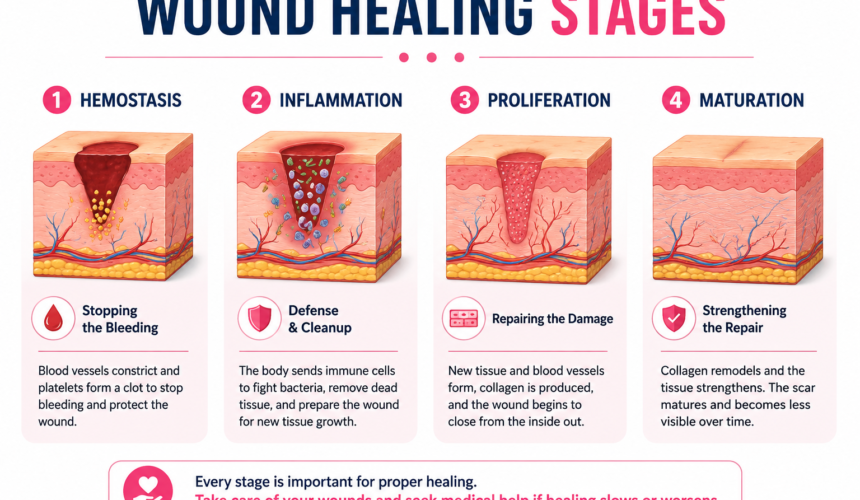
Wound Healing Stages: How a Wound Heals and When to Worry
[cmsmasters_row data_width=”boxed” data_padding_left=”3″ data_padding_right=”3″ data_top_style=”default” data_bot_style=”default” data_color=”default” data_bg_position=”top center” data_bg_repeat=”no-repeat” data_bg_attachment=”scroll” data_bg_size=”cover” data_bg_parallax_ratio=”0.5″ data_padding_top=”0″ data_padding_bottom=”50″ data_padding_top_large=”0″ data_padding_bottom_large=”0″ data_padding_top_laptop=”0″ data_padding_bottom_laptop=”0″ data_padding_top_tablet=”0″ data_padding_bottom_tablet=”0″ data_padding_top_mobile_h=”0″ data_padding_bottom_mobile_h=”0″ data_padding_top_mobile_v=”0″ data_padding_bottom_mobile_v=”0″ data_shortcode_id=”gnfd3ysw3″][cmsmasters_column data_width=”1/1″ data_bg_position=”top center” data_bg_repeat=”no-repeat” data_bg_attachment=”scroll” data_bg_size=”cover” data_border_style=”default” data_animation_delay=”0″ data_shortcode_id=”6su9wax81″][cmsmasters_text shortcode_id=”ao7pgxiwu” animation_delay=”0″] Understanding the Wound Healing Stages can help you know whether a wound appears to be healing normally or whether it may need medical attention. When the skin is injured, the body immediately begins a complex repair process. Whether the injury is a small cut, surgical wound, burn, ulcer, or deeper wound, healing generally follows a series of overlapping stages. The four main Wound...
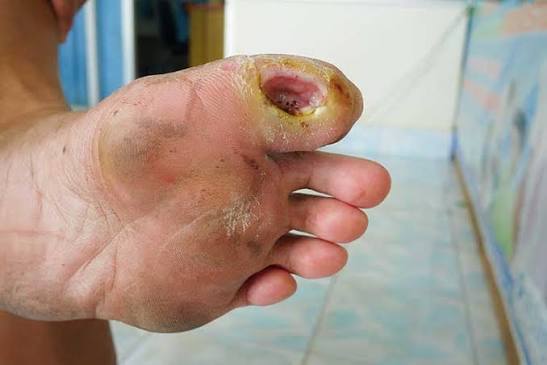
Diabetic Foot Infection: Symptoms, Causes, Treatment & Prevention
[cmsmasters_row data_shortcode_id=”rb0q58mb2b” data_padding_bottom_mobile_v=”0″ data_padding_top_mobile_v=”0″ data_padding_bottom_mobile_h=”0″ data_padding_top_mobile_h=”0″ data_padding_bottom_tablet=”0″ data_padding_top_tablet=”0″ data_padding_bottom_laptop=”0″ data_padding_top_laptop=”0″ data_padding_bottom_large=”0″ data_padding_top_large=”0″ data_padding_bottom=”50″ data_padding_top=”0″ data_bg_parallax_ratio=”0.5″ data_bg_size=”cover” data_bg_attachment=”scroll” data_bg_repeat=”no-repeat” data_bg_position=”top center” data_color=”default” data_bot_style=”default” data_top_style=”default” data_padding_right=”3″ data_padding_left=”3″ data_width=”boxed”][cmsmasters_column data_width=”1/1″ data_shortcode_id=”d8kzbszixs” data_animation_delay=”0″ data_border_style=”default” data_bg_size=”cover” data_bg_attachment=”scroll” data_bg_repeat=”no-repeat” data_bg_position=”top center”][cmsmasters_text shortcode_id=”nkg1wzhenb” animation_delay=”0″] A diabetic foot infection can start with something that seems minor: a small cut, blister, crack, blistered area, or foot ulcer but it may become a serious problem if it is not recognized and treated promptly. Diabetes can affect sensation and circulation in the feet, making it easier for injuries to go unnoticed and harder for wounds to heal. If you have diabetes...
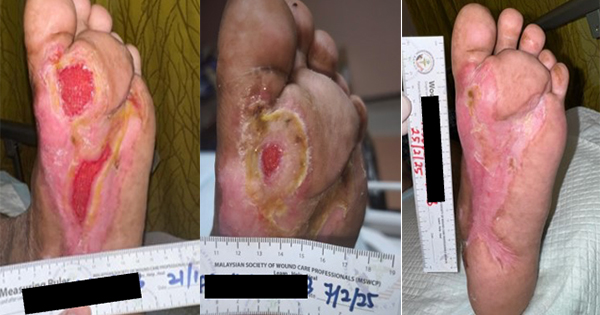
Diabetic Foot Stages: How Does a Diabetic Foot Ulcer Progress?
[cmsmasters_row data_shortcode_id=”pvvc721kwm” data_padding_bottom_mobile_v=”0″ data_padding_top_mobile_v=”0″ data_padding_bottom_mobile_h=”0″ data_padding_top_mobile_h=”0″ data_padding_bottom_tablet=”0″ data_padding_top_tablet=”0″ data_padding_bottom_laptop=”0″ data_padding_top_laptop=”0″ data_padding_bottom_large=”0″ data_padding_top_large=”0″ data_padding_bottom=”50″ data_padding_top=”0″ data_bg_parallax_ratio=”0.5″ data_bg_size=”cover” data_bg_attachment=”scroll” data_bg_repeat=”no-repeat” data_bg_position=”top center” data_color=”default” data_bot_style=”default” data_top_style=”default” data_padding_right=”3″ data_padding_left=”3″ data_width=”boxed”][cmsmasters_column data_width=”1/1″ data_shortcode_id=”ncyv2ozqqk” data_animation_delay=”0″ data_border_style=”default” data_bg_size=”cover” data_bg_attachment=”scroll” data_bg_repeat=”no-repeat” data_bg_position=”top center”][cmsmasters_text shortcode_id=”6lv1ajsmua” animation_delay=”0″] Diabetic foot ulcer is one of the most serious foot complications associated with diabetes. High blood sugar over time can damage nerves and blood vessels, making it harder to feel injuries and slowing the body’s ability to heal. A small cut, blister, pressure spot, or crack in the skin can therefore become a persistent wound if it is not recognized and treated early....
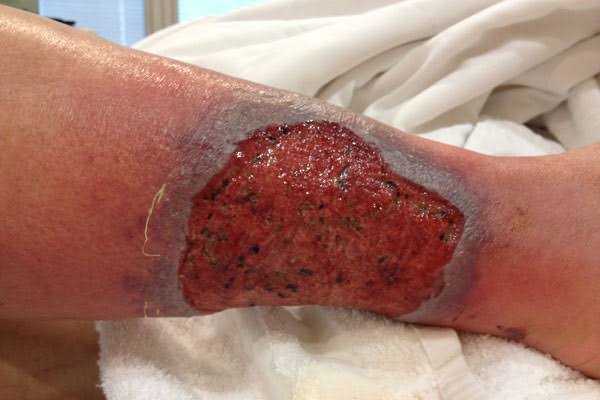
Non-Healing Ulcer? Find Out Why Your Wound Isn’t Healing
[cmsmasters_row data_shortcode_id=”hdajfdoqci” data_padding_bottom_mobile_v=”0″ data_padding_top_mobile_v=”0″ data_padding_bottom_mobile_h=”0″ data_padding_top_mobile_h=”0″ data_padding_bottom_tablet=”0″ data_padding_top_tablet=”0″ data_padding_bottom_laptop=”0″ data_padding_top_laptop=”0″ data_padding_bottom_large=”0″ data_padding_top_large=”0″ data_padding_bottom=”50″ data_padding_top=”0″ data_bg_parallax_ratio=”0.5″ data_bg_size=”cover” data_bg_attachment=”scroll” data_bg_repeat=”no-repeat” data_bg_position=”top center” data_color=”default” data_bot_style=”default” data_top_style=”default” data_padding_right=”3″ data_padding_left=”3″ data_width=”boxed”][cmsmasters_column data_width=”1/1″ data_shortcode_id=”y39rhf0s2″ data_animation_delay=”0″ data_border_style=”default” data_bg_size=”cover” data_bg_attachment=”scroll” data_bg_repeat=”no-repeat” data_bg_position=”top center”][cmsmasters_text shortcode_id=”jhzu9xju1r” animation_delay=”0″] Non-Healing Ulcer is a wound or open sore that does not heal normally or continues to remain open despite regular wound care. If your wound is not getting smaller, keeps reopening, or shows signs of infection, it may be a sign of an underlying problem that needs proper medical attention. A wound can fail to heal for several reasons, including diabetes, poor blood...
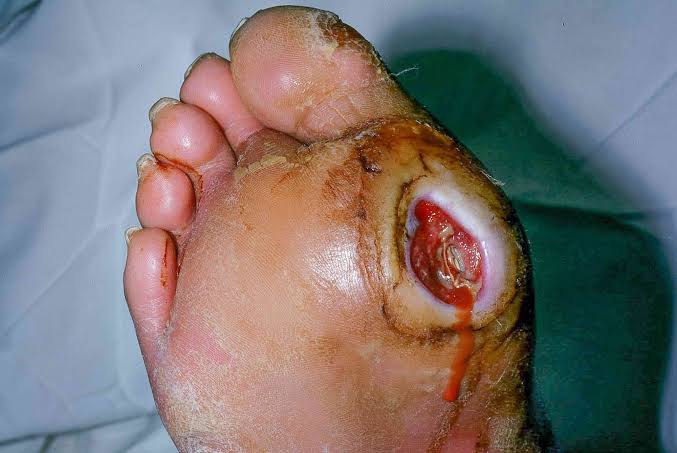
Diabetic Foot Ulcer Treatment: Causes, Treatment & Wound Care
[cmsmasters_row data_shortcode_id=”v3n0r1an6j” data_padding_bottom_mobile_v=”0″ data_padding_top_mobile_v=”0″ data_padding_bottom_mobile_h=”0″ data_padding_top_mobile_h=”0″ data_padding_bottom_tablet=”0″ data_padding_top_tablet=”0″ data_padding_bottom_laptop=”0″ data_padding_top_laptop=”0″ data_padding_bottom_large=”0″ data_padding_top_large=”0″ data_padding_bottom=”50″ data_padding_top=”0″ data_bg_parallax_ratio=”0.5″ data_bg_size=”cover” data_bg_attachment=”scroll” data_bg_repeat=”no-repeat” data_bg_position=”top center” data_color=”default” data_bot_style=”default” data_top_style=”default” data_padding_right=”3″ data_padding_left=”3″ data_width=”boxed”][cmsmasters_column data_width=”1/1″ data_shortcode_id=”r1kms89sed” data_animation_delay=”0″ data_border_style=”default” data_bg_size=”cover” data_bg_attachment=”scroll” data_bg_repeat=”no-repeat” data_bg_position=”top center”][cmsmasters_text shortcode_id=”lp7lhnxd5f” animation_delay=”0″] Diabetic foot ulcer is an open sore or wound that develops on the foot of a person with diabetes. It can begin with something as minor as a blister, cut, pressure spot, or small injury. However, diabetes can affect nerve sensation and blood circulation, making these wounds harder to notice and slower to heal. Without appropriate treatment, a diabetic foot ulcer can become...
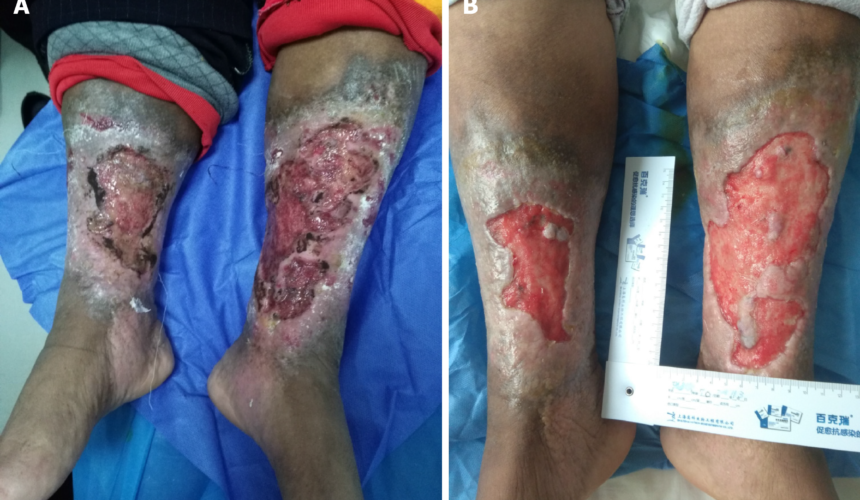
Difference Between Arterial and Venous Ulcer: Causes, Symptoms, Diagnosis & Treatment
[cmsmasters_row][cmsmasters_column data_width=”1/1″][cmsmasters_text] A leg ulcer is a wound that does not heal normally and remains open for an extended period, often for more than two weeks. While different types of leg ulcers can look similar at first, arterial and venous ulcers have very different causes and require different approaches to treatment. Understanding the difference between arterial and venous ulcer is important because treating the wrong type of ulcer incorrectly can delay healing and, in some situations, cause serious complications. Venous ulcers are generally associated with problems returning blood from the legs back toward the heart. Arterial ulcers, on the other...