September 21, 2026September 21, 2026
Venous Leg Ulcers
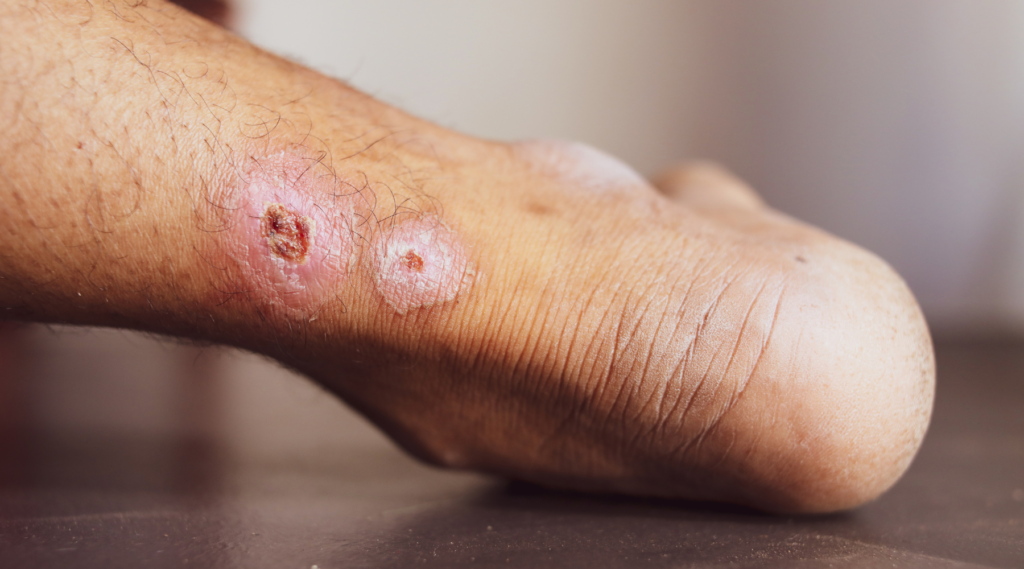
Venous Leg Ulcers: Complete Wound Guide for Causes, Care & Long-Term Healing
Venous leg ulcers are one of the most common types of chronic wounds, especially among older adults and people with circulation problems. These ulcers develop when veins in the legs struggle to send blood back to the heart, causing pressure buildup and skin breakdown. Without proper care, venous leg ulcers can become painful, slow-healing wounds that significantly affect quality of life.
This detailed Wound Guide explains everything you need to know about venous leg ulcers including causes, symptoms, treatment methods, prevention strategies, and daily care tips to help improve healing outcomes.
What Are Venous Leg Ulcers?
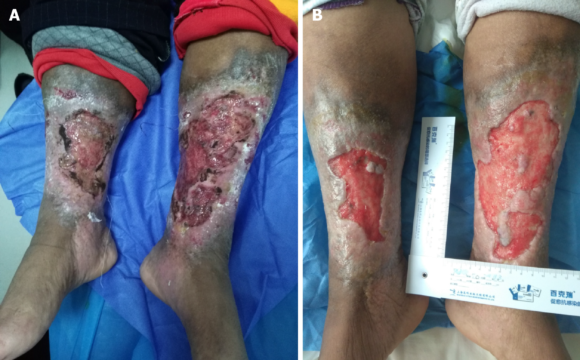
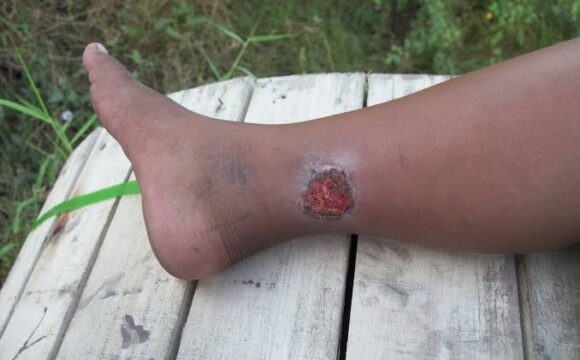
Venous leg ulcers are open sores that usually form on the lower leg, often near the ankle. They occur because of chronic venous insufficiency, a condition where damaged valves in the veins prevent blood from flowing efficiently.
When blood pools in the lower legs, it increases pressure inside the veins. Over time, this pressure weakens the skin, leading to swelling, discoloration, and eventually an ulcer.
These wounds can last for weeks or months if not managed with a proper wound guide and medical support.
Why Do Venous Leg Ulcers Develop?
Understanding the root cause helps prevent recurrence. Several factors contribute to the development of venous leg ulcers:
1. Poor Venous Circulation
Damaged vein valves cause blood to pool in the legs, increasing pressure and damaging tissues.
2. Long Periods of Standing or Sitting
Limited movement slows blood flow and increases swelling.
3. Previous Leg Injuries or Blood Clots
Conditions like deep vein thrombosis may weaken the veins permanently.
4. Obesity
Extra weight puts pressure on the veins and reduces circulation.
5. Aging
Vein elasticity decreases with age, increasing the risk of ulcers.
A structured Wound Guide focuses on improving circulation and protecting the skin to prevent further damage.
Signs and Symptoms of Venous Leg Ulcers
Early recognition is extremely important. Common symptoms include:
- Swelling in the lower legs
- Aching or heavy feeling in the legs
- Darkened or hardened skin around the ankle
- Itching or irritation
- Shallow open sores with irregular edges
- Fluid drainage or crust formation
Ignoring early symptoms may allow the wound to worsen and become infected.
Risk Factors You Should Know
Certain conditions increase the chances of developing venous leg ulcers:
- Varicose veins
- Diabetes
- Smoking
- Limited physical activity
- High blood pressure
- History of leg surgery
Following a professional wound guide can help manage these risks and reduce recurrence.
Diagnosis and Clinical Assessment
Healthcare professionals use different methods to confirm venous leg ulcers and rule out other types of wounds.
Typical assessments include:
- Physical examination of the ulcer
- Doppler ultrasound to evaluate blood flow
- Measuring wound size and depth
- Checking for infection or inflammation
Proper diagnosis ensures the treatment plan targets the underlying circulation problem.
Treatment Options for Venous Leg Ulcers
Healing venous leg ulcers requires a combination of medical treatment and lifestyle changes.
1. Compression Therapy
Compression bandages or stockings improve blood flow and reduce swelling. This is one of the most effective treatments.
2. Wound Cleaning and Debridement
Removing dead tissue promotes healthy skin growth.
3. Advanced Wound Dressings
Special dressings maintain moisture balance and protect against infection.
4. Medication
Doctors may prescribe pain relief, anti-inflammatory drugs, or antibiotics if infection is present.
5. Surgical Procedures
In severe cases, vein surgery or skin grafting may be recommended.
A personalized Wound Guide ensures consistent care and monitoring throughout treatment.
Advanced Therapies Supporting Faster Healing
Modern wound care technologies have improved outcomes for chronic venous ulcers:
- Negative pressure wound therapy
- Bioengineered skin substitutes
- Growth factor treatments
- Hyperbaric oxygen therapy
These options are often considered when traditional treatments alone are not enough.
Daily Care Tips: Practical Wound Guide for Patients
Managing venous leg ulcers at home requires commitment and proper hygiene. Follow these essential steps:
- Elevate legs above heart level when resting
- Wear compression stockings as advised
- Clean the wound gently during dressing changes
- Stay physically active to improve circulation
- Avoid standing or sitting for long periods
- Keep skin moisturized but avoid excess moisture around the ulcer
Small daily habits make a big difference in healing progress.
Role of Nutrition in Healing Venous Leg Ulcers
Nutrition plays a major role in tissue repair and inflammation control.
Key nutrients include:
- Protein: Helps rebuild damaged skin
- Vitamin C: Supports collagen formation
- Zinc: Strengthens immune response
- Omega-3 fatty acids: Reduce inflammation
A balanced diet is a crucial part of any effective Wound Guide for chronic wound care.
Prevention Tips to Avoid Recurrence
Even after healing, venous leg ulcers may return if preventive measures are ignored.
Here are essential prevention strategies:
- Maintain a healthy weight
- Exercise regularly, especially walking
- Avoid tight clothing that restricts circulation
- Elevate legs several times a day
- Follow long-term compression therapy if recommended
Preventive care is one of the strongest tools in managing venous leg ulcers long term.
Emotional and Lifestyle Impact
Living with venous leg ulcers can affect daily life, causing discomfort, limited mobility, and emotional stress. Education and awareness help patients feel more in control of their healing journey.
Resources like Wound Guide provide valuable knowledge, empowering individuals to make informed decisions and follow effective care routines.
When Should You Seek Medical Attention?
Consult a healthcare professional immediately if:
- The ulcer becomes larger or deeper
- Pain increases suddenly
- There is foul-smelling discharge
- Fever or severe swelling develops
- The surrounding skin turns dark or hard
Early treatment prevents serious complications and speeds recovery.
Future of Venous Leg Ulcer Treatment
Advances in medical technology are transforming chronic wound care. Smart dressings, digital wound monitoring, and regenerative therapies are improving healing success rates. Educational platforms such as Wound Guide continue to play a key role in spreading awareness and promoting better wound management practices.
Conclusion: Your Complete Wound Guide for Venous Leg Ulcers
Venous leg ulcers may be challenging, but with the right knowledge and care plan, healing is possible. Understanding the causes, recognizing early symptoms, and following a structured Wound Guide can greatly improve outcomes.
Consistent compression therapy, proper wound care, healthy nutrition, and lifestyle changes are essential for long-term recovery. With support from trusted resources like Wound Guide, patients can manage venous leg ulcers effectively and move toward healthier, pain-free living.