
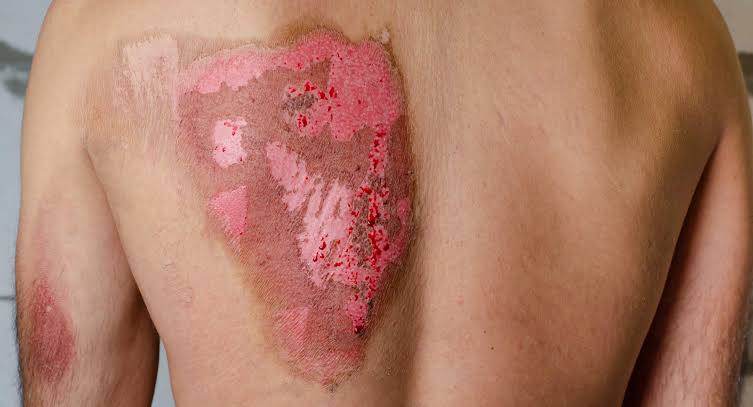
Scald Burns are common thermal injuries caused by hot liquids or steam. They can happen within seconds while cooking, making tea or coffee, bathing, using a pressure cooker, or handling hot water. Although some scald burns are superficial and heal without major complications, others can damage deeper layers of skin and require professional medical treatment.
Children, older adults, and people with reduced mobility may be particularly vulnerable because their skin can be more susceptible to injury or they may have difficulty moving away from a heat source quickly.
The severity of a scald burn depends on several factors, including the temperature of the liquid, duration of contact, amount of skin exposed, location of the injury, burn depth, and the person’s age and overall health.
Knowing what to do immediately after a scald can make an important difference. Appropriate cooling, protecting the injured skin, avoiding harmful home remedies, and knowing when to seek medical care are key parts of burn management.
This guide explains Scald Burns causes, symptoms, first aid, treatment, healing time, complications, and prevention in clear and practical language.
What Are Scald Burns?
A scald burn is a thermal injury caused by contact with hot liquid or steam.
Scalds differ from burns caused by dry heat, such as flames or hot metal, although the basic first-aid principles for thermal burns are similar.
Common sources include:
- Boiling water
- Hot tea and coffee
- Soup and sauces
- Hot bath water
- Steam
- Kettles
- Pressure cookers
- Hot beverages
- Spilled cooking liquids
Hot liquid can spread rapidly across the skin and may soak through clothing, potentially increasing the area and duration of heat exposure.
A scald may affect only the outer layer of skin or extend into deeper tissues depending on the circumstances.
What Causes Scald Burns?
Many scald injuries occur during ordinary activities at home.
Hot Drinks
Tea, coffee and other hot beverages can cause significant scald injuries when spilled.
Young children are particularly vulnerable because they may pull cups or containers of hot liquid toward themselves.
Boiling Water
Boiling water used for cooking, kettles or other household purposes can cause rapid thermal injury.
Hot Food
Soup, sauces and other hot foods can retain heat and remain in contact with the skin after being spilled.
Steam
Steam escaping from kettles, pressure cookers or other appliances can cause burns.
Hot Bath or Shower Water
Water that is excessively hot can injure the skin, particularly in babies, young children, older adults and people with reduced sensation.
Cooking Accidents
Spills from pots, pans and cooking containers are another common source of scald injuries.
Why Can Scald Burns Be Serious?
The visible appearance of a burn does not always tell you its full severity immediately after injury.
Burn depth may evolve, and accurate assessment can sometimes be difficult during the early period.
Scald burns can potentially cause:
- Significant pain
- Blistering
- Skin loss
- Swelling
- Fluid loss in extensive burns
- Infection
- Delayed wound healing
- Pigmentation changes
- Scarring
- Joint stiffness
- Contractures in deeper burns
Burns affecting functionally or cosmetically important areas, such as the hands, face, feet, genital area or major joints, deserve particular attention.
Large or deep burns can become medical emergencies.
Understanding Scald Burn Depth
Burns have traditionally been described as first-, second-, and third-degree burns. Modern clinical terminology often describes burns according to their depth, such as superficial, partial-thickness, and full-thickness burns.
1. Superficial Scald Burn
A superficial burn affects the epidermis, which is the outermost layer of skin.
Common features include:
- Red skin
- Pain
- Tenderness
- Mild swelling
- Dry surface
- No significant blistering
A minor superficial burn often heals relatively quickly without permanent scarring.
2. Superficial Partial-Thickness Burn
These burns extend beyond the epidermis into part of the dermis.
Possible symptoms include:
- Blisters
- Significant pain
- Red or pink skin
- Moist wound surface
- Swelling
- Sensitivity to touch
Because deeper skin layers are affected, appropriate wound care becomes more important.
3. Deep Partial-Thickness Burn
A deeper partial-thickness burn damages more of the dermis.
The wound may appear:
- Pale
- Mottled
- Red or white
- Less moist than a superficial partial-thickness burn
Sensation may also be reduced in deeper areas.
These burns have a greater risk of delayed healing and scarring and should be professionally assessed.
4. Full-Thickness Burn
A full-thickness burn destroys the epidermis and dermis and may damage deeper tissues.
The skin may appear:
- White
- Waxy
- Brown
- Leathery
- Dry
Surprisingly, some full-thickness burns may be less painful in their deepest areas because nerve endings have been damaged.
Full-thickness burns require urgent professional assessment and may need specialist burn treatment or surgery.
Immediate First Aid for Scald Burns
The first few minutes after a scald injury are important.
Step 1: Stop the Burning Process
Move away from the source of heat immediately.
If hot or wet clothing is holding heat against the skin, remove it carefully when possible.
However, do not pull away clothing or material that is firmly stuck to the burned skin.
Step 2: Remove Jewellery and Restrictive Items
Remove rings, watches, bracelets and other restrictive items near the injured area before swelling develops.
Do not remove anything that has become stuck to the wound.
Step 3: Cool the Scald Burn
Place the affected area under cool running water for about 20 minutes as soon as possible.
Cooling can:
- Remove residual heat
- Reduce pain
- Limit further thermal injury
- Help reduce swelling
Do not use ice or extremely cold water directly on the burn.
With large burns, babies, children and older adults, take care to keep the rest of the body warm while cooling the injured area because excessive cooling can contribute to hypothermia.
Step 4: Cover the Burn
After appropriate cooling, loosely protect the burn with a clean, non-fluffy, non-adherent covering while seeking further advice if needed.
Avoid wrapping anything tightly around a burned limb because swelling may develop.
Step 5: Seek Medical Advice When Needed
Burn depth and severity can be difficult to judge without clinical experience.
If you are uncertain about the severity of a burn, professional assessment is the safest approach.
What NOT to Put on a Scald Burn
Traditional home remedies can sometimes make burn management more difficult.
Avoid putting the following directly onto a fresh burn:
- Ice
- Butter
- Cooking oil
- Toothpaste
- Greasy creams
- Unprescribed ointments
- Powders
- Other household remedies
These products do not replace proper cooling and may interfere with wound assessment or cleaning.
Also, do not deliberately pop burn blisters.
The skin over a blister provides some protection to the underlying wound. Blister management should be determined by an appropriately trained healthcare professional when necessary.
When Does a Scald Burn Need Medical Attention?
Not every minor scald requires hospital treatment, but certain burns need professional evaluation.
Seek prompt medical advice for:
- Deep burns
- Full-thickness burns
- Large burns
- Burns involving the face
- Burns involving the hands or feet
- Burns involving the genital or perineal area
- Burns crossing or involving major joints
- Burns with uncontrolled pain
- Burns that appear deeper over time
- Burns in very young children
- Burns in people with significant underlying health conditions
- Burns showing signs of infection
Specialist burn-center consultation may be recommended for particular burn depths, sizes, locations and patient circumstances.
How Are Scald Burns Assessed?
Healthcare professionals assess more than whether the skin looks red or blistered.
Important factors include:
Burn Depth
Clinicians determine which layers of skin appear to have been damaged.
Burn Size
For more significant burns, healthcare professionals may estimate the percentage of the Total Body Surface Area (TBSA) involved.
Burn Location
Location can significantly affect management.
Burns affecting the:
- Face
- Hands
- Feet
- Genitals
- Perineum
- Major joints
may require specialist assessment because of potential functional or cosmetic complications.
Patient Age
Burns can be particularly concerning in children and older adults.
Medical History
Conditions affecting circulation, sensation, immunity, healing or mobility may influence treatment.
Treatment for Scald Burns
Treatment depends on burn depth, size, location, symptoms and patient characteristics.
Minor superficial injuries may require relatively simple management, while deeper burns may need specialist treatment.
1. Wound Assessment and Cleaning
After initial first aid, the burn may need to be cleaned and assessed.
Healthcare professionals may:
- Examine burn depth
- Assess wound size
- Clean the wound appropriately
- Evaluate blisters
- Check circulation and sensation
- Look for signs of infection
- Decide whether specialist referral is necessary
Treatment should be individualized rather than applying the same product to every burn.
2. Dressings for Scald Burns
Partial-thickness burns may require an appropriate wound dressing.
Depending on the wound, healthcare professionals may use dressings designed to:
- Protect the wound
- Maintain an appropriate moist healing environment
- Manage wound fluid
- Reduce trauma during dressing changes
- Support comfort
- Protect surrounding skin
Examples of dressing categories used in burn care may include:
- Non-adherent dressings
- Foam dressings
- Hydrogels in selected situations
- Absorbent dressings
- Antimicrobial dressings when clinically indicated
There is no single dressing that is automatically the best option for every scald burn.
The appropriate choice depends on burn depth, exudate, location, infection status and the treatment plan.
3. Pain Management
Scald burns can be painful, particularly superficial and partial-thickness injuries where nerve endings remain intact.
Pain management may involve appropriate over-the-counter pain medicines when suitable for the individual.
A doctor or pharmacist can advise on suitable medication, particularly for children, older adults, pregnant patients, or people taking other medicines.
Good wound protection can also reduce unnecessary friction and discomfort.
4. Blister Management
Blisters are common after partial-thickness burns.
Do not intentionally burst them at home.
A healthcare professional may decide whether a blister should remain intact or needs specific management depending on:
- Size
- Location
- Whether it has already ruptured
- Effect on movement
- Ability to assess the underlying burn
If a blister breaks naturally, keep the area protected and seek advice if you are unsure how to manage it.
5. Infection Monitoring
Burns damage the skin barrier, making the injured area potentially more vulnerable to infection.
Watch for concerning changes such as:
- Increasing redness around the burn
- Increasing swelling
- Worsening pain
- Pus or unusual drainage
- Unpleasant odor
- Fever
- Feeling generally unwell
- Deterioration after initial improvement
Not every burn requires antibiotics or an antimicrobial dressing.
These treatments should be used when clinically appropriate rather than routinely applied to every scald injury.
6. Debridement
Deeper burns or wounds containing non-viable tissue may require debridement.
Debridement removes damaged or dead tissue that may interfere with wound assessment or healing.
This should be performed or directed by an appropriately trained healthcare professional.
7. Skin Grafting
Some deep partial-thickness and full-thickness burns may not heal adequately without surgery.
A skin graft involves placing healthy skin over the damaged area to help close the wound.
Whether grafting is necessary depends on:
- Burn depth
- Burn size
- Location
- Healing progress
- Functional considerations
This decision is generally made by specialist burn or plastic surgery teams.
8. Rehabilitation and Physical Therapy
Burns around joints may cause stiffness as they heal.
Deeper injuries can also result in scar contraction that limits movement.
Rehabilitation may include:
- Range-of-motion exercises
- Physiotherapy
- Occupational therapy
- Scar management
- Splinting in selected cases
Early specialist rehabilitation can be important after more serious burns.
How Long Do Scald Burns Take to Heal?
Healing time depends primarily on burn depth and complications.
Superficial Burns
These often heal relatively quickly, frequently within approximately a week or so.
Superficial Partial-Thickness Burns
These may heal within roughly two to three weeks when healing progresses normally.
Deep Partial-Thickness Burns
Healing may take longer and the risk of noticeable scarring increases.
Full-Thickness Burns
These burns generally require specialist treatment and may need surgical intervention such as skin grafting.
Rather than relying only on a fixed number of days, monitor how the wound is progressing.
A burn that is failing to heal as expected should be reassessed.
Scarring After Scald Burns
The likelihood of scarring generally increases with burn depth and prolonged healing.
Superficial burns are less likely to leave significant permanent scars.
Deeper burns can result in:
- Raised scars
- Changes in skin color
- Tightness
- Itching
- Sensitivity
- Reduced movement
After the wound has fully healed, a healthcare professional may recommend scar-management strategies depending on the injury.
These might include moisturising, massage, silicone products, pressure therapy or rehabilitation in selected patients.
Do not apply scar products to an open burn unless specifically advised.
Sun Protection After a Scald Burn
Newly healed skin can be particularly sensitive to sunlight and may develop pigmentation changes.
Once the skin has fully closed, protecting the area from excessive sun exposure can be important.
Appropriate clothing, shade and suitable sunscreen can help protect healed skin.
Ask your healthcare professional for advice if the burn has resulted in significant pigmentation changes or scarring.
Scald Burns in Children
Young children are particularly vulnerable to scald injuries.
Common accidents include:
- Pulling hot drinks from tables
- Reaching for pan handles
- Spilling hot food
- Contact with hot bath water
- Pulling kettle cords
- Contact with steam
A relatively small volume of hot liquid can affect a substantial proportion of a small child’s body.
Burns in babies and young children should therefore be taken seriously and professionally assessed when appropriate.
Scald Burns in Older Adults
Older adults can also face increased risk because of factors such as:
- Reduced mobility
- Slower reaction time
- Reduced sensation
- Fragile skin
- Medical conditions affecting healing
Extra care may be required around baths, showers, kettles, cooking appliances and hot drinks.
How to Prevent Scald Burns at Home
Many scald injuries can be prevented.
Kitchen Safety
- Turn saucepan handles away from the edge of the stove.
- Keep children away from active cooking areas.
- Be cautious when opening pressure cookers and steam-producing appliances.
- Do not leave hot liquids near the edge of counters or tables.
- Keep appliance cords out of children’s reach.
Hot Drink Safety
Keep hot drinks away from children and avoid placing them on low surfaces or near table edges.
Take particular care when carrying hot beverages around children.
Bath and Shower Safety
Check the water temperature before bathing a baby, child, older adult, or anyone with reduced sensation.
Mix and test bath water carefully before entering.
Steam Safety
Open lids and containers carefully so that escaping steam moves away from your face and hands.
Follow manufacturer instructions when using pressure cookers, steamers and similar appliances.
Emotional Recovery After a Serious Scald Burn
A severe burn can affect more than the skin.
Some people may experience:
- Anxiety
- Fear of another accident
- Distress during dressing changes
- Sleep problems
- Concerns about scars
- Reduced confidence
- Body-image concerns
Children may also become fearful of bathing, kitchens, hot water or medical procedures after a painful burn.
Support from family, healthcare professionals and rehabilitation teams can be an important part of recovery after significant injuries.
When to Seek Ongoing Wound Care Support
A burn should be reassessed if:
- Healing appears to have stopped
- The wound becomes deeper
- Pain is worsening
- Redness is spreading
- There is increasing drainage
- Infection is suspected
- The wound repeatedly breaks down
- Scarring begins restricting movement
- The burn is not healing within the expected timeframe
Persistent or complicated burns may benefit from assessment by a wound-care professional, burn specialist, plastic surgeon, physiotherapist, or another appropriate healthcare professional.
Final Thoughts
Scald Burns are common injuries, but their severity can range from minor superficial redness to deep tissue damage requiring specialist treatment.
The most important immediate response is to stop the burning process and cool the injured area promptly with cool running water. Avoid ice, butter, toothpaste and other home remedies, and do not intentionally burst blisters.
After first aid, appropriate treatment depends on burn depth, size, location and the patient’s overall condition. Minor superficial burns may heal with relatively simple care, while deeper burns can require specialist dressings, debridement, rehabilitation or surgery.
Prevention is equally important. Keeping hot drinks away from children, using cooking appliances carefully, testing bath water and handling steam safely can prevent many scald injuries.
Most importantly, do not underestimate a burn simply because it initially appears small. If a scald burn is deep, worsening, unusually painful, located on a high-risk area, or failing to heal normally, seek professional medical assessment.
Medical Disclaimer: This article is for educational and informational purposes only. It is not a substitute for professional medical diagnosis, emergency care, or treatment. Seek advice from a qualified healthcare professional for the assessment and management of a burn injury.
Leave a Reply