
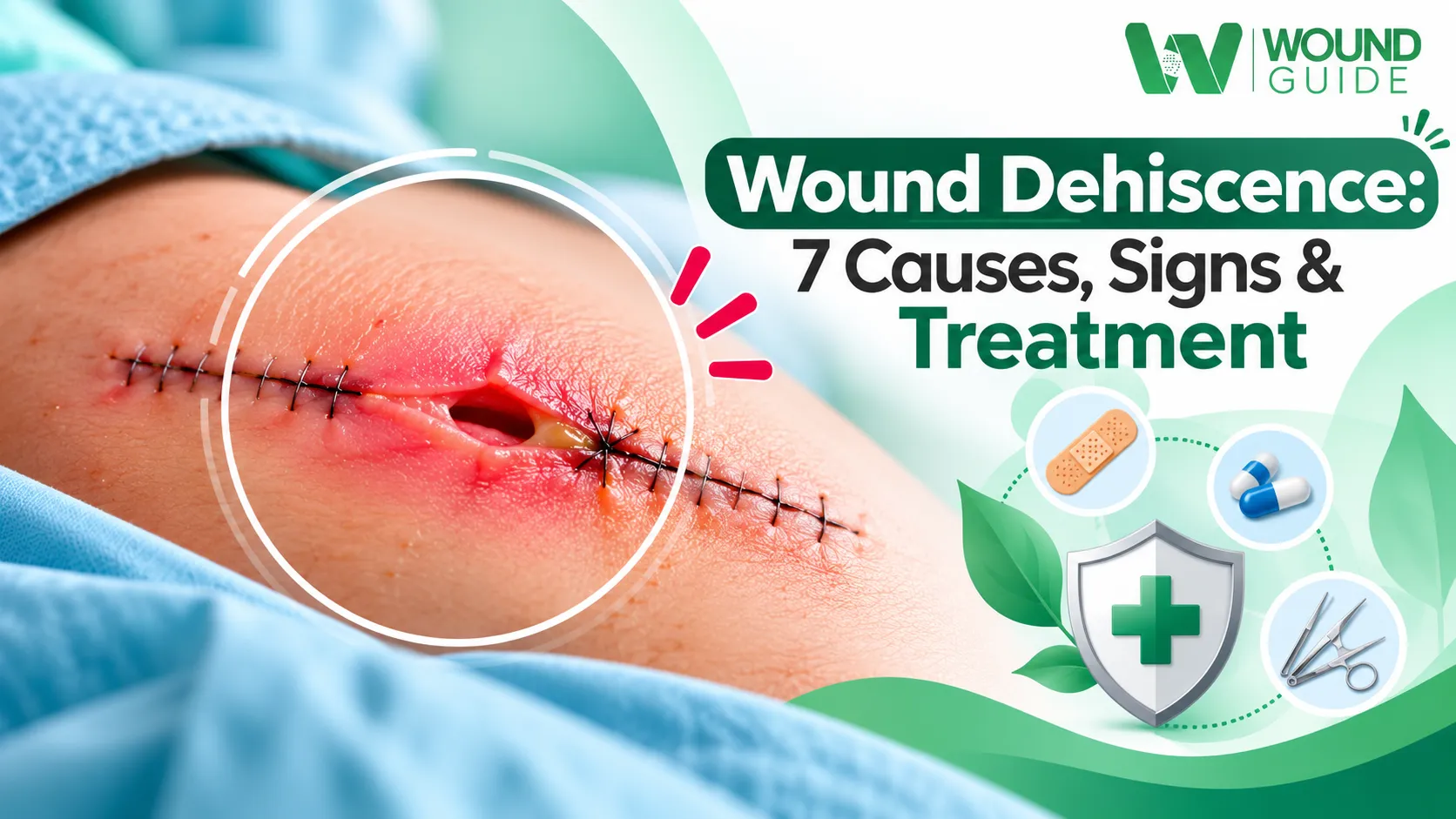
Wound dehiscence is a complication in which a surgical incision partially or completely separates after surgery. It can happen when the tissues have not healed sufficiently to keep the wound edges together. The opening may be small and limited to the skin, or it may extend into deeper tissues and require urgent medical treatment. After surgery, the body needs time to repair damaged tissue. Infection, excessive strain on the incision, certain medical conditions, and nutritional problems can interfere with this process. Following a proper daily wound care routine can help patients protect the surgical site and recognise changes that may need medical attention.
Understanding wound dehiscence is particularly important for patients recovering at home, caregivers, and people with diabetes or other conditions that may slow healing.
This guide explains the causes, symptoms, risk factors, diagnosis, treatment options, and prevention strategies for surgical wound separation.
What Is Wound Dehiscence?
Wound dehiscence occurs when the edges of a previously closed surgical incision separate during the healing process. Healthcare professionals may also call this wound separation or surgical wound disruption.
Following surgery, doctors may close an incision using stitches, staples, surgical glue, or adhesive strips. These methods hold the tissues together while the body produces new tissue and gradually strengthens the wound.
If healing is disrupted or the incision experiences excessive tension, the wound edges may pull apart.
There are two general forms of wound dehiscence.
1. Partial Wound Dehiscence
Partial separation occurs when only part of the incision opens. The gap may involve the outer skin layers or extend into deeper tissue. Even a small opening needs medical assessment because its depth and cause may not be obvious from the surface.
2. Complete Wound Dehiscence
Complete separation occurs when a larger portion of the incision opens. In severe cases, the deeper layers of the abdominal wall may separate, potentially allowing internal organs to protrude. This is a medical emergency.
The seriousness depends on the wound’s location, depth, size, the presence of infection, and the patient’s overall health.
7 Common Causes of Wound Dehiscence
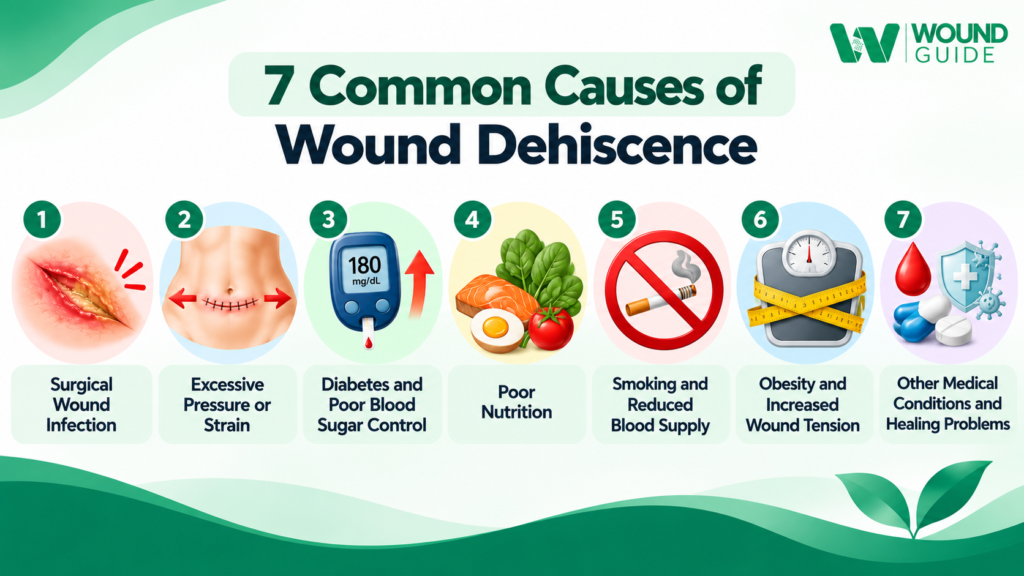
Several factors can prevent a surgical incision from healing properly. Sometimes, more than one factor contributes to the problem.
1. Surgical Wound Infection
An infection is an important cause of delayed healing and incision separation. Bacteria can enter the surgical site and trigger inflammation, tissue damage, and discharge. In some cases, infected tissue becomes too weak to keep the wound edges together.
Possible warning signs include increasing redness, warmth, swelling, worsening pain, thick or cloudy discharge, an unpleasant smell, and fever.
Not every reopened incision is infected, but infection should be assessed by a healthcare professional. Avoid using leftover antibiotics or applying unapproved products to the incision.
2. Excessive Pressure or Strain
An incision needs protection while healing. Heavy lifting, strenuous exercise, sudden twisting, or movements that stretch the surgical area can place additional tension on the wound.
Severe coughing, repeated vomiting, or straining may also increase pressure on certain incisions, particularly abdominal wounds.
Follow your surgeon’s instructions about lifting, exercise, driving, and returning to work. Restrictions vary according to the procedure and your recovery.
3. Diabetes and Poor Blood Sugar Control
Diabetes can affect circulation, immune function, and the body’s ability to repair damaged tissue. High blood glucose levels may increase the risk of infection and delayed wound healing.
People with diabetes should follow their treatment plan, monitor blood glucose as advised, and attend scheduled postoperative appointments. Contact a healthcare professional if the incision becomes more painful, swollen, discoloured, or starts draining fluid.
4. Poor Nutrition
The body requires sufficient calories, protein, vitamins, minerals, and fluids to support tissue repair. Inadequate food intake or nutritional deficiencies may interfere with recovery.
Protein-rich foods, vegetables, fruits, whole grains, and other balanced meals can support general healing needs. Patients who have difficulty eating after surgery or have significant dietary restrictions should ask their healthcare team whether nutritional support is appropriate.
5. Smoking and Reduced Blood Supply
Healing tissue needs oxygen and nutrients delivered through the blood. Smoking can reduce oxygen delivery and is associated with poorer surgical wound healing.
Conditions that impair circulation may also slow tissue repair. Your healthcare provider can advise you about smoking cessation support and whether an underlying circulation problem needs attention.
6. Obesity and Increased Wound Tension
Excess body weight may place additional tension on certain surgical incisions. It can also be associated with other factors that affect healing, including diabetes and wound complications.
This does not mean that every person with obesity will experience wound separation. Individual risk depends on the procedure, incision location, overall health, and postoperative care.
7. Other Medical Conditions and Healing Problems
Some conditions can reduce the body’s ability to repair tissue. Examples include anaemia, poor nutritional status, and certain illnesses that affect oxygen delivery or immune function.
Some medications and medical treatments may also influence healing. Do not stop prescribed medicines independently. Discuss your medication list and any healing concerns with your surgeon.
Symptoms and Warning Signs of Wound Dehiscence
Symptoms can vary from a small gap in the incision to a significant opening involving deeper tissue. Checking the surgical site according to your discharge instructions can help you recognise changes.
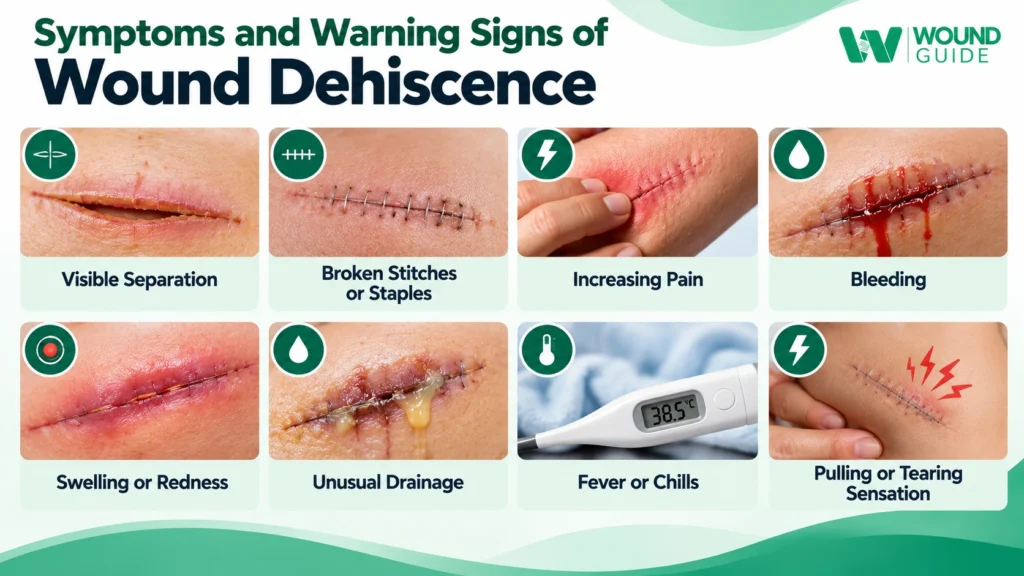
Common warning signs include:
- Visible separation: The edges of the incision no longer meet, or a gap develops along the surgical line.
- Broken stitches or staples: A closure device appears loose, broken, or displaced.
- Increasing pain: Pain becomes worse instead of gradually improving.
- Bleeding: Fresh blood appears at the incision or the wound begins bleeding unexpectedly.
- Swelling or redness: The skin around the wound becomes increasingly swollen, warm, or discoloured.
- Unusual drainage: Fluid, pus, or a new discharge appears from the incision.
- Fever or chills: These may indicate infection or another complication.
- A pulling or tearing sensation: Some patients notice a sudden sensation around the surgical area.
Some mild discomfort and limited bruising may be expected after certain operations. However, a new opening, worsening symptoms, or unexpected drainage should not be dismissed as normal healing.
To understand what different types of wound discharge may indicate, read our guide to wound drainage colours and types. Remember that fluid colour alone cannot confirm whether a wound is infected.
Seek emergency care immediately if internal organs or deep tissues protrude through the incision, the wound opens widely, severe bleeding occurs, or you become seriously unwell.
Who Is at Higher Risk?
Wound separation can affect anyone recovering from surgery. However, certain factors may increase the likelihood of complications.
These include:
- Poorly controlled diabetes.
- A surgical site infection.
- Smoking or nicotine exposure.
- Poor nutritional status.
- Conditions affecting blood circulation or oxygen delivery.
- Obesity or increased tension on the incision.
- Procedures involving larger or deeper incisions.
- Repeated strain on the surgical area.
- Certain medications or treatments that affect immunity or tissue repair.
Having one or more risk factors does not mean a wound will necessarily reopen. Your surgeon can assess your individual circumstances and explain which precautions are most important for your recovery.
How Is Wound Dehiscence Diagnosed?
A healthcare professional will examine the incision and assess how far the wound edges have separated. They may ask when the opening appeared, whether it is getting larger, and whether you have noticed pain, fever, bleeding, or discharge.
Depending on the findings, assessment may include the following.
Physical Examination
The clinician checks the wound’s location, size, depth, surrounding skin, drainage, and signs of infection. They may also assess your general condition and relevant medical history.
Wound Fluid Testing
If infection is suspected, a clinician may collect a sample of wound drainage for laboratory testing. This can help identify bacteria and guide treatment when necessary.
Blood Tests or Imaging
Blood tests may be recommended when infection or another complication is suspected. Imaging, such as a CT scan, may be needed in selected cases to assess deeper tissues or internal complications.
Not every patient requires these tests. The appropriate assessment depends on the severity and location of the wound.
For further guidance on protecting a surgical incision, consult the Cleveland Clinic’s incision care guide. Follow the specific instructions provided by your own surgical team, as care requirements can vary by procedure.
Treatment Options for Wound Dehiscence
Treatment depends on how much the incision has opened, whether deeper tissues are involved, and whether infection is present. A clinician will determine the safest approach after examining the wound.
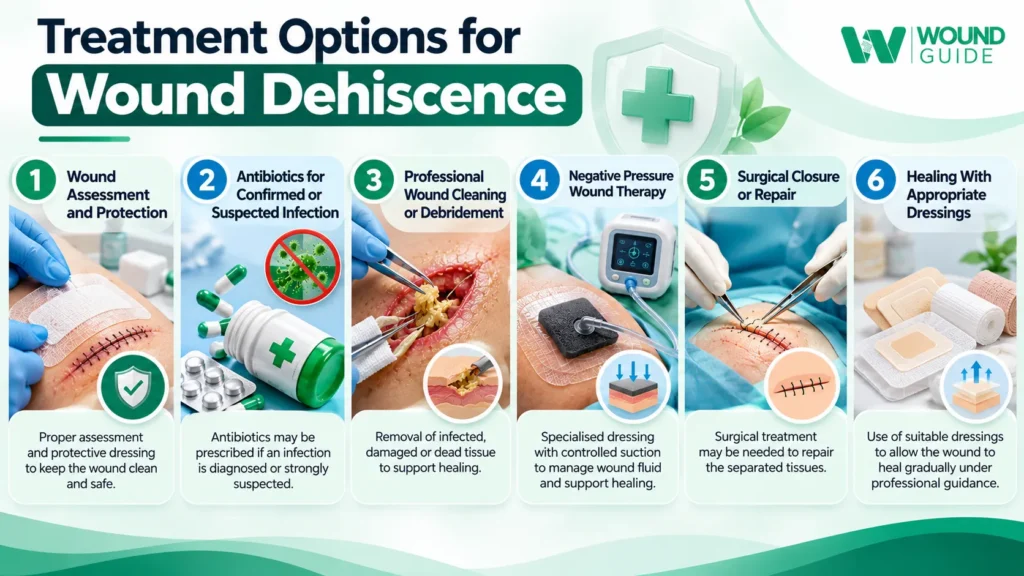
1. Wound Assessment and Protection
The healthcare team may protect the area with an appropriate dressing and provide instructions for keeping it clean. They will explain how often the dressing should be changed and whether follow-up visits are required.
Do not attempt to push wound edges together or close the incision yourself.
2. Antibiotics for Confirmed or Suspected Infection
If a bacterial infection is diagnosed or strongly suspected, a healthcare professional may prescribe antibiotics. The choice of medicine depends on the infection, the patient’s condition, and other clinical factors.
Antibiotics are not automatically required for every reopened incision. They do not replace necessary wound assessment or surgical treatment.
3. Professional Wound Cleaning or Debridement
Some wounds contain infected, damaged, or dead tissue that interferes with healing. A clinician may recommend cleaning or debridement when appropriate.
The method depends on the wound’s depth, location, blood supply, and infection status. Do not cut away tissue or remove stitches at home unless your treating clinician has specifically instructed you to perform a particular aspect of care.
4. Negative Pressure Wound Therapy
Negative pressure wound therapy uses a specialised dressing connected to a controlled suction device. In selected cases, it helps manage wound fluid and supports the wound-care plan.
It is not suitable for every wound and must be selected and monitored by trained healthcare professionals.
5. Surgical Closure or Repair
Some wounds require a procedure to repair the separated tissues. Depending on the circumstances, a surgeon may clean the wound, remove damaged tissue, and close it again or choose another approach to support healing.
If the deeper abdominal layers have separated or internal organs are exposed, emergency surgical treatment may be necessary.
6. Healing With Appropriate Dressings
In selected cases, the healthcare team may decide that a wound should heal gradually rather than be closed immediately. This decision depends on factors such as infection, tissue condition, wound depth, and the patient’s overall health.
The care team will determine the dressing, monitoring schedule, and follow-up needed.
How to Care for a Surgical Wound at Home
Home care is important after surgery, but it should follow the instructions provided by your treating team. If an incision has reopened, seek professional advice before changing your usual wound-care routine.
General precautions include:
- Wash your hands: Clean your hands before and after touching the dressing or surrounding area.
- Follow dressing instructions: Use the dressing type and replacement schedule recommended by your healthcare professional.
- Avoid unnecessary touching: Do not pick at stitches, staples, scabs, adhesive strips, or surgical glue.
- Limit strain: Follow your surgeon’s advice about lifting, exercise, bending, and other activities.
- Monitor for changes: Look for increasing pain, redness, swelling, drainage, bleeding, or fever.
- Attend follow-up appointments: These visits allow the team to assess healing and adjust treatment.
- Avoid unapproved products: Do not apply powders, herbal preparations, strong antiseptics, or other products unless your clinician approves them.
Never attempt to stitch, glue, staple, or tightly tape a reopened surgical wound closed at home. Doing so may trap infection or delay necessary treatment.
Can Wound Dehiscence Be Prevented?
Not every case can be prevented, but appropriate preparation and postoperative care may reduce the risk of complications.
Follow Your Discharge Instructions
Your surgeon’s instructions are specific to your operation. Follow advice about wound cleaning, showering, dressing changes, physical activity, and follow-up appointments.
Manage Existing Health Conditions
If you have diabetes or another condition that affects healing, follow your healthcare professional’s management plan. Ask whether additional monitoring is needed during recovery.
Eat a Balanced Diet
Adequate nutrition supports tissue repair. Aim for a varied diet with sufficient protein and other essential nutrients, taking any medical dietary restrictions into account.
Avoid Smoking
Ask your healthcare team for help stopping smoking before or after surgery. Reducing exposure to tobacco smoke can support better recovery.
Protect the Surgical Site
Avoid activities that your surgeon has restricted. Ask when it is safe to resume lifting, exercise, and physically demanding work.
Report Early Warning Signs
Contact your healthcare team if the incision begins to separate, drainage increases, pain worsens, or you develop symptoms of infection. Early assessment can help identify the cause and determine appropriate treatment.
If a wound remains open, repeatedly reopens, or fails to improve as expected, read our guide to non-healing ulcers to learn about other possible reasons for delayed healing.
When Should You Contact a Doctor?
Contact your surgeon or healthcare provider promptly if:
- Any part of the surgical incision opens.
- Stitches or staples break or come loose.
- Pain, redness, warmth, or swelling increases.
- Pus, unusual fluid, or a new unpleasant smell develops.
- You have fever or chills.
- Bleeding occurs or the wound appears to be getting deeper.
Seek emergency medical care if the wound opens widely, severe bleeding occurs, you feel faint or seriously unwell, or internal organs or deep tissues protrude through the incision.
Do not wait for a routine follow-up appointment if you suspect a serious complication.
Frequently Asked Questions
Wound dehiscence is the partial or complete separation of a surgical incision after it has been closed. It may involve only the skin or extend into deeper tissues.
Healing time varies according to the wound’s depth, size, location, infection status, and the patient’s overall health. Smaller wounds may take several weeks, while complex wounds can require months and additional procedures.
No. Infection is an important cause, but excessive tension, delayed healing, nutritional problems, and other medical factors can also contribute.
Yes. Diabetes, particularly when blood glucose is poorly controlled, can impair healing and increase the risk of infection. People with diabetes should follow their treatment plan and report changes in their surgical wound promptly.
Conclusion
Wound dehiscence is a postoperative complication in which a surgical incision separates before healing is complete. Infection, excessive strain, diabetes, nutritional problems, and other health factors may contribute to the problem.
Recognising changes early, protecting the surgical site, following medical instructions, and attending follow-up appointments can support safer recovery. Treatment may involve dressings, infection management, specialised wound therapy, or surgical repair, depending on the severity.
Need Help With a Reopened Surgical Wound?
A surgical wound that reopens should never be ignored. Early medical assessment can help identify complications and determine the appropriate treatment. If you notice wound separation, increasing pain, redness, swelling, or unusual drainage, contact your surgeon or a qualified healthcare professional promptly.
Get informed. Take the right steps toward safer wound healing with WoundGuide.
Visit WoundGuide.org for more wound care information.
Leave a Reply