
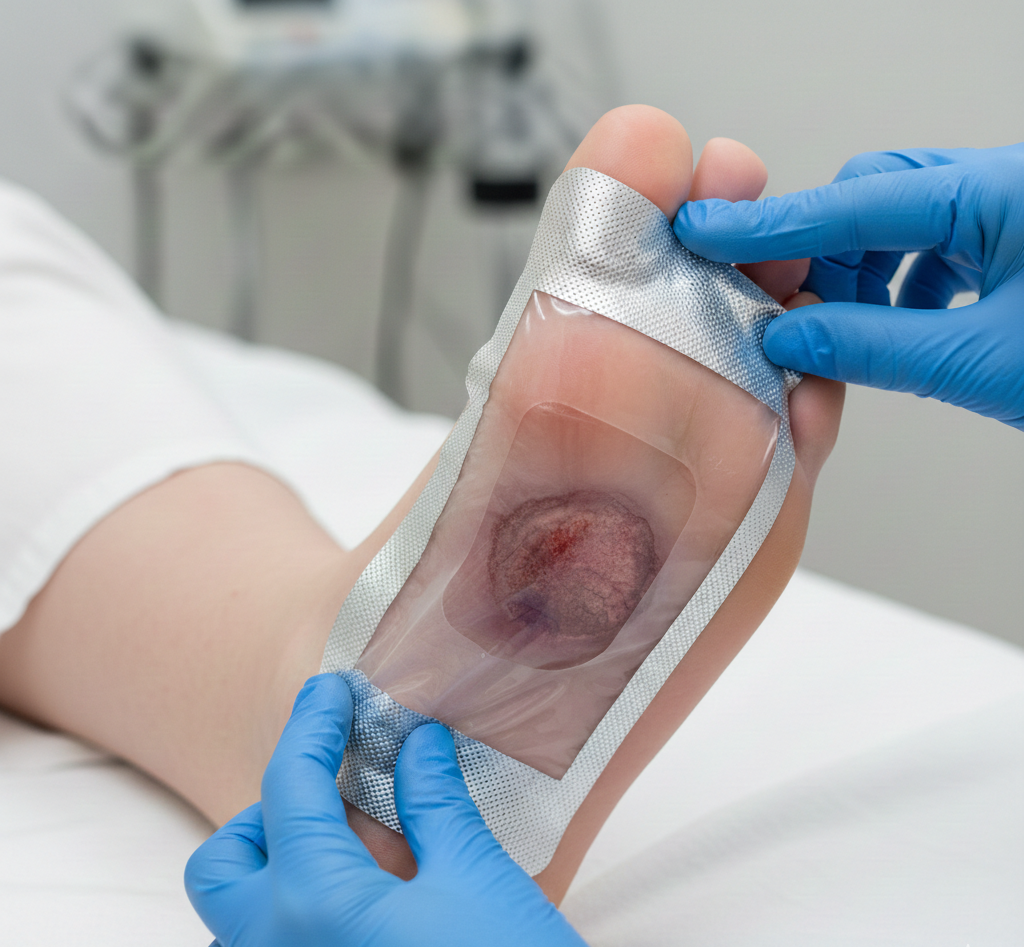
Diabetes affects millions of people across India, and one of its most serious complications is slow-healing wounds. A small cut, blister, or scrape that would normally heal within days can develop into a chronic wound if blood sugar levels remain uncontrolled. Without proper diabetic wound dressing, these wounds may become infected, leading to severe complications, hospitalization, or even amputation.
According to the International Diabetes Federation (IDF), India is among the countries with the highest number of people living with diabetes. Every year, thousands of patients develop diabetic foot ulcers because of poor circulation, nerve damage (neuropathy), and delayed wound healing.
The good news is that most diabetic wounds can heal successfully when treated early with the right dressing techniques, proper wound care, blood sugar management, and regular medical supervision.
This comprehensive guide explains everything you need to know about diabetic wound dressing, including different dressing types, dressing procedures, healing stages, common mistakes, warning signs of infection, home care tips, and when to seek professional help.
Why Do Diabetic Wounds Heal Slowly?
Understanding why diabetic wounds heal slowly helps patients appreciate the importance of proper dressing.
Several factors contribute to delayed healing:
High Blood Sugar
Excess glucose damages blood vessels and reduces the body’s ability to repair tissues.
Poor Blood Circulation
Reduced blood flow means oxygen and nutrients cannot reach the wound effectively.
Nerve Damage
Many diabetic patients lose sensation in their feet, making it difficult to notice cuts or injuries.
Weak Immune System
Diabetes reduces the body’s ability to fight infection.
Increased Risk of Infection
High blood sugar creates an environment where bacteria grow more easily.
Because of these reasons, even a tiny wound can become dangerous without proper diabetic wound dressing.
What Is Diabetic Wound Dressing?
Diabetic wound dressing refers to the medical process of cleaning, protecting, and covering diabetic wounds using specialized dressings that promote healing while preventing infection.
Unlike ordinary bandages, diabetic wound dressings are designed to:
- Maintain the ideal moisture level
- Absorb excess wound fluid
- Prevent bacterial contamination
- Reduce pain
- Support new tissue formation
- Speed up wound healing
Modern wound dressings are selected based on the wound’s size, depth, moisture level, and infection status.
Common Types of Diabetic Wounds
People with diabetes may develop different types of wounds, including:
Diabetic Foot Ulcers
The most common diabetic wound occurring on the sole, heel, or toes.
Pressure Injuries
Develop due to prolonged pressure in patients with limited mobility.
Surgical Wounds
Healing after surgery can take longer in diabetic patients.
Burns
Minor burns may worsen rapidly due to delayed healing.
Cuts and Lacerations
Even small injuries need immediate attention.
Signs That a Diabetic Wound Needs Immediate Care
Never ignore these warning signs:
- Increasing redness
- Swelling
- Warm skin around the wound
- Foul smell
- Yellow or green discharge
- Fever
- Increasing pain
- Black skin around the wound
- Delayed healing beyond two weeks
These signs often indicate infection and require prompt medical attention.
Step-by-Step Diabetic Wound Dressing Procedure
Proper wound dressing significantly improves healing outcomes.
Step 1: Wash Your Hands
Always wash your hands thoroughly using soap and clean water before touching the wound.
Healthcare providers also wear sterile gloves.
Step 2: Remove the Old Dressing Carefully
Gently remove the old dressing without pulling new skin.
If it sticks, moisten it with sterile saline.
Step 3: Inspect the Wound
Look for:
- Redness
- Swelling
- Odor
- Bleeding
- Increased drainage
- Dead tissue
Document any changes.
Step 4: Clean the Wound
Use:
- Sterile saline
- Prescribed wound cleanser
Avoid:
- Hydrogen peroxide
- Alcohol
- Strong antiseptics unless advised by your doctor
These can damage healthy tissue.
Step 5: Dry the Surrounding Skin
Pat the surrounding skin gently with sterile gauze.
Never rub.
Step 6: Apply the Appropriate Dressing
The dressing depends on the wound type.
Examples include:
- Foam dressing
- Hydrogel dressing
- Alginate dressing
- Hydrocolloid dressing
- Antimicrobial dressing
- Silver dressing
Step 7: Secure the Dressing
Use:
- Medical tape
- Bandage
- Compression wrap (if prescribed)
Ensure the dressing is secure but not too tight.
Step 8: Dispose of Used Materials Safely
Discard old dressings in a sealed bag.
Wash hands again.
Types of Diabetic Wound Dressings
Foam Dressings
Best for wounds with moderate to heavy drainage.
Benefits:
- Excellent absorption
- Comfortable
- Reduces pressure
Hydrogel Dressings
Suitable for dry wounds.
Benefits:
- Hydrates tissue
- Reduces pain
- Promotes cell growth
Alginate Dressings
Made from seaweed.
Best for:
- Heavy drainage
- Bleeding wounds
Benefits:
- High absorption
- Easy removal
Hydrocolloid Dressings
Ideal for shallow ulcers.
Benefits:
- Maintains moisture
- Encourages faster healing
- Protects from bacteria
Silver Dressings
Contain antimicrobial silver.
Used when infection risk is high.
Benefits:
- Controls bacteria
- Reduces infection
Antimicrobial Dressings
Contain iodine, honey, or PHMB.
These help reduce bacterial growth.
How Often Should Diabetic Wound Dressing Be Changed?
The frequency depends on:
- Wound drainage
- Infection
- Dressing type
- Doctor’s advice
General guidelines:
- Daily for infected wounds
- Every 2–3 days for moderately draining wounds
- Every 3–7 days for advanced dressings
Never change dressings unnecessarily, as this can disturb new tissue.
Essential Tips for Faster Healing
Control Blood Sugar
Stable glucose levels are the most important factor in wound healing.
Follow:
- Medication schedule
- Healthy diet
- Regular monitoring
Eat Protein-Rich Foods
Protein supports tissue repair.
Include:
- Eggs
- Fish
- Chicken
- Paneer
- Lentils
- Soy products
Stay Hydrated
Drink enough water daily unless restricted by your doctor.
Quit Smoking
Smoking reduces blood flow and delays healing.
Inspect Your Feet Daily
Check for:
- Cuts
- Blisters
- Swelling
- Cracks
- Red spots
Use a mirror if needed.
Wear Proper Footwear
Avoid walking barefoot.
Choose:
- Soft diabetic footwear
- Cushioned shoes
- Seamless socks
Common Mistakes to Avoid
Many diabetic patients unknowingly delay healing.
Avoid:
- Walking barefoot
- Ignoring small wounds
- Using home remedies without medical advice
- Applying toothpaste or turmeric directly to open wounds
- Removing scabs forcefully
- Wearing tight shoes
- Delaying doctor visits
- Skipping blood sugar medication
When Should You Visit a Wound Care Specialist?
Seek immediate medical care if:
- The wound is deep.
- Bone is visible.
- There is severe pain.
- Fever develops.
- There is pus discharge.
- The wound turns black.
- Redness spreads rapidly.
- Healing stops after two weeks.
Professional wound care can prevent serious complications.
Can Diabetic Wounds Heal Completely?
Yes.
With:
- Early diagnosis
- Proper diabetic wound dressing
- Blood sugar control
- Good nutrition
- Infection management
- Regular follow-up
Many diabetic wounds heal successfully without surgery.
However, delaying treatment greatly increases the risk of complications.
Advanced Treatments for Diabetic Wounds
In some cases, doctors may recommend advanced therapies, such as:
- Debridement (removal of dead tissue)
- Negative Pressure Wound Therapy (NPWT)
- Skin grafting
- Growth factor therapy
- Hyperbaric oxygen therapy
- Bioengineered skin substitutes
These treatments are generally used for complex or non-healing wounds.
Home Care Tips for Diabetic Patients
To support healing at home:
- Follow the dressing schedule advised by your healthcare provider.
- Keep the wound clean and dry.
- Do not reuse dressings.
- Avoid putting pressure on the affected foot.
- Take prescribed antibiotics completely.
- Monitor blood sugar regularly.
- Eat a balanced diet rich in vitamins C, A, E, and zinc.
- Attend all follow-up appointments.
Conclusion
Proper diabetic wound dressing is one of the most effective ways to prevent infections, promote healing, and reduce the risk of serious complications such as diabetic foot ulcers and amputations. Early attention to even minor wounds, combined with regular dressing changes, blood sugar management, nutritious eating, and guidance from a qualified wound care specialist, can make a significant difference in recovery.
If you notice redness, swelling, unusual discharge, or a wound that is not healing, do not delay treatment. Timely medical care and the right dressing approach can help preserve mobility, improve quality of life, and ensure safer healing for people living with diabetes in India.
Leave a Reply