August 31, 2026August 31, 2026
How to Clean & Care for an Infected Wound at Home
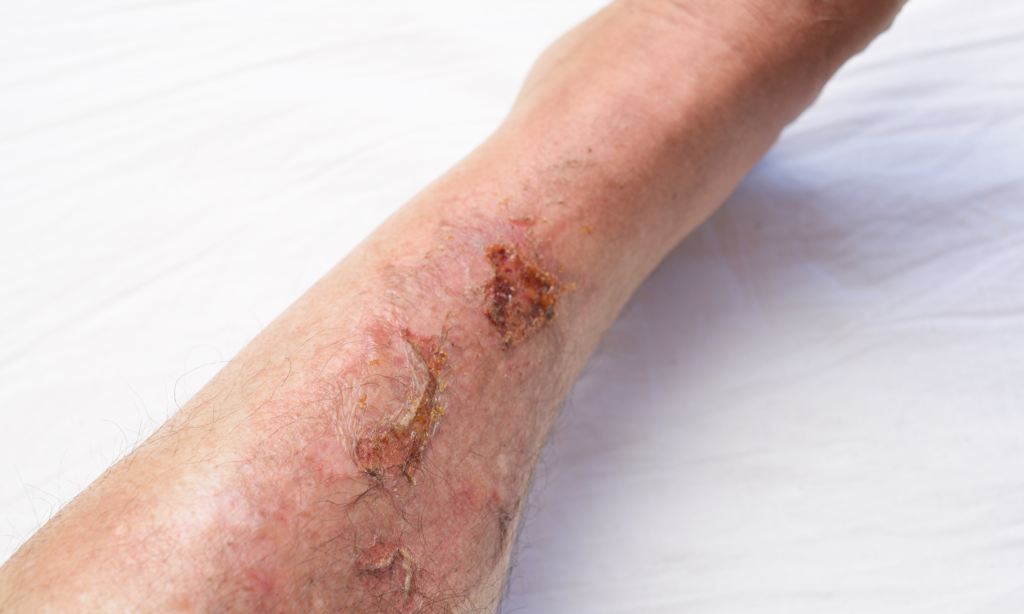
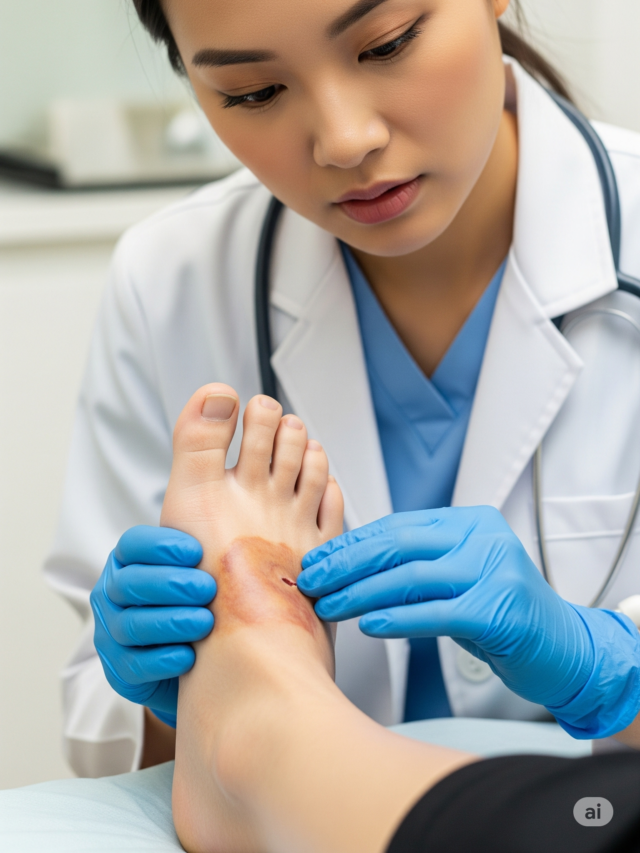
Infectious wounds are a serious medical concern that can delay healing and lead to severe complications if not managed properly. Any break in the skin whether from surgery, injury, burns, or chronic ulcers can become infected when bacteria or other microorganisms enter the wound. Without timely care, infections may spread to surrounding tissue, bloodstream, or bone.
This detailed wound guide explains everything you need to know about infectious wounds, including causes, symptoms, treatment methods, and practical prevention strategies. Understanding proper wound care can significantly reduce risks and improve healing outcomes.
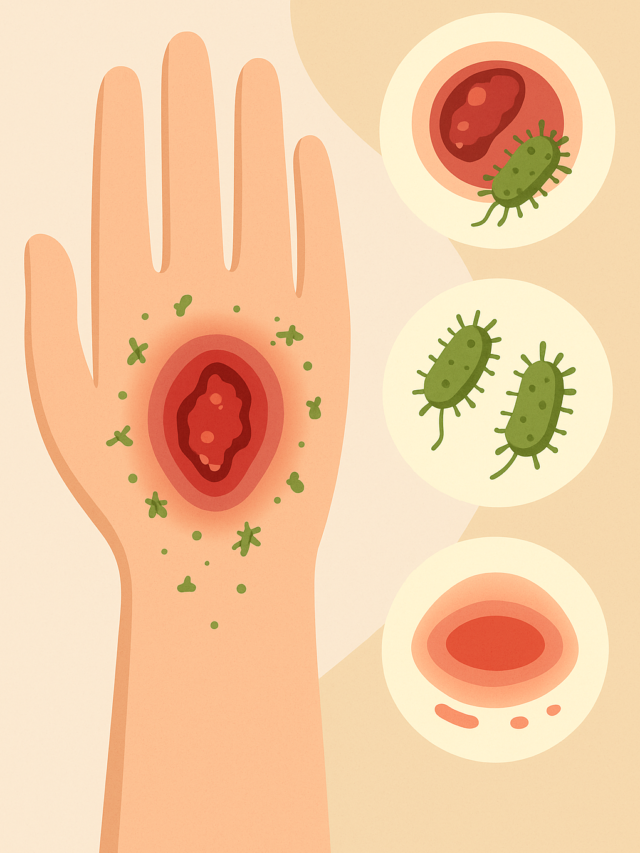
An infectious wound occurs when harmful microorganisms such as bacteria, fungi, or viruses invade damaged skin and begin multiplying. While many wounds contain small amounts of bacteria, infection happens when the body cannot control their growth.
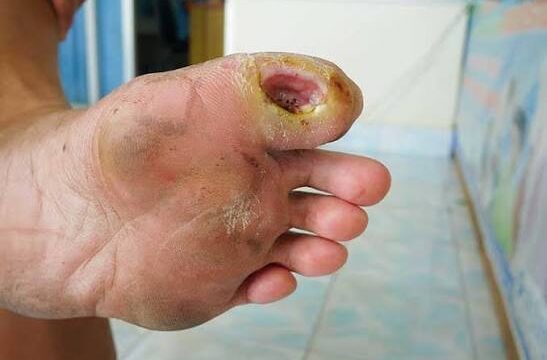
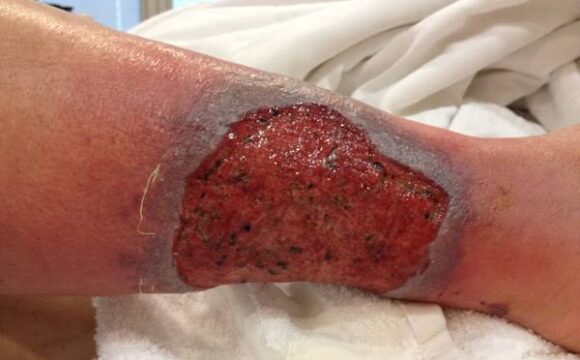
Common types of infectious wounds include:
Infections slow down the normal healing process by increasing inflammation and tissue damage.
The skin acts as a protective barrier against germs. When it is broken, microorganisms can easily enter the body. Several factors increase the risk of infection:
Touching wounds with unclean hands or using contaminated dressings can introduce bacteria.
People with diabetes, chronic illness, or malnutrition may struggle to fight infections.
Ignoring small injuries allows bacteria to grow and spread.
Limited oxygen and nutrients reduce the body’s ability to heal.
Too much moisture or dryness can damage tissue and promote bacterial growth.
A proper wound guide focuses on reducing these risk factors early.
Recognizing early symptoms is essential for preventing complications. Watch for:
If any of these signs appear, medical attention should be sought immediately.
Different microorganisms can cause infection. The most common include:
Understanding the type of infection helps doctors choose the right treatment strategy within a structured wound guide.
Certain individuals are more prone to infectious wounds:
Lifestyle improvements and preventive care play a major role in reducing risks.
Healthcare professionals perform detailed assessments to identify infection severity. Common diagnostic methods include:
Accurate diagnosis allows for a targeted treatment plan and improves healing outcomes.
Managing infectious wounds requires a combination of medical treatment and proper wound care.
Removing dead tissue helps eliminate bacteria and encourages healthy tissue growth.
Doctors may prescribe oral or topical antibiotics depending on infection severity.
Antimicrobial dressings protect the wound and maintain a balanced environment.
Medications help reduce discomfort and swelling.
Severe infections may require surgical drainage or removal of infected tissue.
A structured wound guide ensures that treatment remains consistent and effective.
Modern wound care offers innovative solutions for complex infections:
These therapies are especially helpful for chronic or severe infectious wounds that do not respond to standard treatment.
Proper daily care is essential for managing infectious wounds safely:
Consistency in daily care significantly improves recovery.
Nutrition plays a vital role in strengthening the immune system and speeding up healing.
Important nutrients include:
A balanced diet is an important part of any effective wound guide.
Prevention starts with basic hygiene and early care:
Following preventive steps reduces the risk of complications and long-term damage.
Living with an infected wound can be physically and emotionally challenging. Pain, slow healing, and fear of complications may cause anxiety. Education and awareness through trusted platforms like Wound Guide help patients feel more confident and in control of their healing journey.
Seek urgent medical help if:
Prompt treatment can prevent serious health risks such as sepsis or tissue loss.
Medical advancements are transforming how infectious wounds are treated. Smart dressings, antimicrobial technologies, and AI-based wound monitoring systems are improving early detection and healing outcomes. Educational resources like Wound Guide continue to play a key role in spreading awareness and promoting better wound care practices.
Infectious wounds require immediate attention, proper hygiene, and a well-structured care plan. Early recognition of symptoms, timely medical treatment, and consistent daily care can prevent complications and support faster recovery.
By understanding the causes, following a detailed wound guide, and using reliable resources like Wound Guide, patients can take proactive steps toward safe healing and long-term health. With the right knowledge and care, even complex infections can be managed effectively.