
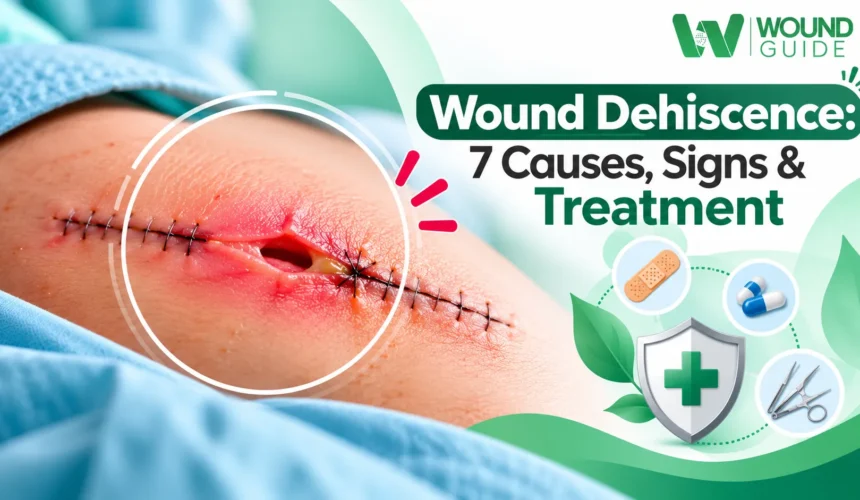
[cmsmasters_row data_shortcode_id=”f0tcslms3″ data_padding_bottom_mobile_v=”0″ data_padding_top_mobile_v=”0″ data_padding_bottom_mobile_h=”0″ data_padding_top_mobile_h=”0″ data_padding_bottom_tablet=”0″ data_padding_top_tablet=”0″ data_padding_bottom_laptop=”0″ data_padding_top_laptop=”0″ data_padding_bottom_large=”0″ data_padding_top_large=”0″ data_padding_bottom=”50″ data_padding_top=”0″ data_bg_parallax_ratio=”0.5″ data_bg_size=”cover” data_bg_attachment=”scroll” data_bg_repeat=”no-repeat” data_bg_position=”top center” data_color=”default” data_bot_style=”default” data_top_style=”default” data_padding_right=”3″ data_padding_left=”3″ data_width=”boxed”][cmsmasters_column data_width=”1/1″ data_shortcode_id=”zpj6hj1bq5″ data_animation_delay=”0″ data_border_style=”default” data_bg_size=”cover” data_bg_attachment=”scroll” data_bg_repeat=”no-repeat” data_bg_position=”top center”][cmsmasters_text shortcode_id=”h2rzmchfmg” animation_delay=”0″] Wound dehiscence is a complication in which a surgical incision partially or completely separates after surgery. It can happen when the tissues have not healed sufficiently to keep the wound edges together. The opening may be small and limited to the skin, or it may extend into deeper tissues and require urgent medical treatment. After surgery, the body needs time to repair damaged...
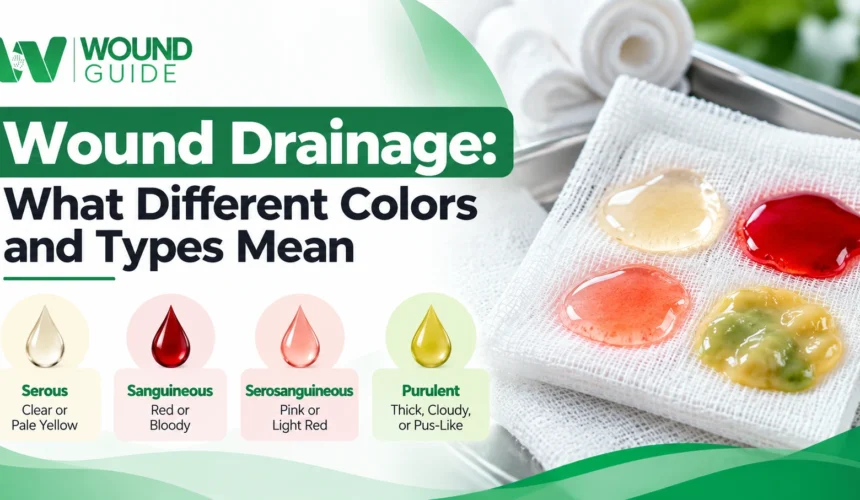
Wound Drainage: What Different Colors and Types Mean
[cmsmasters_row data_width=”boxed” data_padding_left=”3″ data_padding_right=”3″ data_top_style=”default” data_bot_style=”default” data_color=”default” data_bg_position=”top center” data_bg_repeat=”no-repeat” data_bg_attachment=”scroll” data_bg_size=”cover” data_bg_parallax_ratio=”0.5″ data_padding_top=”0″ data_padding_bottom=”50″ data_padding_top_large=”0″ data_padding_bottom_large=”0″ data_padding_top_laptop=”0″ data_padding_bottom_laptop=”0″ data_padding_top_tablet=”0″ data_padding_bottom_tablet=”0″ data_padding_top_mobile_h=”0″ data_padding_bottom_mobile_h=”0″ data_padding_top_mobile_v=”0″ data_padding_bottom_mobile_v=”0″ data_shortcode_id=”ciic8jmapp”][cmsmasters_column data_width=”1/1″ data_bg_position=”top center” data_bg_repeat=”no-repeat” data_bg_attachment=”scroll” data_bg_size=”cover” data_border_style=”default” data_animation_delay=”0″ data_shortcode_id=”rmolj78k1p”][cmsmasters_text shortcode_id=”ejfjg8557z” animation_delay=”0″] Wound drainage is a common part of the healing process, but changes in its color, thickness, smell, or amount can sometimes indicate a problem. A small amount of clear or pale pink fluid may be expected in many healing wounds, while thick, cloudy discharge or increasing drainage may require medical assessment. Understanding wound drainage can help you recognise normal healing changes, identify possible...
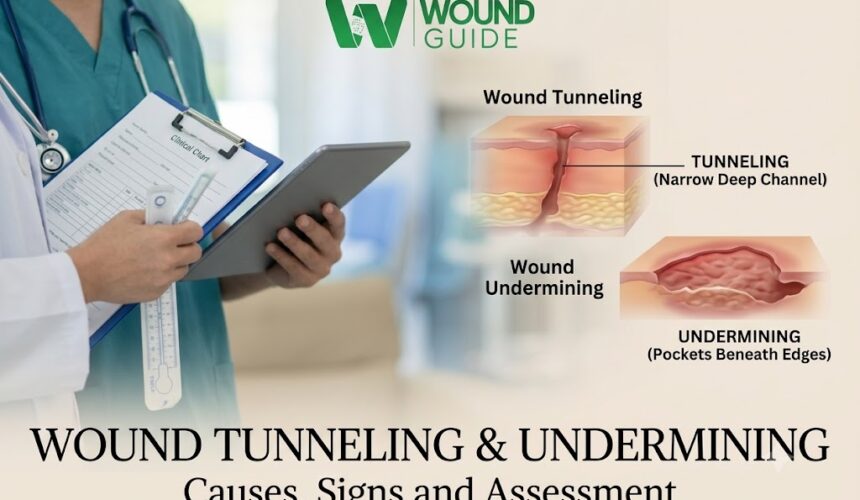
Wound Tunneling and Undermining: Causes, Signs and Assessment
Wound Tunneling and Undermining are important wound characteristics that can indicate tissue damage beneath the skin’s surface. Although both conditions may appear similar, wound tunneling involves a narrow channel extending into deeper tissue, while undermining occurs when tissue damage spreads beneath the wound edges. Understanding their causes, signs, and assessment methods can help patients and caregivers recognize potential complications and seek appropriate medical care. In this guide, we explain how wound tunneling and undermining develop, which warning signs to watch for, how healthcare professionals assess these wounds, and which care approaches may support healing. What Is Wound Tunneling? Wound tunneling...
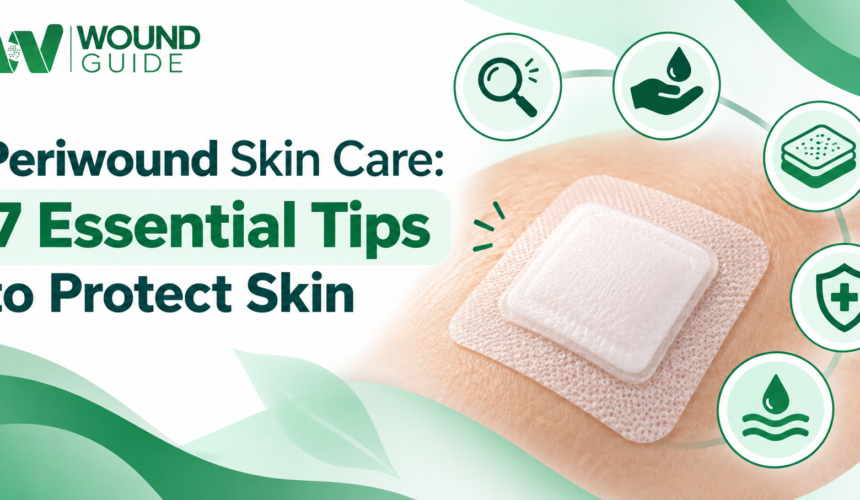
Periwound Skin Care: 7 Essential Tips to Protect Skin Around a Wound
[cmsmasters_row data_width=”boxed” data_padding_left=”3″ data_padding_right=”3″ data_top_style=”default” data_bot_style=”default” data_color=”default” data_bg_position=”top center” data_bg_repeat=”no-repeat” data_bg_attachment=”scroll” data_bg_size=”cover” data_bg_parallax_ratio=”0.5″ data_padding_top=”0″ data_padding_bottom=”50″ data_padding_top_large=”0″ data_padding_bottom_large=”0″ data_padding_top_laptop=”0″ data_padding_bottom_laptop=”0″ data_padding_top_tablet=”0″ data_padding_bottom_tablet=”0″ data_padding_top_mobile_h=”0″ data_padding_bottom_mobile_h=”0″ data_padding_top_mobile_v=”0″ data_padding_bottom_mobile_v=”0″ data_shortcode_id=”1szioxz5t9″][cmsmasters_column data_width=”1/1″ data_bg_position=”top center” data_bg_repeat=”no-repeat” data_bg_attachment=”scroll” data_bg_size=”cover” data_border_style=”default” data_animation_delay=”0″ data_shortcode_id=”ic9bsnx04″][cmsmasters_text shortcode_id=”knp7g4lg54″ animation_delay=”0″] Periwound skin care is an important part of wound management because the skin surrounding a wound helps protect underlying tissues and supports healing. Although wound care often focuses on the wound bed, the surrounding Skin Maceration also needs regular attention. Excess moisture, friction, wound drainage, and adhesive dressings can cause irritation and skin damage. Proper care helps protect the skin barrier, improve comfort,...
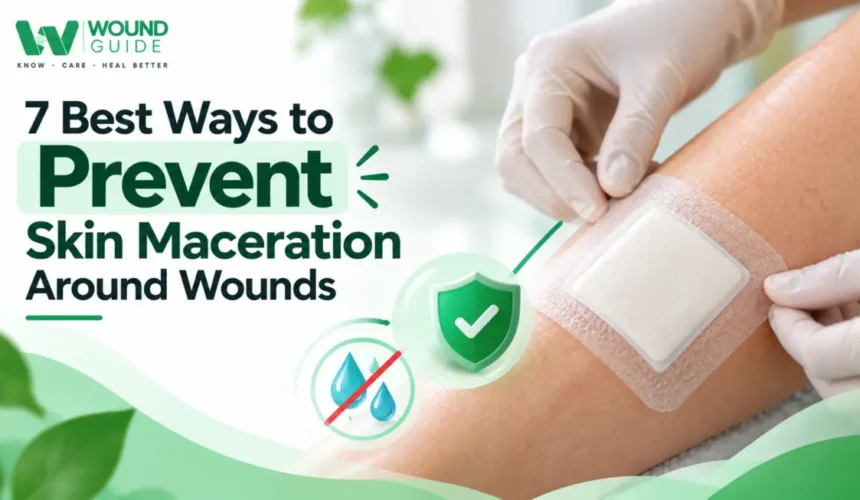
Skin Maceration Around Wounds: Causes, Signs & 7 Best Fixes
[cmsmasters_row data_width=”boxed” data_padding_left=”3″ data_padding_right=”3″ data_top_style=”default” data_bot_style=”default” data_color=”default” data_bg_position=”top center” data_bg_repeat=”no-repeat” data_bg_attachment=”scroll” data_bg_size=”cover” data_bg_parallax_ratio=”0.5″ data_padding_top=”0″ data_padding_bottom=”50″ data_padding_top_large=”0″ data_padding_bottom_large=”0″ data_padding_top_laptop=”0″ data_padding_bottom_laptop=”0″ data_padding_top_tablet=”0″ data_padding_bottom_tablet=”0″ data_padding_top_mobile_h=”0″ data_padding_bottom_mobile_h=”0″ data_padding_top_mobile_v=”0″ data_padding_bottom_mobile_v=”0″ data_shortcode_id=”4i7sk9lj5″][cmsmasters_column data_width=”1/1″ data_bg_position=”top center” data_bg_repeat=”no-repeat” data_bg_attachment=”scroll” data_bg_size=”cover” data_border_style=”default” data_animation_delay=”0″ data_shortcode_id=”03c45afnyl”][cmsmasters_text shortcode_id=”n5hhwr3g9″ animation_delay=”0″] kin maceration around wounds is one of the most common yet overlooked problems in wound care. The skin turns white, soft and soggy because it stays wet for too long. Left alone, it can slow healing, enlarge the wound and invite infection. For everyday wound-care steps, see our guide to daily wound care and infection prevention. This guide explains what skin maceration around...
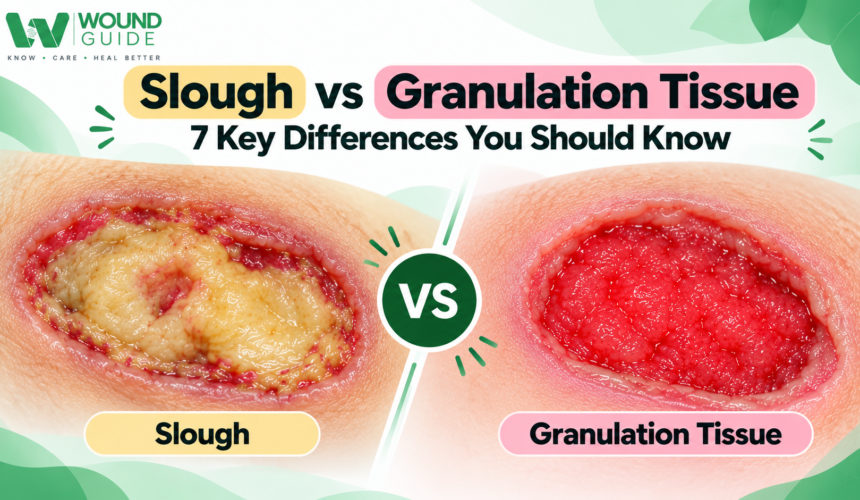
Slough vs Granulation Tissue: 7 Critical Differences for Healthy Wound Healing
[cmsmasters_row data_width=”boxed” data_padding_left=”3″ data_padding_right=”3″ data_top_style=”default” data_bot_style=”default” data_color=”default” data_bg_position=”top center” data_bg_repeat=”no-repeat” data_bg_attachment=”scroll” data_bg_size=”cover” data_bg_parallax_ratio=”0.5″ data_padding_top=”0″ data_padding_bottom=”50″ data_padding_top_large=”0″ data_padding_bottom_large=”0″ data_padding_top_laptop=”0″ data_padding_bottom_laptop=”0″ data_padding_top_tablet=”0″ data_padding_bottom_tablet=”0″ data_padding_top_mobile_h=”0″ data_padding_bottom_mobile_h=”0″ data_padding_top_mobile_v=”0″ data_padding_bottom_mobile_v=”0″ data_shortcode_id=”xjdqgazlij”][cmsmasters_column data_width=”1/1″ data_shortcode_id=”pm8bmys0r” data_border_style=”default” data_animation_delay=”0″][cmsmasters_text shortcode_id=”rddgpyh38a” animation_delay=”0″] When you look at an open wound, you may notice yellow, white, pink, or red tissue inside the wound bed. But what does that tissue mean? Is the yellow material slough, or is the red tissue healthy granulation tissue. Understanding the difference between Slough vs Granulation Tissue can help patients and caregivers better understand what they are seeing during the wound-healing process. However, wound color alone cannot provide...
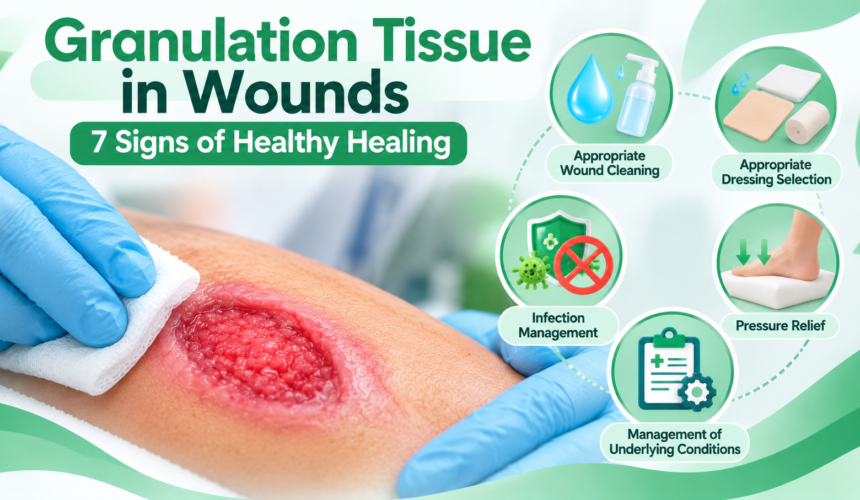
Granulation Tissue in Wounds: 7 Signs of Healthy Healing
[cmsmasters_row data_shortcode_id=”b2g8nfblvc” data_padding_bottom_mobile_v=”0″ data_padding_top_mobile_v=”0″ data_padding_bottom_mobile_h=”0″ data_padding_top_mobile_h=”0″ data_padding_bottom_tablet=”0″ data_padding_top_tablet=”0″ data_padding_bottom_laptop=”0″ data_padding_top_laptop=”0″ data_padding_bottom_large=”0″ data_padding_top_large=”0″ data_padding_bottom=”50″ data_padding_top=”0″ data_bg_parallax_ratio=”0.5″ data_bg_size=”cover” data_bg_attachment=”scroll” data_bg_repeat=”no-repeat” data_bg_position=”top center” data_color=”default” data_bot_style=”default” data_top_style=”default” data_padding_right=”3″ data_padding_left=”3″ data_width=”boxed”][cmsmasters_column data_width=”1/1″ data_shortcode_id=”l5dgrg6moj” data_animation_delay=”0″ data_border_style=”default” data_bg_size=”cover” data_bg_attachment=”scroll” data_bg_repeat=”no-repeat” data_bg_position=”top center”][cmsmasters_text shortcode_id=”7twslkrnil” animation_delay=”0″] Granulation Tissue in Wounds is an important part of the body’s natural healing process. It is new tissue that develops as a wound begins to repair itself. Healthy granulation tissue can help fill the wound bed, support new blood vessels, and prepare the area for new skin formation. Understanding how wounds heal can also help you understand why choosing an appropriate dressing matters....
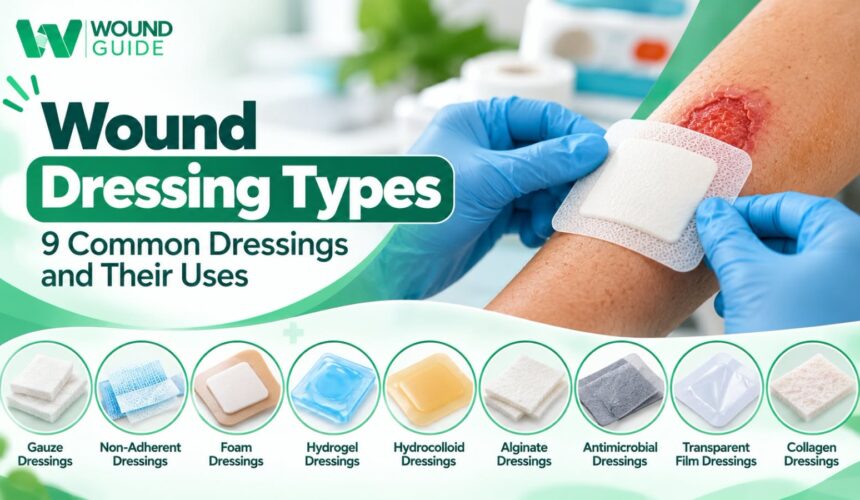
Wound Dressing Types: 9 Common Dressings and Their Uses
[cmsmasters_row data_shortcode_id=”oxrafxo3s6″ data_padding_bottom_mobile_v=”0″ data_padding_top_mobile_v=”0″ data_padding_bottom_mobile_h=”0″ data_padding_top_mobile_h=”0″ data_padding_bottom_tablet=”0″ data_padding_top_tablet=”0″ data_padding_bottom_laptop=”0″ data_padding_top_laptop=”0″ data_padding_bottom_large=”0″ data_padding_top_large=”0″ data_padding_bottom=”50″ data_padding_top=”0″ data_bg_parallax_ratio=”0.5″ data_bg_size=”cover” data_bg_attachment=”scroll” data_bg_repeat=”no-repeat” data_bg_position=”top center” data_color=”default” data_bot_style=”default” data_top_style=”default” data_padding_right=”3″ data_padding_left=”3″ data_width=”boxed”][cmsmasters_column data_width=”1/1″ data_shortcode_id=”hod95dhdhi” data_animation_delay=”0″ data_border_style=”default” data_bg_size=”cover” data_bg_attachment=”scroll” data_bg_repeat=”no-repeat” data_bg_position=”top center”][cmsmasters_text shortcode_id=”hai0zceazj” animation_delay=”0″] Wound Dressing Types can make a major difference in how a wound is protected, how wound fluid is managed, and how comfortable the healing process is. But with so many dressing products available, it can be confusing to know which one is appropriate for a particular wound. A small superficial wound may need a simple protective dressing, while a chronic ulcer, diabetic foot...
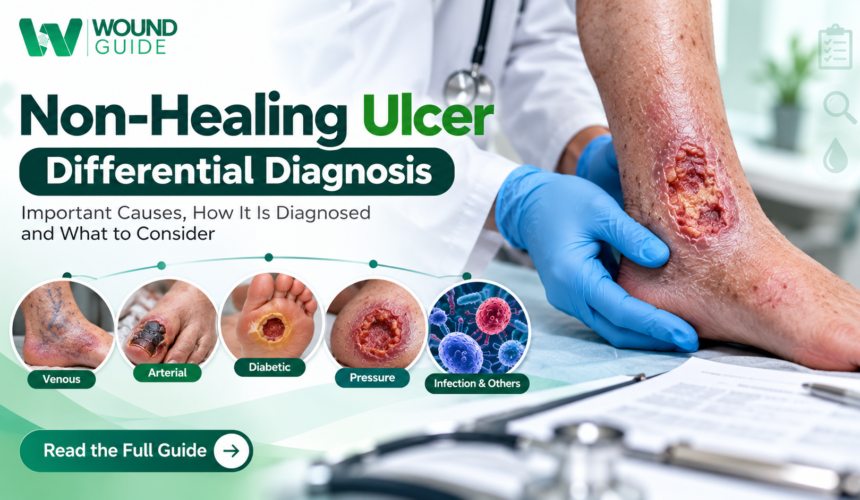
Non-Healing Ulcer Differential Diagnosis: 9 Critical Causes You Must Know
[cmsmasters_row data_width=”boxed” data_padding_left=”3″ data_padding_right=”3″ data_top_style=”default” data_bot_style=”default” data_color=”default” data_bg_position=”top center” data_bg_repeat=”no-repeat” data_bg_attachment=”scroll” data_bg_size=”cover” data_bg_parallax_ratio=”0.5″ data_padding_top=”0″ data_padding_bottom=”50″ data_padding_top_large=”0″ data_padding_bottom_large=”0″ data_padding_top_laptop=”0″ data_padding_bottom_laptop=”0″ data_padding_top_tablet=”0″ data_padding_bottom_tablet=”0″ data_padding_top_mobile_h=”0″ data_padding_bottom_mobile_h=”0″ data_padding_top_mobile_v=”0″ data_padding_bottom_mobile_v=”0″ data_shortcode_id=”d99poaqkl9″][cmsmasters_column data_width=”1/1″ data_bg_position=”top center” data_bg_repeat=”no-repeat” data_bg_attachment=”scroll” data_bg_size=”cover” data_border_style=”default” data_animation_delay=”0″ data_shortcode_id=”chsj2kll9h”][cmsmasters_text shortcode_id=”vxnpv2kw8b” animation_delay=”0″] Non-Healing Ulcer Differential Diagnosis is important when a wound does not improve as expected despite appropriate wound care. A persistent ulcer may be linked to poor blood circulation, diabetes, pressure, nerve damage, infection, inflammation, or other underlying conditions. Identifying the actual cause is essential because different types of ulcers require different evaluation and treatment approaches. A wound that continues to enlarge, becomes increasingly...
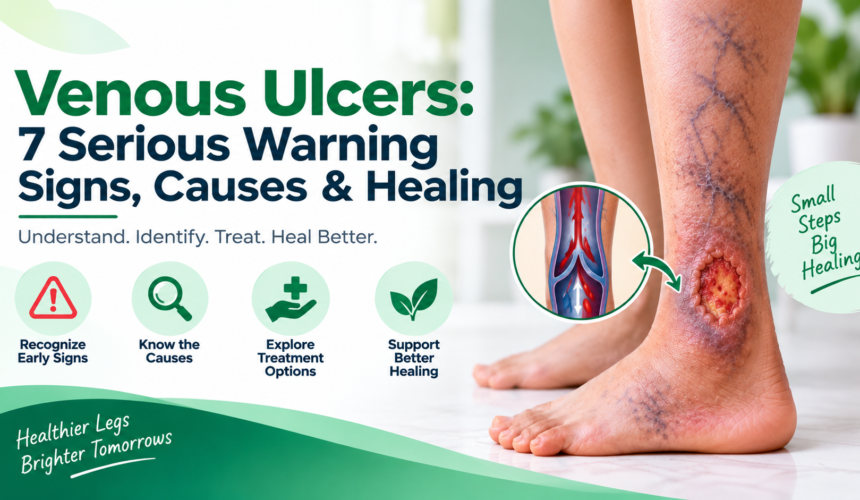
Venous Ulcers: 7 Serious Warning Signs, Causes & Healing
[cmsmasters_row data_shortcode_id=”1wu29uybac” data_padding_bottom_mobile_v=”0″ data_padding_top_mobile_v=”0″ data_padding_bottom_mobile_h=”0″ data_padding_top_mobile_h=”0″ data_padding_bottom_tablet=”0″ data_padding_top_tablet=”0″ data_padding_bottom_laptop=”0″ data_padding_top_laptop=”0″ data_padding_bottom_large=”0″ data_padding_top_large=”0″ data_padding_bottom=”50″ data_padding_top=”0″ data_bg_parallax_ratio=”0.5″ data_bg_size=”cover” data_bg_attachment=”scroll” data_bg_repeat=”no-repeat” data_bg_position=”top center” data_color=”default” data_bot_style=”default” data_top_style=”default” data_padding_right=”3″ data_padding_left=”3″ data_width=”boxed”][cmsmasters_column data_width=”1/1″ data_animation_delay=”0″ data_border_style=”default” data_shortcode_id=”zg4u3rui5p”][cmsmasters_text shortcode_id=”olwf6nc5lj” animation_delay=”0″] Venous Ulcers are open sores that usually develop on the lower leg when blood does not flow properly back toward the heart. They are commonly associated with chronic venous insufficiency (CVI), a condition in which damaged or weakened vein valves allow blood to pool in the legs. This can increase pressure inside the veins and contribute to skin changes, swelling, and ulcer formation. A venous ulcer may begin...