
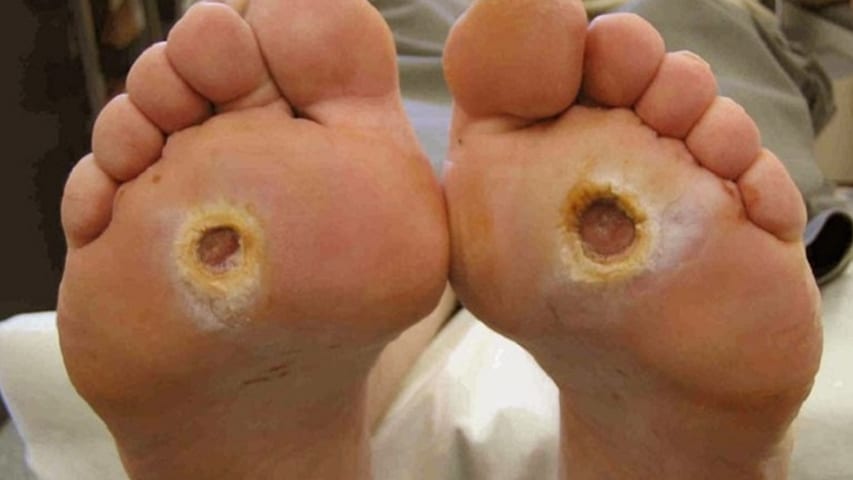
A pressure ulcer foot is a serious wound that develops when continuous pressure reduces blood flow to the skin and underlying tissues of the foot. These wounds are commonly seen in people who have limited mobility, diabetes, spinal cord injuries, or those confined to a bed or wheelchair for long periods. While they may begin as a small patch of redness, pressure ulcers can quickly worsen into deep wounds involving muscles, tendons, and even bone if left untreated.
Pressure ulcers on the foot are particularly concerning because the feet naturally bear body weight, making healing slower. If ignored, they can become infected and lead to severe complications such as cellulitis, osteomyelitis (bone infection), or amputation.
The good news is that most pressure ulcer foot cases can be prevented with proper care, regular skin inspections, pressure relief, and early medical intervention.
In this comprehensive guide, you’ll learn everything you need to know about pressure ulcer foot, including its causes, stages, symptoms, treatment options, prevention strategies, and when to seek professional wound care.
What Is a Pressure Ulcer Foot?
A pressure ulcer foot is an injury to the skin and deeper tissues caused by prolonged pressure or friction on the foot. Continuous pressure restricts blood circulation, depriving tissues of oxygen and nutrients. Over time, the affected skin begins to break down, creating an open wound.
Pressure ulcers commonly develop on bony parts of the foot, including:
- Heel
- Toes
- Side of the foot
- Ball of the foot
- Ankle
- Top of the foot (from tight footwear)
These wounds are also known as:
- Foot pressure sores
- Decubitus ulcers
- Bedsores on the foot
Why Does a Pressure Ulcer Develop on the Foot?
The foot is highly vulnerable because of continuous contact with surfaces such as beds, wheelchairs, shoes, or walking aids.
Common causes include:
Continuous Pressure
When a person remains in one position for several hours, blood flow decreases, damaging the tissues.
Friction
Repeated rubbing of the foot against bedsheets, socks, or shoes weakens the skin.
Shear Force
Sliding down in bed stretches the skin while deeper tissues stay fixed, causing internal injury.
Moisture
Sweat, wound drainage, or incontinence softens the skin and increases breakdown.
Who Is at Risk?
Anyone can develop a pressure ulcer, but certain individuals face a much higher risk.
Older Adults
Aging skin becomes thinner, more fragile, and heals slowly.
People with Diabetes
Diabetes causes nerve damage and poor circulation, increasing the risk of unnoticed injuries.
Bedridden Patients
Patients who spend long periods in bed without repositioning are highly vulnerable.
Wheelchair Users
Constant sitting places pressure on the heels and ankles.
People with Paralysis
Loss of sensation prevents early detection of pressure damage.
Individuals with Poor Nutrition
Protein deficiency delays wound healing.
Patients Recovering After Surgery
Temporary immobility increases pressure on the feet.
Pressure Ulcer Foot Stages
Understanding the stages helps determine the appropriate treatment.
Stage 1 Pressure Ulcer
This is the earliest stage.
Symptoms include:
- Persistent redness
- Warm or cool skin
- Pain or tenderness
- Skin remains intact
- Color doesn’t fade when pressed
Healing is usually quick with proper pressure relief.
Stage 2 Pressure Ulcer
The skin begins breaking down.
Signs include:
- Shallow open sore
- Blister
- Pink wound bed
- Mild drainage
Prompt treatment usually prevents progression.
Stage 3 Pressure Ulcer
Damage extends into the fat layer beneath the skin.
Symptoms include:
- Deep crater
- Yellow tissue
- Increased drainage
- Swelling
- Foul smell may develop
Professional wound care becomes necessary.
Stage 4 Pressure Ulcer
This is the most severe stage.
Damage reaches:
- Muscle
- Tendons
- Ligaments
- Bone
Patients may experience:
- Heavy drainage
- Severe infection
- Black dead tissue
- Bone exposure
Immediate medical treatment is required.
Unstageable Pressure Ulcer
Sometimes dead tissue completely covers the wound, making it impossible to determine its true depth until cleaned.
Deep Tissue Pressure Injury
The skin may appear:
- Purple
- Dark red
- Blood-filled blister
Although the skin remains intact, severe damage exists underneath.
Symptoms of Pressure Ulcer Foot
Watch for these warning signs:
- Redness that doesn’t disappear
- Foot pain
- Warm or cool skin
- Swelling
- Blisters
- Skin breakdown
- Open wound
- Drainage
- Pus
- Bad odor
- Black tissue
- Fever (if infection develops)
Early recognition greatly improves healing outcomes.
Common Locations of Pressure Ulcers on the Foot
Pressure ulcers most frequently develop on:
- Heel
- Ankle
- Side of the foot
- Toe joints
- Ball of the foot
- Top of the foot
- Outer edge of the foot
The heel remains the most common location.
Causes of Pressure Ulcer Foot
Several factors contribute to ulcer formation.
Poor Blood Circulation
Reduced circulation deprives tissues of oxygen.
Diabetes
High blood sugar damages nerves and blood vessels.
Peripheral Artery Disease
Poor blood flow delays healing.
Neuropathy
Loss of sensation prevents patients from noticing injuries.
Tight Shoes
Improper footwear creates constant pressure points.
Immobility
Remaining in one position for long periods damages tissues.
How Is a Pressure Ulcer Foot Diagnosed?
Doctors diagnose pressure ulcers through:
Physical Examination
The wound’s size, depth, drainage, and tissue appearance are assessed.
Pressure Ulcer Staging
The ulcer is classified from Stage 1 to Stage 4.
Infection Assessment
Doctors look for redness, warmth, swelling, and pus.
Imaging
X-rays or MRI scans may detect bone infection.
Blood Tests
Blood work checks for infection and nutritional deficiencies.
Pressure Ulcer Foot Treatment
Treatment depends on the ulcer stage and overall health.
Pressure Relief
Removing pressure is the first step.
Methods include:
- Heel protectors
- Foam cushions
- Pressure-relieving mattresses
- Frequent repositioning
Wound Cleaning
Healthcare providers clean the wound using sterile saline or approved wound cleansers.
Avoid using harsh antiseptics unless specifically recommended.
Dressing the Wound
Different dressings support healing depending on the wound condition.
Common options include:
- Foam dressings
- Hydrocolloid dressings
- Alginate dressings
- Hydrogel dressings
- Antimicrobial dressings
- Silicone dressings
Dressings help:
- Maintain moisture balance
- Prevent infection
- Protect surrounding skin
- Absorb drainage
Debridement
Dead tissue must often be removed through:
- Surgical debridement
- Autolytic debridement
- Enzymatic debridement
- Mechanical debridement
This promotes healthy tissue growth.
Infection Control
If infection develops, treatment may include:
- Topical antimicrobial dressings
- Oral antibiotics
- Intravenous antibiotics for severe infections
Blood Sugar Management
People with diabetes should maintain healthy blood sugar levels to improve healing.
Nutrition
Proper nutrition plays a major role.
Patients should consume:
- Protein
- Vitamin C
- Zinc
- Iron
- Adequate fluids
Surgery
Large Stage 4 wounds may require:
- Skin grafts
- Flap surgery
- Bone infection treatment
Home Care Tips
Patients and caregivers can support healing by:
- Inspecting feet daily
- Keeping wounds clean
- Changing dressings as instructed
- Wearing pressure-relieving footwear
- Avoiding walking on affected areas
- Keeping blood sugar under control
- Staying hydrated
- Eating a protein-rich diet
Never remove dressings without medical advice.
Can Pressure Ulcer Foot Heal
Healing depends on:
- Ulcer stage
- Blood circulation
- Diabetes control
- Nutrition
- Infection status
- Consistent wound care
Ulcers may heal within days, while advanced ulcers can take several months.
Possible Complications
An untreated pressure ulcer foot can lead to:
- Cellulitis
- Bone infection (osteomyelitis)
- Sepsis
- Gangrene
- Chronic wounds
- Tissue death
- Amputation
Early treatment significantly reduces these risks.
How to Prevent Pressure Ulcer Foot
Prevention is always better than treatment.
Relieve Pressure Frequently
Reposition bedridden patients every two hours and wheelchair users every 15–30 minutes if possible.
Inspect Feet Daily
Look for:
- Redness
- Swelling
- Blisters
- Cracks
- Skin discoloration
Wear Proper Footwear
Choose shoes that:
- Fit well
- Reduce pressure
- Provide cushioning
- Avoid friction
Keep Skin Clean
Wash and dry feet daily, paying attention between the toes.
Moisturize Dry Skin
Prevent cracks by using suitable moisturizers, avoiding excess moisture between toes.
Maintain Healthy Nutrition
Eat balanced meals rich in protein, vitamins, and minerals to support skin health.
Stay Active
Regular movement improves blood circulation and reduces pressure.
Control Diabetes
Keep blood sugar within the target range to promote healing and lower infection risk.
Use Pressure-Relieving Devices
Heel protectors, cushions, and specialized mattresses help distribute pressure more evenly.
When Should You See a Wound Care Specialist?
Seek medical attention immediately if you notice:
- An open wound on the foot
- Redness lasting more than 24 hours
- Increasing pain
- Swelling or warmth
- Pus or foul-smelling drainage
- Fever or chills
- Black or dead tissue
- Bone visible in the wound
- No improvement after several days of proper care
Early assessment by a wound care specialist can prevent complications and speed recovery.
Telehealth vs In-Person Wound Care: Head-to-Head Comparison
| Feature | Telehealth | In-Person |
|---|---|---|
| Accessibility | 24/7, remote access | Requires travel, availability |
| Cost | Typically lower | Can be more expensive |
| Time Efficiency | Fast, no wait time | May involve long waits |
| Accuracy | Effective for visual assessments | Best for complex or deep wounds |
| Emergency Handling | Limited | Ideal for urgent wound needs |
When is Telehealth Wound Care the Right Choice?
Telehealth is ideal if:
- Your wound is mild to moderate and healing slowly
- You want a second opinion
- You can’t easily travel to a clinic
You’re looking to monitor healing after an in-person procedure
Need remote help now? Book a wound teleconsultation in minutes.
When to Choose In-Person Wound Care Instead
You should seek in-person care if:
- The wound shows signs of infection (fever, odor, pus)
- There’s significant tissue damage
- You have poor circulation or other complications
- You need advanced procedures like surgical debridement
If you’re unsure, start with a teleconsultation, and the provider will guide you to in-person care if necessary.
Expert Insight: Is Telehealth Effective for Wound Management?
Yes. Multiple studies have shown that telemedicine for wound care is:
- Clinically effective for assessing healing progress
- Associated with faster treatment initiation
- Linked to lower readmission rates when paired with self-care education
In fact, telehealth can reduce healing times by up to 20% for low-to-moderate risk wounds.
Final Thoughts
A pressure ulcer foot may begin as a small area of redness, but without timely care it can progress into a serious wound that threatens mobility and overall health. Understanding the stages, recognizing early symptoms, and taking preventive measures are the best ways to avoid complications.
Whether you are caring for yourself or a loved one, regular foot checks, pressure relief, proper wound care, and professional medical guidance are essential. If you notice an ulcer that is worsening, painful, or showing signs of infection, seek help from a qualified wound care specialist without delay. Early intervention can improve healing, reduce the risk of infection, and help preserve foot function and quality of life.
FAQ
A: Yes. Mild to moderate wounds can often be treated via telehealth through remote assessments, dressing guidance, and healing monitoring.
A: It offers convenience, affordability, and fast access to wound experts — especially for homebound or rural patients.
A: Infected, deep, or non-healing wounds with complications require in-person care for physical intervention and advanced treatment.
Leave a Reply