
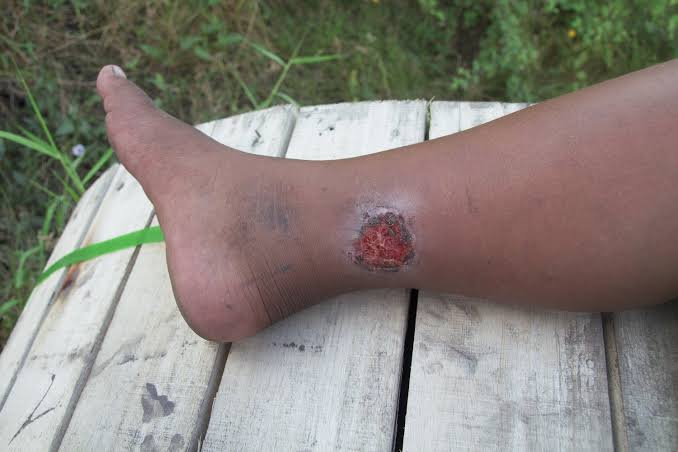
A Venous Ulcer, also called a venous leg ulcer or venous stasis ulcer, is more than a wound that simply takes longer than expected to heal. It is often a sign that the veins in the lower legs are not returning blood toward the heart efficiently.
These ulcers commonly develop around the ankle and lower leg and may remain open for weeks or months. Even after healing, they can return if the underlying venous circulation problem is not managed.
The good news is that venous ulcers are treatable. Proper wound assessment, appropriate compression therapy, wound care, physical activity, leg elevation, and management of the underlying vein problem can significantly improve healing.
This guide explains Venous Ulcer causes, symptoms, diagnosis, treatment, healing time, complications, and prevention, along with practical steps that can support long-term leg health.
Important: A leg ulcer should be assessed by a qualified healthcare professional. Compression therapy is an important treatment for venous ulcers, but it may not be appropriate for everyone, particularly when significant arterial disease is present.
What Is a Venous Ulcer?
A Venous Ulcer is an open wound of the lower leg associated with poor venous circulation, most commonly chronic venous insufficiency.
Normally, veins carry blood from the legs back toward the heart. Because blood must move upward against gravity, leg veins contain one-way valves that help prevent blood from flowing backward.
When these valves become damaged or stop functioning properly, blood can pool in the lower legs.
This increases pressure inside the veins, a problem known as venous hypertension.
Over time, persistent high venous pressure can contribute to:
- Leg and ankle swelling
- Chronic inflammation
- Skin discoloration
- Changes in the skin and underlying tissue
- Venous eczema
- Hardening of tissue
- Poor skin integrity
- Development of an open ulcer
Venous ulcers commonly occur in the lower leg, particularly around the medial ankle, or inner ankle area.
What Causes a Venous Ulcer?
The underlying problem is usually chronic venous insufficiency (CVI).
Healthy veins contain valves that open to allow blood to travel toward the heart and close to prevent backward flow. Muscles in the calf also act as a pump when you walk, helping push venous blood upward.
When venous valves become incompetent, blood may flow backward and collect in the lower leg.
This is called venous reflux.
Continued pooling of blood raises pressure within the veins and surrounding tissues. Persistent venous hypertension can trigger inflammation, swelling and progressive skin damage.
Eventually, fragile skin may break down spontaneously or after relatively minor trauma, creating a venous ulcer.
Conditions Associated With Venous Ulcers
Several conditions can contribute to venous disease, including:
- Chronic venous insufficiency
- Varicose veins
- Previous deep vein thrombosis (DVT)
- Previous leg injury
- Reduced mobility
- Venous obstruction
- Previous leg surgery
A previous DVT is particularly important because a blood clot can damage venous valves, contributing to long-term venous hypertension.
Who Is at Risk of Developing a Venous Ulcer?
Not everyone with venous disease develops an ulcer, but certain factors can increase the risk.
Common Venous Ulcer Risk Factors
1. Varicose veins
Enlarged or twisted veins can indicate that venous valves are not working efficiently.
2. Previous deep vein thrombosis
DVT may cause lasting damage to veins and valves and increase the likelihood of chronic venous insufficiency.
3. Reduced mobility
Walking activates the calf muscle pump. People who move less may have less effective venous return from the legs.
4. Obesity
Excess body weight can increase pressure on the veins of the lower extremities and may also make physical activity more difficult.
5. Increasing age
Venous disease and leg ulceration become more common with age.
6. Previous leg injury or surgery
Damage to veins or surrounding tissues may affect circulation.
7. Prolonged standing or sitting
Remaining in one position for long periods may worsen swelling and venous pooling, particularly in people who already have venous disease.
Having previously experienced a venous ulcer is also an important risk factor for developing another one.
Early Warning Signs Before a Venous Ulcer Develops
A venous ulcer does not always appear without warning.
Venous insufficiency may produce noticeable changes in the lower legs before the skin opens.
Early Symptoms May Include:
- Persistent ankle swelling
- Swelling that becomes worse later in the day
- Aching or heaviness in the legs
- Itching
- Dry or flaky skin
- Brown skin discoloration
- Red or inflamed skin
- Visible varicose veins
- Tight or hardened skin around the lower leg
One characteristic skin change is hemosiderin staining, which can create brown or rusty pigmentation around the ankle.
Another possible change is lipodermatosclerosis, in which chronic inflammation causes the skin and tissues of the lower leg to become firm or hardened.
Recognising these warning signs early provides an opportunity to seek medical assessment before an ulcer develops.
What Does a Venous Ulcer Look Like?
Venous ulcers have several typical characteristics, although appearance alone should not be used to diagnose the underlying cause.
A venous ulcer commonly appears as a:
- Shallow open wound
- Wound with irregular or uneven edges
- Red, pink or yellow wound bed
- Moist wound
- Wound producing moderate or heavy exudate
- Ulcer surrounded by swollen or discoloured skin
The wound is frequently located near the ankle, especially on the inner side of the lower leg.
The surrounding skin may also appear:
- Brown
- Red
- Inflamed
- Dry
- Itchy
- Thickened
- Hardened
Because arterial, diabetic, pressure-related and other wounds can sometimes resemble one another, a professional vascular and wound assessment is important.
Venous Ulcer vs Arterial Ulcer
Correctly identifying the cause of a leg ulcer matters because treatment can differ significantly.
Venous Ulcers
Venous ulcers generally:
- Develop around the lower leg or ankle
- Have irregular edges
- Are relatively shallow
- Produce moderate to heavy drainage
- Occur with leg swelling
- May be associated with brown skin pigmentation
- Are related to venous hypertension
Arterial Ulcers
Arterial ulcers are caused by inadequate arterial blood supply and may:
- Affect the toes, feet or pressure points
- Have a more punched-out appearance
- Be associated with a cold foot
- Cause significant pain
- Occur with weak or absent pulses
Some patients have mixed arterial and venous disease.
This distinction is particularly important because strong compression used for venous ulcers may be unsafe when arterial circulation is significantly impaired.
How Is a Venous Ulcer Diagnosed?
Diagnosis involves much more than looking at the wound.
A healthcare professional may evaluate:
- Medical history
- Previous DVT
- Previous ulcers
- Varicose veins
- Leg swelling
- Mobility
- Skin changes
- Wound location
- Wound size and depth
- Drainage
- Peripheral circulation
- Signs of infection
Ankle-Brachial Pressure Index (ABPI/ABI)
An Ankle-Brachial Pressure Index, commonly called ABPI or ABI, compares blood pressure measured at the ankle with blood pressure measured in the arm.
It can help determine whether significant arterial disease may also be present.
This is an important consideration before applying compression.
Additional vascular investigations, such as duplex ultrasound, may be recommended to assess venous reflux, obstruction or other circulation problems.
Venous Ulcer Treatment: What Actually Helps?
Effective venous ulcer treatment involves addressing two issues simultaneously:
- Creating an appropriate environment for the wound to heal.
- Treating the venous hypertension responsible for the ulcer.
Simply placing a dressing over the wound without addressing the underlying venous problem may not be enough.
1. Compression Therapy
Compression therapy is a cornerstone of venous leg ulcer treatment when it is clinically appropriate.
Compression applies controlled external pressure to the lower leg. This can help:
- Reduce swelling
- Support venous return
- Reduce venous hypertension
- Improve the effectiveness of the calf muscle pump
- Promote ulcer healing
Compression options can include:
- Multi-layer compression bandages
- Compression hosiery
- Compression stockings
- Adjustable compression wraps
- Other specialist compression systems
The appropriate type and level of compression should be selected by a trained healthcare professional after assessing arterial circulation and the patient’s overall condition.
Research evidence supports compression therapy for improving healing compared with no compression.
2. Wound Cleaning and Assessment
The wound should be regularly assessed for:
- Size
- Depth
- Exudate
- Wound-bed tissue
- Surrounding skin condition
- Pain
- Signs of infection
- Healing progress
Cleaning may be performed as part of routine wound management according to professional recommendations and individual wound characteristics.
The goal is to remove loose contaminants and create suitable conditions for healing without unnecessarily damaging healthy tissue.
3. Appropriate Wound Dressings
A dressing protects the wound and helps manage moisture and exudate.
The correct dressing depends on factors such as:
- Amount of wound drainage
- Wound-bed condition
- Surrounding skin
- Infection status
- Pain
- Frequency of dressing changes
- Compression system being used
Potential dressing categories include:
- Non-adherent dressings
- Foam dressings
- Absorbent dressings
- Hydrocolloid dressings
- Alginate or gelling-fibre dressings
- Antimicrobial dressings when clinically indicated
There is no single dressing that is automatically best for every venous ulcer.
Dressings should be chosen according to the needs of the individual wound rather than assuming that one product will accelerate healing in every patient.
4. Debridement When Appropriate
Some chronic wounds contain dead, damaged or non-viable tissue.
When clinically appropriate, a wound-care professional may recommend debridement, which involves removing unwanted tissue from the wound.
Different approaches may include:
- Autolytic debridement
- Conservative sharp debridement
- Mechanical methods
- Other specialist techniques
The appropriate method depends on circulation, wound condition, patient health and professional assessment.
5. Leg Elevation
Elevation can help reduce swelling caused by venous hypertension.
When advised by a healthcare professional, the affected leg may be elevated during periods of rest.
Rather than leaving the legs dependent for long periods, regular elevation can assist venous drainage and reduce edema.
People should follow individual clinical recommendations, especially if they have other vascular or cardiovascular conditions.
6. Walking and Calf-Muscle Activity
Your calf muscles play an important role in venous circulation.
Every time you walk, calf muscles contract and help push blood upward through the veins.
For people who are able to exercise safely, regular walking and ankle movement may support circulation.
Useful activities can include:
- Regular walking
- Ankle flexion and extension
- Avoiding prolonged immobility
- Taking movement breaks during long periods of sitting
Activity recommendations should be adapted for people with mobility limitations or other medical conditions.
7. Managing Infection Correctly
A chronic wound can contain bacteria without necessarily being clinically infected.
Antibiotics are therefore not routinely used simply because a venous ulcer is open.
However, medical assessment is required when there are signs suggesting infection.
Possible warning signs include:
- Increasing pain
- Increasing redness
- Warmth
- Swelling extending beyond the wound
- Purulent discharge
- Rapid deterioration
- Fever or systemic illness
Systemic antibiotics may be prescribed when clinical infection is diagnosed.
Unnecessary antibiotic use should be avoided because antibiotics do not treat the underlying venous hypertension and inappropriate use contributes to antimicrobial resistance.
8. Treating the Underlying Venous Disease
Compression helps control venous hypertension, but some patients may benefit from further vascular assessment.
Duplex ultrasound can help identify abnormal venous reflux.
Depending on the findings and individual circumstances, a vascular specialist may consider procedures designed to treat incompetent superficial veins.
Options may include:
- Endovenous thermal ablation
- Sclerotherapy
- Other venous interventions
Treating clinically significant venous reflux may help improve long-term outcomes in appropriately selected patients.
What About Advanced Wound Treatments?
Some venous ulcers remain difficult to heal despite appropriate standard care.
A wound or vascular specialist may then evaluate whether additional treatment is appropriate.
Potential advanced options can include:
- Specialist debridement
- Skin grafting
- Tissue-engineered or cellular products
- Intermittent pneumatic compression in selected circumstances
- Other advanced wound-care technologies
Advanced therapies do not replace correction of venous hypertension.
The underlying circulation problem still needs to be addressed.
How Long Does a Venous Ulcer Take to Heal?
There is no exact healing time that applies to every patient.
Healing depends on:
- Size of the ulcer
- How long the wound has been present
- Severity of venous disease
- Arterial circulation
- Swelling
- Mobility
- Infection
- Nutrition
- Adherence to compression
- Other health conditions
- Smoking status
With appropriate professional treatment, many venous leg ulcers can heal within several months, although some chronic or complicated ulcers take considerably longer.
Lack of meaningful healing progress should prompt reassessment of the diagnosis, circulation, compression plan and other factors that may be delaying recovery.
Why Does My Venous Ulcer Keep Coming Back?
Healing the open wound does not necessarily cure the underlying venous disease.
If venous hypertension continues after the skin closes, the lower leg remains vulnerable.
That is why recurrence prevention is a major part of venous ulcer management.
Evidence indicates that continued compression after healing can reduce the likelihood of venous leg ulcers returning.
How to Prevent a Venous Ulcer From Returning
Once an ulcer heals, long-term management may include:
Wear Prescribed Compression
Continue using compression stockings or other compression garments if recommended by your healthcare professional.
Proper fit matters.
Stay Active
Regular walking helps activate the calf-muscle pump.
Avoid remaining completely inactive for long periods when movement is medically safe.
Elevate Your Legs
If recommended, periodically elevating the legs can help manage swelling.
Protect Your Skin
Venous disease can make lower-leg skin fragile.
Consider:
- Moisturising dry skin
- Avoiding unnecessary scratching
- Protecting the legs from trauma
- Checking the skin regularly
- Seeking advice for new redness, cracks or wounds
Manage Body Weight
Maintaining an appropriate body weight can help reduce excessive pressure on the lower limbs and may make physical activity easier.
Avoid Long Periods of Sitting or Standing
If your work involves prolonged sitting or standing, take regular opportunities to move.
Simple walking and ankle movements can support venous circulation.
Stop Smoking
Smoking adversely affects cardiovascular and vascular health and can interfere with normal tissue repair.
Nutrition and Venous Ulcer Healing
Wound healing requires adequate nutrition.
The body needs sufficient:
- Protein
- Calories
- Vitamins
- Minerals
- Fluids
People with poor appetite, unintended weight loss or nutritional deficiencies may need assessment by a healthcare professional or dietitian.
Protein-rich foods can include:
- Eggs
- Dairy products
- Pulses
- Lentils
- Beans
- Fish
- Poultry
- Lean meat
- Soy products
- Nuts and seeds
Supplements should not automatically be used to treat a venous ulcer unless a healthcare professional identifies a nutritional need.
Can You Treat a Venous Ulcer at Home?
Some aspects of ongoing wound care may be performed at home after a professional assessment and with an appropriate treatment plan.
However, trying to diagnose and treat a chronic leg ulcer entirely without medical assessment can be risky.
A healthcare professional should first determine:
- Why the ulcer developed
- Whether arterial circulation is adequate
- Whether compression is safe
- Whether infection is present
- Which dressing is appropriate
- Whether vascular referral is necessary
Do not apply tight compression bandages on your own unless you have been assessed and instructed by an appropriately trained healthcare professional.
When Should You Seek Medical Attention?
Seek professional assessment for any persistent or unexplained open wound on the lower leg.
Prompt medical attention is particularly important if:
- The ulcer is getting larger
- The wound is becoming deeper
- Pain suddenly increases
- Redness or warmth spreads
- There is pus or unusual discharge
- You develop fever
- The foot becomes cold or pale
- The skin becomes blue, purple or black
- You develop sudden significant leg swelling
- Healing has stopped or the wound is deteriorating
Sudden leg swelling, particularly when associated with pain, should also be medically assessed because conditions such as DVT need to be considered.
Final Thoughts
A Venous Ulcer is not simply a skin problem. It is often the visible result of an underlying circulation problem in which blood does not return efficiently from the lower leg.
That is why successful treatment needs to address more than the wound surface.
For appropriately diagnosed venous ulcers, compression therapy remains one of the most important evidence-based treatments, supported by suitable dressings, edema management, mobility, skin care and treatment of underlying venous disease when indicated.
Equally important is what happens after the wound closes.
Because venous ulcers can recur, long-term management including prescribed compression, regular movement, skin protection, weight management and appropriate vascular follow-up can help maintain healthier legs and reduce the risk of another ulcer.
If you have an open leg wound that is not healing, avoid relying solely on home treatment. A professional wound and vascular assessment can identify the cause and help establish the safest and most effective treatment plan.