
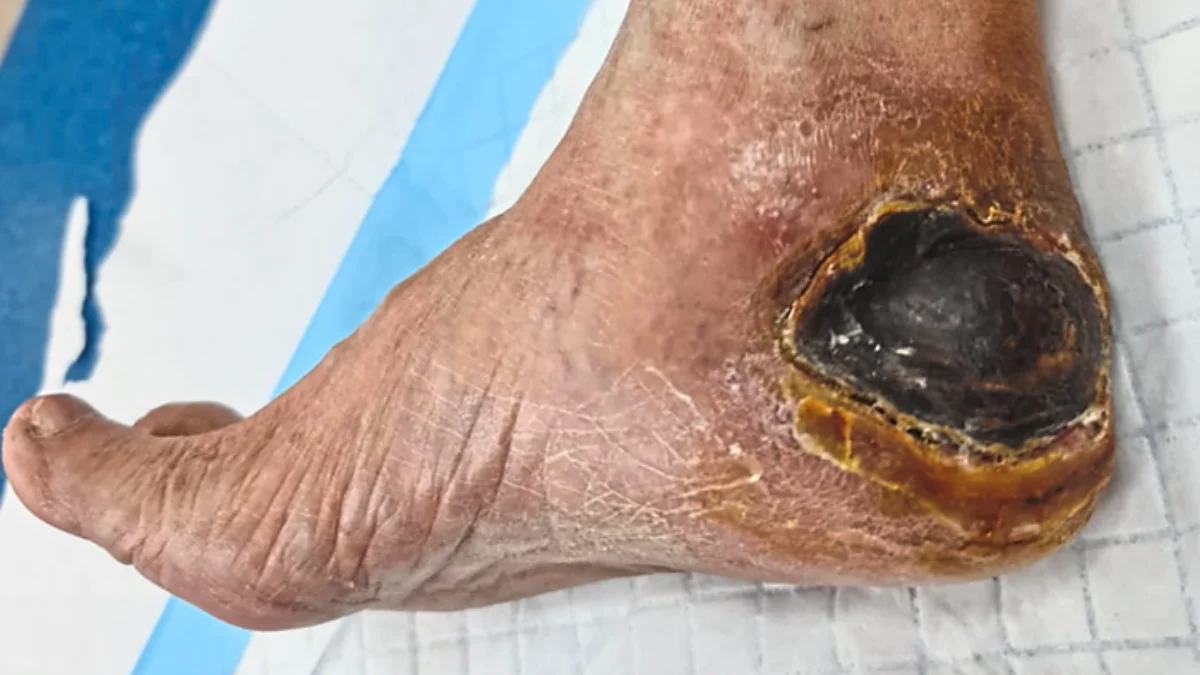
Managing Diabetic Foot Ulcers & Bedsores can be challenging for patients and caregivers, especially when wounds become chronic or take longer than expected to heal. People living with diabetes are at increased risk of developing foot wounds, while bedridden patients, elderly individuals, wheelchair users, and people with limited mobility may be vulnerable to bedsores.
Diabetic Foot Ulcers & Bedsores may initially appear minor, but without appropriate wound care and timely medical attention, they can become deeper, infected, and more difficult to manage.
Proper wound assessment, regular dressing, pressure relief, blood sugar management, nutrition, and professional medical guidance are important parts of wound management.
This guide explains the causes, symptoms, stages, treatment options, home care, and prevention of Diabetic Foot Ulcers & Bedsores in India.
What Are Diabetic Foot Ulcers?
A diabetic foot ulcer is an open wound or sore that develops on the foot of a person with diabetes. These wounds commonly occur on the bottom of the foot, heel, toes, or areas exposed to repeated pressure.
Diabetes can affect several processes involved in wound healing, including:
- Blood circulation
- Nerve function
- Immune response
- Skin healing
- Ability to detect pain or injuries
Diabetic neuropathy can reduce sensation in the feet. As a result, a person may not immediately notice a cut, blister, crack, or injury.
Without proper care, these minor injuries can develop into more serious diabetic foot ulcers.
What Are Bedsores?
Bedsores, also called pressure ulcers, pressure sores, or pressure injuries, occur when prolonged pressure reduces blood supply to an area of the skin and underlying tissue.
Bedsores commonly develop on areas such as:
- Heels
- Ankles
- Hips
- Buttocks
- Lower back
- Elbows
- Shoulder blades
People who remain in bed or a wheelchair for extended periods are particularly vulnerable.
Without appropriate pressure relief and wound care, bedsores can progress from skin redness to deeper wounds involving underlying tissues.
Diabetic Foot Ulcers & Bedsores: What Is the Difference?
Although Diabetic Foot Ulcers & Bedsores are both chronic wounds, their causes can differ.
Diabetic foot ulcers are commonly associated with diabetes-related neuropathy, reduced circulation, repeated pressure, foot injuries, and delayed wound healing.
Bedsores primarily develop because prolonged pressure restricts blood flow to the skin. Friction, moisture, limited mobility, and shear can further contribute to tissue damage.
Both types of wounds require timely assessment and appropriate wound management.
Why Are Diabetic Foot Ulcers Dangerous?
Untreated diabetic foot ulcers may lead to serious complications, including:
- Wound infection
- Bone infection (osteomyelitis)
- Gangrene
- Hospitalization
- Amputation
- Sepsis
- Increased healthcare costs
Early identification and appropriate treatment can help reduce the risk of complications.
Common Causes of Diabetic Foot Ulcers
1. Poor Blood Sugar Control
Persistently high blood glucose can affect blood vessels, nerves, and the body’s normal healing process.
2. Peripheral Neuropathy
Diabetic neuropathy can reduce sensation in the feet. Patients may therefore fail to notice cuts, blisters, burns, or other injuries.
3. Poor Blood Circulation
Reduced blood flow can limit the oxygen and nutrients reaching damaged tissues.
4. Improper Footwear
Tight or poorly fitting shoes may cause friction, blisters, pressure points, and injuries.
5. Foot Deformities
Conditions such as bunions, hammertoes, and calluses can create areas of increased pressure.
6. Smoking
Smoking can negatively affect circulation and may interfere with wound healing.
Common Causes of Bedsores
Bedsores commonly develop due to:
- Continuous pressure
- Friction
- Shear forces
- Excessive moisture
- Limited mobility
- Poor nutrition
- Advanced age
- Diabetes
- Prolonged bed rest
Identifying these risk factors early can help caregivers take preventive measures.
Early Warning Signs of Diabetic Foot Ulcers & Bedsores
Recognizing Diabetic Foot Ulcers & Bedsores early is important because wounds can become more difficult to treat as tissue damage progresses.
Signs of Diabetic Foot Ulcers
Watch for:
- Cuts that are not healing
- Blisters
- Foot swelling
- Redness
- Warm skin around the wound
- Drainage
- Unpleasant smell
- Dark or black tissue
- Fever associated with worsening wounds
Signs of Bedsores
Possible warning signs include:
- Persistent redness
- Skin discoloration
- Pain or tenderness
- Warm or unusually cool skin
- Blisters
- Open wounds
- Drainage or pus
Seek professional medical advice when a wound is worsening or shows signs of infection.
Stages of Diabetic Foot Ulcers
The severity of a diabetic foot ulcer depends on the depth and extent of tissue damage.
Stage 1
The affected area may show early skin changes.
Stage 2
A shallow open wound develops.
Stage 3
Damage extends deeper into the tissues.
Stage 4
The wound may involve deeper structures such as muscles, tendons, or bones.
Deeper wounds generally require more complex professional management.
Stages of Bedsores
Pressure ulcers are commonly classified according to the extent of tissue damage.
Stage 1
The skin remains intact but shows persistent discoloration or redness.
Stage 2
Partial skin loss or blistering may occur.
Stage 3
The wound extends into deeper tissue and fat.
Stage 4
Deep tissue damage may expose or involve muscles, tendons, or bones.
Prompt professional assessment is important when a pressure ulcer becomes deeper or shows signs of infection.
How Doctors Diagnose Diabetic Foot Ulcers & Bedsores
Healthcare professionals may assess the wound’s:
- Size
- Depth
- Location
- Drainage
- Surrounding skin
- Signs of infection
- Tissue condition
Depending on the patient’s condition, additional investigations may include:
- Blood glucose testing
- HbA1c testing
- Doppler blood flow studies
- X-rays
- MRI when deeper infection is suspected
- Wound culture
- Blood tests
A proper assessment helps healthcare professionals determine an appropriate treatment plan.
Treatment for Diabetic Foot Ulcers
Successful treatment usually requires managing both the wound and underlying diabetes.
1. Blood Sugar Management
Keeping blood glucose within the range recommended by a healthcare professional is an important part of diabetic wound management.
Patients may be advised to:
- Take prescribed medication
- Monitor glucose levels
- Follow dietary recommendations
- Attend regular medical appointments
- Exercise safely when medically appropriate
2. Professional Wound Cleaning
Dead or damaged tissue may need to be removed through a procedure called debridement.
Debridement may help create an environment that supports wound healing.
Deep wounds should not be aggressively cleaned or debrided at home without professional guidance.
3. Advanced Wound Dressings
Different wounds may require different types of dressings.
Depending on the wound, healthcare professionals may consider:
- Foam dressings
- Hydrogel dressings
- Alginate dressings
- Antimicrobial dressings
- Collagen dressings
- Hydrocolloid dressings
The appropriate dressing depends on factors such as wound depth, drainage, infection risk, tissue condition, and stage of healing.
4. Infection Management
If infection develops, treatment may include:
- Appropriate wound cleaning
- Antimicrobial dressings when indicated
- Oral antibiotics when prescribed
- IV antibiotics for certain serious infections
Antibiotics should be taken only when prescribed by a qualified healthcare professional.
5. Offloading Pressure
Reducing pressure on a diabetic foot ulcer is an important part of wound management.
Depending on the patient’s condition, healthcare professionals may recommend:
- Appropriate diabetic footwear
- Walking boots or other offloading devices
- Custom insoles
- Crutches
- Wheelchairs or mobility aids
Patients should follow professional advice regarding walking and weight-bearing on the affected foot.
Treatment for Bedsores
Treatment for bedsores focuses on relieving pressure, protecting the wound, and managing factors that may delay healing.
Treatment may involve:
- Regular repositioning
- Pressure-relieving mattresses
- Appropriate cushions
- Wound cleaning
- Moisture management
- Appropriate wound dressings
- Infection management
- Nutritional support
- Professional wound assessment
Severe pressure ulcers may require specialist treatment or surgical management.
Importance of Wound Dressing for Diabetic Foot Ulcers & Bedsores
Proper dressing plays an important role in managing Diabetic Foot Ulcers & Bedsores.
Depending on the wound and dressing selected, wound dressings can help:
- Protect the wound from contamination
- Manage wound fluid
- Maintain an appropriate healing environment
- Protect newly forming tissue
- Reduce friction
- Support wound management
The type and frequency of dressing changes should be determined according to the wound’s condition and professional medical advice.
Home Care Tips for Diabetic Foot Ulcers
People with diabetes should pay close attention to their feet.
Helpful practices include:
- Inspect both feet every day.
- Wash feet with lukewarm water.
- Dry the feet carefully, especially between the toes.
- Avoid walking barefoot.
- Wear appropriately fitting footwear.
- Wear clean socks.
- Manage blood sugar according to medical advice.
- Avoid applying unapproved substances to an open wound.
- Attend scheduled wound-care appointments.
If a wound is difficult to see, a mirror or assistance from a caregiver can help with daily inspection.
Home Care Tips for Bedsores
Caregivers can help reduce pressure and protect vulnerable skin by:
- Repositioning the patient regularly according to professional advice.
- Keeping skin clean and dry.
- Managing moisture and incontinence.
- Using recommended pressure-relieving surfaces.
- Checking vulnerable areas daily.
- Providing adequate food and fluids according to the patient’s medical needs.
- Following the prescribed dressing schedule.
- Reporting worsening wounds to a healthcare professional.
Nutrition for Wound Healing
Nutrition is an important part of recovery from Diabetic Foot Ulcers & Bedsores.
Important nutrients include:
Protein
Protein supports tissue repair.
Common sources include:
- Eggs
- Fish
- Chicken
- Paneer
- Lentils
- Soy products
Vitamin C
Vitamin C contributes to normal collagen formation.
Food sources include:
- Guava
- Amla
- Oranges
- Lemon
- Bell peppers
Zinc
Zinc contributes to normal immune function and tissue repair.
Sources include:
- Pumpkin seeds
- Nuts
- Whole grains
- Legumes
Iron
Iron supports normal oxygen transport in the body.
Sources include:
- Green leafy vegetables
- Beans
- Lean meat
People with diabetes or other medical conditions should discuss major dietary changes or supplements with their healthcare professional.
How to Prevent Diabetic Foot Ulcers
Preventive foot care can reduce the risk of diabetic wounds.
Patients should:
- Monitor blood sugar as advised.
- Inspect their feet daily.
- Wear appropriate footwear.
- Avoid walking barefoot.
- Trim nails carefully.
- Seek treatment for foot infections.
- Avoid smoking.
- Never ignore cuts, blisters, or wounds.
- Attend regular diabetes and foot-care appointments.
How to Prevent Bedsores
The risk of pressure ulcers can be reduced through:
- Regular repositioning
- Pressure-relieving mattresses and cushions
- Appropriate skin care
- Prompt management of moisture and incontinence
- Encouraging safe movement when possible
- Adequate nutrition
- Adequate hydration when medically appropriate
- Daily skin inspection
Caregivers should pay particular attention to heels, ankles, hips, buttocks, elbows, and other pressure-prone areas.
When Should You Seek Medical Care?
Diabetic Foot Ulcers & Bedsores should not be ignored, particularly if they are worsening.
Contact a healthcare professional promptly if you notice:
- Fever
- Increasing redness
- Swelling
- Foul smell
- Yellow or green drainage
- Dark or black tissue
- Increasing pain
- Rapidly worsening wound
- Bleeding that does not stop
- Signs of infection
- Poorly controlled blood sugar alongside a worsening wound
Early assessment can help identify complications and determine appropriate treatment.
Common Mistakes to Avoid
Some practices can delay proper wound management.
Avoid:
- Ignoring small cuts or wounds
- Walking barefoot with a diabetic foot wound
- Using home remedies on open wounds without medical advice
- Applying toothpaste, powders, or other unapproved substances directly to wounds
- Delaying medical assessment
- Missing recommended dressing changes
- Ignoring blood sugar management
- Wearing tight or poorly fitting footwear
- Smoking
Why Professional Care Matters for Diabetic Foot Ulcers & Bedsores
Chronic wounds can be complex and may require specialist assessment.
Professional wound care can help with:
- Wound assessment
- Dressing selection
- Infection evaluation
- Pressure management
- Monitoring healing progress
- Caregiver education
- Identifying complications
- Referral for advanced treatment when required
The appropriate treatment varies from patient to patient, which is why individualized assessment is important.
How Wound Guide Supports Patients Across India
Managing Diabetic Foot Ulcers & Bedsores can be physically, emotionally, and financially challenging for patients and their families.
Wound Guide aims to provide patients and caregivers across India with reliable wound-care information and guidance to help them understand chronic wounds and recognize warning signs.
Whether someone is dealing with diabetic foot ulcers, bedsores, pressure ulcers, surgical wounds, or other chronic wounds, timely professional care can make an important difference.
Understanding wound management, following an appropriate dressing plan, managing pressure, and seeking medical attention when warning signs develop can help patients make informed decisions about their care.
Conclusion
Diabetic Foot Ulcers & Bedsores are more than simple skin wounds. Without proper care, they may become chronic, infected, and increasingly difficult to manage.
Effective wound management may involve appropriate dressings, blood sugar management, pressure relief, good nutrition, regular monitoring, and professional medical care.
Patients with diabetes should inspect their feet regularly, while caregivers of bedridden or mobility-limited patients should monitor pressure-prone areas and follow appropriate repositioning practices.
If you or a loved one has a wound that is not healing or is showing signs of infection, seek professional medical assessment rather than waiting for the condition to worsen.
Early recognition and appropriate treatment of Diabetic Foot Ulcers & Bedsores can help reduce complications and support safer wound management.
The fastest way is timely wound cleaning, proper dressings, and medical guidance from wound care experts like those at Woundguide.org.
Yes, by regularly changing positions, using cushions, and keeping the skin clean and dry.
They can heal with proper care, but without treatment, they often recur.
Watch for signs like swelling, pus, foul odor, or increasing pain.
Yes, it provides nationwide wound care support through phone and online consultations.
Leave a Reply