
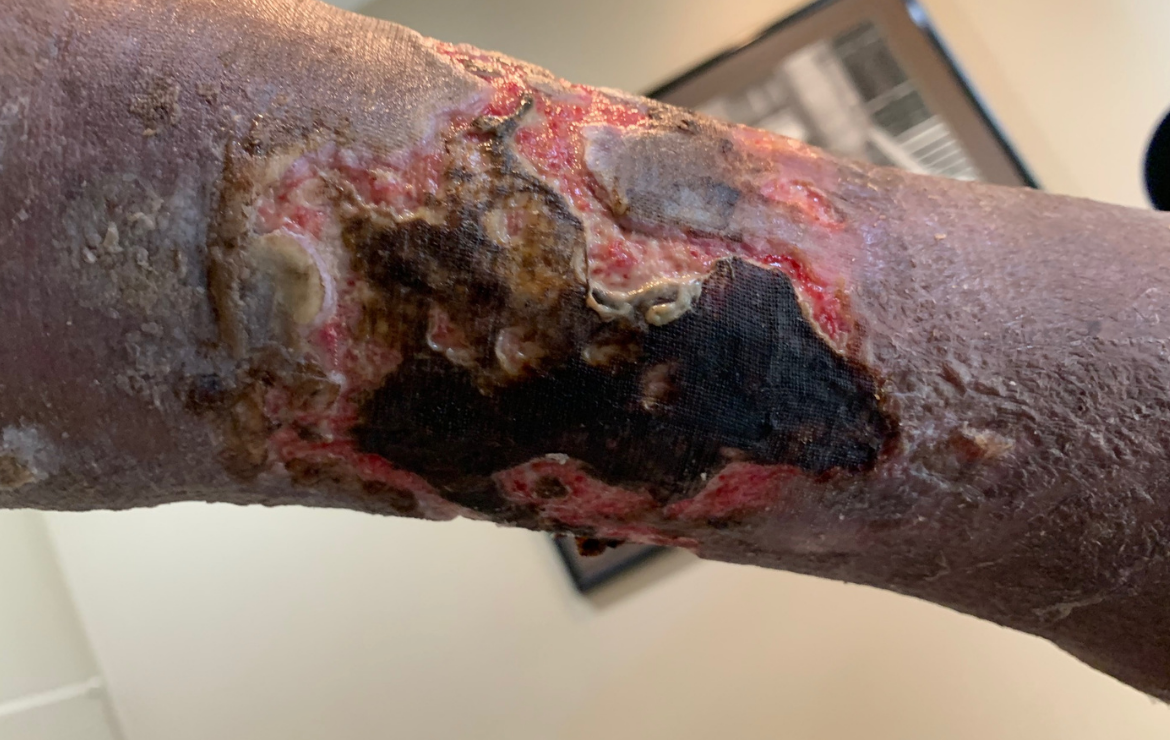
When a wound contains dead, damaged, or infected tissue, it may have difficulty healing properly. In such cases, healthcare professionals may recommend wound debridement to remove unhealthy tissue and create a better environment for healing.
There are several wound debridement types, and the most appropriate method depends on the wound’s size, depth, location, amount of dead tissue, infection risk, and the patient’s overall health.
Understanding the different debridement methods can help patients and caregivers know what to expect during wound treatment and why a healthcare professional may recommend one technique over another.
Important: Wound debridement should be performed or guided by an appropriately trained healthcare professional. The correct method depends on an individual wound assessment.
What Is Wound Debridement?
Wound debridement is the process of removing dead, damaged, contaminated, or infected tissue from a wound.
Dead tissue, also called necrotic tissue, can interfere with healing and may provide an environment where bacteria can grow. Removing unhealthy tissue can help healthcare professionals assess the wound more clearly and support the body’s natural healing process.
Debridement may be considered for several types of wounds, including:
- Diabetic foot ulcers
- Pressure ulcers or bedsores
- Venous leg ulcers
- Traumatic wounds
- Chronic non-healing wounds
- Some surgical wounds
- Wounds containing necrotic tissue
Not every wound requires debridement. A healthcare professional should first determine whether dead or unhealthy tissue is present and whether removing it is appropriate.
Why Is Wound Debridement Important?
A wound may struggle to heal when dead tissue remains over or inside the wound bed.
Debridement can help by:
- Removing dead tissue
- Reducing sources of bacterial contamination
- Allowing better assessment of the wound
- Supporting the development of healthy tissue
- Helping wound dressings work more effectively
- Addressing some barriers to normal wound healing
However, debridement is only one part of wound management. Depending on the underlying cause, treatment may also involve pressure relief, infection management, blood-flow assessment, nutritional support, blood-glucose management, compression therapy, or other medical interventions.
Wound Debridement Types
There are several wound debridement types used in clinical practice. Each method works differently and has advantages and limitations.
The main types include:
- Sharp debridement
- Surgical debridement
- Mechanical debridement
- Autolytic debridement
- Enzymatic debridement
- Biological debridement
Let’s understand each method in more detail.
1. Sharp Debridement
Sharp debridement involves removing unhealthy tissue with instruments such as a scalpel, scissors, or curette.
A trained healthcare professional carefully removes devitalized tissue while attempting to preserve healthy tissue.
Depending on the wound and the amount of tissue involved, sharp debridement may be performed at the bedside or in another clinical setting.
When Is Sharp Debridement Used?
It may be considered when:
- A wound contains clearly defined dead tissue.
- Rapid removal is needed.
- Necrotic tissue is interfering with healing.
- The wound requires better visualization.
- Other debridement approaches are too slow.
Benefits
One of the main advantages is that it can remove unhealthy tissue relatively quickly.
It can also allow the clinician to examine the underlying wound more accurately.
Possible Discomfort
Sharp debridement can cause discomfort or pain. Depending on the wound and procedure, a healthcare professional may use appropriate pain-control measures.
2. Surgical Debridement
Surgical debridement is a more extensive form of sharp debridement performed in a surgical setting when a wound requires significant tissue removal.
It may be considered when there is extensive necrotic tissue, serious infection, or deeper tissue involvement.
During the procedure, a surgeon removes unhealthy tissue to reach viable tissue and address the wound appropriately.
When May Surgical Debridement Be Required?
It may be considered when:
- There is extensive tissue damage.
- The wound is deep.
- There is severe infection.
- Necrotic tissue extends into deeper structures.
- Rapid source control is medically necessary
The exact approach depends on the wound and the patient’s condition.
3. Mechanical Debridement
Mechanical debridement uses physical methods to remove dead tissue from a wound.
Examples can include:
- Wound irrigation
- Certain types of wound-cleansing techniques
- Specialized mechanical wound treatments
- Some dressing-based approaches
Historically, wet-to-dry dressings have also been used for mechanical debridement, although their use depends on current clinical practice and the individual wound.
How Does It Work?
Mechanical force helps separate and remove non-viable tissue from the wound.
One limitation is that some mechanical methods may not distinguish perfectly between dead and healthy tissue. Therefore, the method should be selected and performed appropriately.
Advantages
Does not necessarily require surgical equipment.
Can be useful in selected wounds.
May help remove loose debris and devitalized tissue.
Limitations
Some methods can be uncomfortable and may potentially damage healthy tissue. A healthcare professional should determine whether mechanical debridement is appropriate.
4. Autolytic Debridement
Autolytic debridement uses the body’s natural enzymes and immune processes to break down dead tissue.
Specialized wound dressings help maintain an appropriate moist environment, allowing the body’s own mechanisms to gradually separate non-viable tissue.
This is generally considered a slower approach than sharp debridement.
How Does Autolytic Debridement Work?
The wound is covered with an appropriate dressing that maintains conditions favorable to the body’s natural breakdown of dead tissue.
Over time, the devitalized tissue becomes softer and can be removed as the wound progresses.
Benefits
Autolytic debridement can:
- Be relatively gentle
- Cause less discomfort for some patients
- Preserve healthy tissue
- Be useful when rapid debridement is not required
Limitations
The process can take longer and may not be appropriate for wounds requiring urgent removal of infected or necrotic tissue.
It may also require careful monitoring to ensure the wound does not deteriorate.
5. Enzymatic Debridement
Enzymatic debridement uses topical enzymes to break down specific components of dead tissue.
These products are applied directly to the wound according to professional instructions.
When Is It Used?
Enzymatic debridement may be considered when:
- Necrotic tissue needs to be removed gradually.
- Sharp debridement is difficult or unsuitable.
- A wound contains specific types of devitalized tissue.
- A selective approach is preferred.
Benefits
One potential advantage is that enzymatic agents can target certain components of necrotic tissue while generally causing less mechanical trauma than some physical methods.
Important Consideration
Enzymatic products are not suitable for every wound. They should only be used when recommended by an appropriate healthcare professional.
6. Biological Debridement
Biological debridement, also called biosurgical debridement, uses specially prepared sterile larvae to remove dead tissue.
The larvae release enzymes that help break down necrotic tissue and then consume the degraded material.
Although this approach may sound unusual, it has been used in specialized wound care for selected wounds.
Potential Benefits
Biological debridement may:
- Help remove necrotic tissue
- Be relatively selective for devitalized tissue
- Support wound-bed preparation in selected cases
Limitations
Not every patient or wound is suitable for this method. Availability can also vary between healthcare settings.
A wound specialist can determine whether biological debridement is appropriate.
How Do Doctors Choose the Right Debridement Method?
There is no single debridement method that is best for every wound.
Healthcare professionals may consider:
Wound Depth
A superficial wound may require a different approach from a deep wound involving multiple tissue layers.
Amount of Necrotic Tissue
The quantity and type of dead tissue can influence which method is appropriate.
Infection
A wound with serious infection may require prompt intervention rather than a slow debridement approach.
Location
The wound’s location can affect the choice of treatment, especially when important structures are nearby.
Blood Supply
Poor circulation can significantly affect healing and may need to be addressed as part of the overall treatment plan.
Pain and Patient Comfort
The healthcare team may consider pain levels, sensitivity, and the patient’s ability to tolerate different procedures.
Overall Health
Conditions such as diabetes, vascular disease, reduced mobility, or nutritional deficiencies can influence wound management.
What Happens During Wound Debridement?
The exact process depends on the type of debridement being performed.
Generally, the healthcare professional will first assess the wound.
The assessment may include:
- Wound size
- Wound depth
- Tissue type
- Drainage
- Surrounding skin
- Signs of infection
- Blood circulation
- Pain or sensation
The wound may then be cleaned before the selected debridement technique is performed.
Afterward, an appropriate dressing may be applied.
The healthcare professional may also provide instructions about wound cleaning, dressing changes, pressure relief, activity, and follow-up care.
Does Wound Debridement Hurt?
Pain varies significantly depending on:
- Type of debridement
- Wound location
- Wound depth
- Nerve sensitivity
- Amount of tissue removed
- Individual pain tolerance
Some techniques may cause little discomfort, while sharp or surgical procedures can be more uncomfortable.
Tell your healthcare professional if you experience pain during wound treatment. Appropriate pain-management strategies may be available depending on the procedure and your medical condition.
Risks and Possible Complications
Like other medical procedures, debridement can have potential risks.
Possible complications may include:
- Pain
- Bleeding
- Damage to healthy tissue
- Infection
- Delayed healing
- Wound enlargement after removal of dead tissue
- Allergic or local reactions to certain topical products
The risks depend on the wound and the type of debridement used.
This is why debridement should not be attempted at home using sharp instruments.
Wound Care After Debridement
Debridement does not mean the wound is immediately healed. After unhealthy tissue has been removed, ongoing wound care is usually required.
Your healthcare provider may recommend:
Appropriate Dressings
The type of dressing depends on wound characteristics such as drainage, depth, and tissue type.
Regular Wound Assessment
The wound should be monitored for changes in size, tissue appearance, drainage, pain, and surrounding skin.
Infection Management
If an infection is suspected or confirmed, appropriate medical treatment may be necessary.
Pressure Relief
For pressure ulcers, reducing pressure on the affected area is essential.
Blood Sugar Management
People with diabetes should follow their healthcare team’s recommendations for blood-glucose management because diabetes can affect wound healing.
Nutritional Support
Adequate protein, calories, fluids, vitamins, and minerals can support overall tissue repair.
How Long Does a Wound Take to Heal After Debridement?
There is no fixed healing time after debridement.
Healing depends on:
- Wound size
- Wound depth
- Underlying cause
- Blood circulation
- Infection
- Nutrition
- Diabetes
- Age
- Overall health
- Pressure or friction affecting the wound
- Quality of ongoing wound care
Some wounds may show improvement relatively quickly, while chronic wounds can take weeks or months to heal.
Debridement can help remove barriers to healing, but it does not guarantee immediate closure of the wound.
When Should You Seek Medical Help?
Contact a healthcare professional if you notice:
- Increasing wound pain
- Spreading redness
- Increased swelling
- Pus-like drainage
- Foul odor
- Fever or chills
- Black or rapidly changing tissue
- Increasing wound size or depth
- Bleeding that does not stop
- New loss of sensation
- A wound that is not improving
People with diabetes, poor circulation, significant mobility limitations, or chronic wounds may require particularly careful monitoring.
Can You Perform Wound Debridement at Home?
You should not attempt sharp or surgical debridement yourself.
Using scissors, blades, knives, or other sharp objects to remove tissue can cause bleeding, damage healthy tissue, introduce infection, and make the wound worse.
Some wound-care treatments may be performed at home when specifically prescribed or instructed by a healthcare professional. However, the treatment should be based on an assessment of the individual wound.
Wound Debridement Types: Quick Comparison
- Debridement Type How It Works Typical Characteristic
- Sharp Removes unhealthy tissue with instruments Relatively rapid
- Surgical More extensive tissue removal in a surgical setting Used for deeper/extensive wounds
- Mechanical Uses physical force to remove tissue May be useful in selected wounds
- Autolytic Uses the body’s natural processes Gentle but slower
- Enzymatic Uses topical enzymes Selective breakdown of necrotic tissue
- Biological Uses sterile larvae Specialized option for selected wounds
Conclusion
Understanding the different wound debridement types can help patients and caregivers understand why a healthcare professional may recommend tissue removal as part of wound management.
The major approaches include sharp, surgical, mechanical, autolytic, enzymatic, and biological debridement. Each method has different benefits, limitations, and appropriate uses.
The right choice depends on the wound’s characteristics, the patient’s health, the presence of infection, circulation, pain, and other factors. Debridement is only one component of comprehensive wound care, and successful healing may also require appropriate dressings, infection management, pressure relief, nutritional support, and treatment of underlying conditions.
If you have a chronic, diabetic, pressure-related, infected, or non-healing wound, consult a qualified healthcare professional or wound-care specialist for an individualized assessment and treatment plan
Leave a Reply