
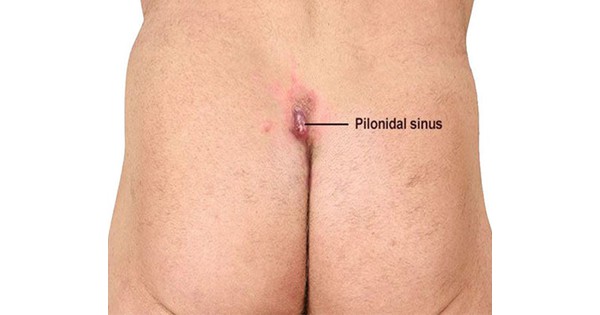
A Pilonidal Sinus can begin as a small, easily overlooked problem near the tailbone but may become painful when it becomes inflamed or infected. Some people first notice tenderness while sitting, while others discover a small opening, swelling, or drainage at the top of the buttock crease.
Although the location can make the condition uncomfortable to discuss, pilonidal disease is a recognised medical problem and is treatable. Management depends on whether there is an acute abscess, persistent drainage, recurrent disease, or only minor symptoms.
Understanding the condition is particularly important because simply treating an infection does not always eliminate the underlying sinus. Some people experience repeated episodes and eventually require a procedure to address the sinus tract itself.
This guide explains Pilonidal Sinus causes, symptoms, diagnosis, treatment, surgery, recovery, wound care, and recurrence prevention in straightforward language.
What Is a Pilonidal Sinus?
A Pilonidal Sinus is a small tunnel, pit, or tract that develops in the skin, most commonly in the cleft between the buttocks near the tailbone.
The term “pilonidal” comes from words relating to hair and a nest, reflecting the association between the condition and hair becoming embedded in the skin.
Current understanding generally considers pilonidal disease an acquired condition rather than something most people are born with.
Loose or broken hairs can become driven into the skin through friction and movement. The body may react to these hairs as foreign material, causing inflammation.
Over time, this process may produce:
- Small pits in the skin
- A sinus tract beneath the skin
- Persistent or intermittent drainage
- Inflammation
- Infection
- A painful abscess
Some people have a pilonidal sinus without significant symptoms until infection develops.
Where Does a Pilonidal Sinus Develop?
The most typical location is the natal cleft, which is the groove between the buttocks.
Small openings or pits are often found near the midline of this area.
Because the cleft is subject to friction, pressure, moisture, movement, and accumulation of loose hair, it provides conditions that may contribute to development of pilonidal disease.
What Causes a Pilonidal Sinus?
There is not always one single cause.
Pilonidal disease is thought to develop through a combination of loose hair, friction, pressure, skin characteristics, and the anatomy of the buttock cleft.
Hair can become trapped or penetrate the skin. The body’s inflammatory response may then create a small cavity or tract.
Repeated movement and friction may allow additional hairs and debris to enter, maintaining inflammation.
Factors That May Contribute Include:
- Loose or coarse body hair
- A deep natal cleft
- Repeated friction
- Pressure around the buttock crease
- Long periods of sitting
- Local sweating and moisture
- Skin irritation
Importantly, pilonidal disease should not simply be described as being caused by poor hygiene.
Keeping the area clean can be part of management, but the disease has multiple contributing factors.
Who Is More Likely to Develop Pilonidal Sinus?
Pilonidal disease is particularly common among adolescents and young adults, although it can occur outside this age range.
Factors associated with an increased risk can include:
- Young Age
- The condition frequently develops after puberty and in younger adults.
- Male Sex
- Pilonidal disease is more frequently reported in males, although females can also develop it.
- Body Hair
- People with coarse or abundant body hair may have an increased risk.
- Prolonged Sitting
Long periods of sitting may increase pressure and friction in the affected area.
This can be particularly relevant to:
- Office workers
- Professional drivers
- Students
- People with sedentary lifestyles
- Excess Body Weight
Obesity may contribute to deeper skin folds, friction, sweating, and other conditions associated with pilonidal disease.
However, people of any body size can develop a pilonidal sinus.
What Are the Symptoms of Pilonidal Sinus?
Symptoms depend on whether the sinus is inactive, chronically inflamed, or acutely infected.
Some people initially notice little more than a small pit or opening.
Early or Mild Symptoms
Possible signs include:
- Small pits near the top of the buttock cleft
- Mild tenderness
- Local irritation
- Discomfort when sitting
- Occasional drainage
- Symptoms of an Infected Pilonidal Sinus
When infection or an abscess develops, symptoms may become much more noticeable.
These can include:
- Increasing pain
- A tender lump
- Redness
- Swelling
- Warmth
- Pus
- Blood-stained drainage
- Unpleasant-smelling discharge
- Difficulty sitting comfortably
Some people may also develop fever or feel generally unwell, particularly with a more significant infection.
What Is a Pilonidal Abscess?
A pilonidal abscess occurs when infection leads to a collection of pus beneath the skin.
It can cause rapid development of:
- Severe pain
- Swelling
- Redness
- Tenderness
- Difficulty sitting
An acute abscess generally requires prompt medical assessment.
One of the main treatments for an acute pilonidal abscess is incision and drainage, in which the collection of pus is opened and drained.
Antibiotics alone generally do not replace drainage when a significant abscess is present.
Pilonidal Sinus vs Pilonidal Cyst
The terms pilonidal sinus, pilonidal cyst, and pilonidal disease are frequently used interchangeably in everyday conversation.
Technically, a sinus describes a tract or tunnel extending beneath the skin.
A cyst refers to a closed sac-like structure.
Because pilonidal disease frequently consists of pits, sinus tracts, inflammation, abscesses, and embedded hair rather than a simple true cyst, pilonidal disease is often a more useful overall term.
How Is Pilonidal Sinus Diagnosed?
Diagnosis is usually based on a physical examination.
A healthcare professional may examine the buttock cleft for:
- Midline pits
- Sinus openings
- Swelling
- Redness
- Drainage
- An abscess
- Previous surgical scars
- Signs of recurrent disease
The clinician may also ask about:
- Duration of symptoms
- Previous infections
- Previous abscess drainage
- Previous surgery
- Pain
- Drainage
- Recurrence
Imaging is generally unnecessary in straightforward cases.
However, additional investigation may occasionally be considered if the presentation is unusual, disease is particularly complex, or another diagnosis needs to be excluded.
Conditions That Can Resemble Pilonidal Disease
Not every painful or draining wound around the buttocks is a pilonidal sinus.
Other conditions can sometimes produce similar symptoms.
These may include:
- Skin abscesses
- Hidradenitis suppurativa
- Infected skin conditions
- Perianal fistula
- Other inflammatory or infectious conditions
This is another reason persistent or recurrent drainage should be professionally evaluated rather than self-diagnosed.
Treatment for Pilonidal Sinus
There is no single treatment that is best for every person.
Treatment depends on whether the disease is:
- Asymptomatic
- Mildly symptomatic
- Acutely infected
- Associated with an abscess
- Chronically draining
- Recurrent
- Complex
The aim is to control infection when present, address persistent sinus disease when necessary, support wound healing, and reduce recurrence.
1. Management of Pilonidal Disease Without an Abscess
A pilonidal sinus that is not acutely infected may not always require immediate surgery.
A healthcare professional may recommend measures such as:
- Keeping the area appropriately clean
- Minimising accumulation of loose hair
- Reducing excessive friction
- Monitoring for infection
- Managing contributing factors
Hair control may be considered in selected patients, but the appropriate method should be discussed with a healthcare professional, particularly when there is an active wound.
Do not shave directly across an open or inflamed wound without professional advice.
2. Treatment of a Pilonidal Abscess
A painful pilonidal abscess generally needs medical treatment.
The usual approach is incision and drainage.
During this procedure, a healthcare professional creates an opening that allows pus and infected material to drain.
This can relieve pressure and pain and allow the acute infection to settle.
The wound may then require ongoing dressing and wound care while it heals.
It is important to understand that drainage treats the abscess, but underlying pits or sinus tracts can remain.
For this reason, some people experience another episode later.
Are Antibiotics Needed for Pilonidal Sinus?
Antibiotics are not automatically required for every pilonidal sinus or abscess.
A clinician may consider antibiotics when there are indications such as spreading skin infection, systemic illness, or other specific clinical circumstances.
For an established abscess, antibiotics generally do not substitute for adequate drainage.
Do not start leftover antibiotics or use antibiotics without medical advice.
3. Surgery for Chronic or Recurrent Pilonidal Sinus
People with persistent drainage, repeated abscesses, or recurrent disease may be referred for surgical treatment.
There are several approaches, and the best option depends on disease extent, previous treatment, surgeon expertise, and individual circumstances.
Excision With Open Healing
The diseased tissue can be surgically removed and the wound left open to heal gradually.
A potential advantage is avoiding a closed incision directly in a problematic area.
However, healing can take longer and regular wound care may be required.
Excision With Closure
After removal of diseased tissue, the surgical wound may be closed.
Modern surgical approaches generally aim to avoid placing the final scar directly in the deepest part of the natal cleft when possible.
Off-Midline Closure and Flap Procedures
For certain chronic, extensive, or recurrent cases, surgeons may use procedures designed to flatten or shift the natal cleft and move the surgical incision away from the midline.
Examples include:
- Karydakis procedure
- Bascom cleft-lift
- Limberg flap
The appropriate technique depends on the individual case and surgical expertise.
4. Minimally Invasive Pilonidal Sinus Treatment
Selected patients may be candidates for less invasive approaches.
Depending on local availability and disease characteristics, these can include techniques involving:
- Removal or cleaning of pits and sinus tracts
- Endoscopic treatment
- Other limited surgical procedures
Potential advantages can include smaller wounds and quicker recovery in appropriately selected cases.
However, minimally invasive treatment is not automatically suitable for every patient, particularly when disease is extensive or complex.
A colorectal or general surgeon experienced in pilonidal disease can discuss appropriate options.
Wound Care After Pilonidal Sinus Surgery
Good postoperative wound care is important whether the wound is left open or closed.
Instructions vary significantly depending on the procedure.
General principles may include:
- Keeping the wound appropriately clean
- Following dressing instructions
- Changing dressings as directed
- Monitoring drainage
- Protecting surrounding skin
- Watching for infection
- Avoiding unnecessary pressure on the wound
- Attending scheduled follow-up appointments
If the wound is open, dressing requirements may continue for several weeks.
Patients and caregivers should receive clear instructions about how the wound should be cleaned and dressed.
Sitting After Pilonidal Sinus Surgery
Many people worry about when they can sit normally again.
There is no universal waiting period.
The answer depends on:
- Type of procedure
- Wound location
- Whether the wound is open or closed
- Pain
- Healing progress
- Your surgeon’s instructions
Avoid prolonged pressure if it causes pain or has been restricted by your surgical team.
Gradually returning to normal activity according to medical advice is preferable to following a fixed timeline found online.
How Long Does Pilonidal Sinus Surgery Take to Heal?
Recovery time varies considerably.
A smaller procedure may allow a relatively quick return to normal activities, while an open surgical wound can take considerably longer to heal completely.
Healing is influenced by:
- Surgical technique
- Size and depth of the wound
- Infection
- Previous surgery
- Wound care
- Smoking
- Nutrition
- General health
- Individual healing response
Therefore, it is more useful to monitor healing progress than expect every pilonidal wound to close within the same number of weeks.
Signs of Infection After Pilonidal Sinus Surgery
Contact your healthcare provider if you develop concerning changes such as:
- Increasing pain
- Increasing redness
- Increasing swelling
- New or worsening pus
- Foul-smelling drainage
- Fever
- Wound separation
- Increasing bleeding
- Feeling generally unwell
Some drainage can be expected with certain open wounds, so follow the specific instructions provided by your surgical or wound-care team.
Why Does Pilonidal Sinus Come Back?
Recurrence is one of the biggest concerns associated with pilonidal disease.
It can recur if:
Sinus pits or tracts remain
- New hair penetrates the skin
- The natal cleft remains deep and prone to friction
- The wound does not heal adequately
- Disease is extensive
- Additional sinus tracts develop
- Surgical technique can also influence recurrence risk.
This is why treatment planning should focus not only on closing the existing wound but also on reducing factors that can contribute to future disease.
How to Prevent Pilonidal Sinus Recurrence
There is no strategy that guarantees pilonidal sinus recurrence will never return.
However, several measures may help reduce risk.
Keep the Area Clean
Follow your healthcare provider’s instructions regarding washing and wound hygiene.
Once healed, routine hygiene can help prevent accumulation of loose hair and debris.
Control Loose Hair When Recommended
Hair management may be recommended after treatment.
Options can include clipping or other approaches depending on the wound and clinical advice.
What About Laser Hair Removal?
Laser hair epilation has become an important area of interest in preventing recurrent pilonidal disease.
Research suggests that laser epilation used as an additional treatment may help reduce recurrence in some patients.
It may be particularly worth discussing with a healthcare professional for people who have recurrent disease or significant hair in the natal cleft.
It is not the same as trying to shave an active wound at home.
Reduce Prolonged Pressure
If your routine involves sitting for many hours, regular movement breaks can reduce continuous pressure and friction around the buttock cleft.
Maintain a Healthy Weight
When appropriate, maintaining a healthy body weight may help reduce deep skin folds, friction, and moisture.
Weight is only one of several risk factors and should not be considered the sole cause of the condition.
Follow Postoperative Instructions
After surgery, follow the surgeon’s recommendations regarding:
- Wound care
- Showering
- Dressings
- Activity
- Sitting
- Exercise
- Hair management
- Return to work
Small differences in postoperative care can matter depending on the specific operation performed.
Living With a Pilonidal Sinus
Chronic pilonidal disease can affect more than physical comfort.
Repeated pain or drainage can interfere with:
- Sitting at work
- Driving
- Studying
- Exercise
- Sleep
- Social activities
- Daily routines
Some people also worry about wound odor or drainage staining their clothing.
If symptoms repeatedly affect everyday life, continuing to manage each flare-up without further assessment may not be the best long-term approach.
A surgical consultation can help determine whether definitive treatment is appropriate.
When Should You See a Doctor?
Seek medical attention if you notice:
- A painful lump near the tailbone
- Increasing swelling
- Redness and warmth
- Pus
- Bloody drainage
- Persistent discharge
- Fever
- Rapidly worsening pain
- Repeated episodes in the same area
A painful, swollen abscess should not be squeezed, punctured, or drained at home.
Professional drainage is safer and allows the area to be properly assessed.
Final Thoughts
A Pilonidal Sinus is a tract or pit that commonly develops near the top of the buttock cleft and can become inflamed, infected, or form a painful abscess.
Treatment should be based on the type and severity of disease.
An acute pilonidal abscess commonly requires drainage, while chronic or recurrent pilonidal disease may need surgical or minimally invasive treatment. Antibiotics have a role in selected infections but should not be considered a replacement for drainage of an established abscess or definitive management of persistent sinus disease.
After treatment, appropriate wound care and recurrence prevention remain important. Hair management, reducing prolonged pressure, following postoperative instructions, and discussing laser hair epilation when appropriate may help selected patients.
Most importantly, do not ignore repeated pain or drainage near the tailbone. Early professional assessment can identify whether you are dealing with an acute abscess, chronic sinus, or recurrent pilonidal disease and help determine the most appropriate route to lasting relief.
Leave a Reply