
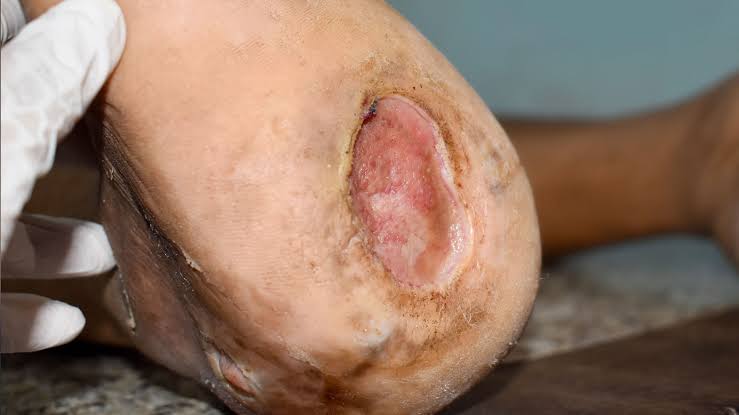
Pressure ulcers are a common yet preventable type of skin injury that develops when constant pressure reduces blood flow to the skin and underlying tissues. Also known as bedsores or pressure sores, these wounds typically affect people who spend long periods in bed, use wheelchairs, or have limited mobility.
Without timely care, Pressure Ulcers can progress from mild skin discoloration to deep wounds involving muscles and bones. Learning about their causes, stages, and risk factors is the first step toward effective prevention and treatment.
What Are Pressure Ulcers?
Pressure ulcers are localized injuries to the skin and underlying tissues caused by prolonged pressure, friction, or shear. These wounds commonly appear over bony areas where the body presses against a bed, chair, or other surface.
The most frequently affected areas include:
- Heels
- Ankles
- Hips
- Tailbone (sacrum)
- Elbows
- Shoulder blades
- Back of the head
Individuals with reduced mobility are especially vulnerable because they cannot change positions frequently enough to relieve pressure.
Common Causes of Pressure Ulcers
Several factors contribute to the development of Pressure Ulcers. Understanding these causes helps reduce the risk of skin damage.
1. Continuous Pressure
When pressure remains on one area for an extended period, blood circulation decreases. Without adequate oxygen and nutrients, skin cells begin to die, leading to ulcer formation.
2. Friction
Repeated rubbing between the skin and bedding, clothing, or wheelchair surfaces can damage the outer layer of the skin, making it more susceptible to injury.
3. Shearing
Shear occurs when the skin stays in place while deeper tissues move. This often happens when a patient slides down in bed, causing damage beneath the skin that may not be immediately visible.
4. Excess Moisture
Sweat, urine, feces, or wound drainage can soften the skin and weaken its protective barrier. Moist skin is more likely to break down under pressure.
5. Poor Nutrition
Protein deficiency, dehydration, and inadequate intake of vitamins and minerals reduce the skin’s ability to repair itself and slow the healing process.
Stages of Pressure Ulcers
Healthcare professionals classify Pressure Ulcers into four stages based on the depth and severity of tissue damage.
Stage 1: Early Skin Damage
The skin remains intact but appears red or discolored and does not return to its normal color when pressed.
Symptoms include:
- Persistent redness
- Warm or cool skin
- Mild swelling
- Tenderness or discomfort
Early treatment at this stage can completely prevent further progression.
Stage 2: Partial Skin Loss
The outer skin layer and part of the deeper skin layer become damaged.
Signs include:
- Open sore
- Blister
- Shallow wound
- Pain around the affected area
Proper wound care is essential to prevent infection.
Stage 3: Deep Tissue Injury
The ulcer extends through the skin into the fat layer beneath.
Common characteristics include:
- Deep crater-like wound
- Visible fatty tissue
- Possible dead tissue
- Increased risk of infection
Medical treatment is usually necessary.
Stage 4: Extensive Tissue Loss
This is the most severe stage, where the wound reaches muscles, tendons, ligaments, or bone.
Complications may include:
- Bone infection
- Severe tissue damage
- Delayed healing
- Surgical intervention
- Higher risk of life-threatening infections
Immediate medical care is essential.
Risk Factors for Pressure Ulcers
Certain medical conditions and lifestyle factors increase the likelihood of developing Pressure Ulcers.
Limited Mobility
People confined to beds or wheelchairs are unable to shift their weight regularly, resulting in prolonged pressure on vulnerable areas.
Advanced Age
Older adults have thinner, less elastic skin and reduced blood circulation, increasing their risk of skin breakdown.
Chronic Health Conditions
Diseases such as diabetes, peripheral artery disease, kidney disease, and neurological disorders can reduce blood flow and delay wound healing.
Malnutrition and Dehydration
Insufficient protein, calories, vitamins, and fluids weaken skin integrity and impair tissue repair.
Incontinence
Frequent exposure to urine or stool increases moisture and skin irritation, making pressure injuries more likely.
Reduced Sensation
Individuals with spinal cord injuries or diabetic neuropathy may not notice pain or discomfort, allowing ulcers to worsen unnoticed.
Body Weight
Both obesity and being underweight can increase pressure on bony areas and reduce the body’s natural cushioning.
Smoking
Smoking decreases oxygen delivery to tissues and slows wound healing, increasing the risk of pressure-related injuries.
Medical Equipment
Devices such as oxygen masks, braces, casts, and catheters can create constant pressure on specific areas of the body.
How to Prevent Pressure Ulcers
Most Pressure Ulcers can be prevented through proper care and regular monitoring.
Reposition Frequently
- Turn bedridden patients every two hours.
- Encourage wheelchair users to shift their weight every 15–30 minutes.
Use Pressure-Relieving Surfaces
Pressure-distributing mattresses, cushions, heel protectors, and overlays help reduce prolonged pressure on vulnerable areas.
Maintain Healthy Skin
Keep the skin clean, dry, and moisturized. Inspect high-risk areas daily for redness or early signs of damage.
Eat a Balanced Diet
Adequate protein, vitamins, zinc, and proper hydration support healthy skin and faster wound healing.
Encourage Safe Movement
Even small changes in body position improve blood circulation and reduce continuous pressure on the skin.
Treat Early Signs Immediately
Prompt wound assessment and appropriate dressings can prevent minor skin damage from developing into severe ulcers.
Why Early Detection Matters
Early identification of Pressure Ulcers significantly improves healing outcomes. Regular skin assessments by caregivers and healthcare professionals help detect early changes before wounds become severe.
Seeking timely medical attention reduces the risk of infection, hospitalization, and long-term complications.
Also Read: Essential Tips to Prevent Pressure Ulcers in Bedridden Patients
Conclusion
Pressure Ulcers are serious but largely preventable injuries that affect people with limited mobility and chronic health conditions. Recognizing the causes, understanding the four stages, identifying risk factors, and following preventive measures can greatly reduce the likelihood of these wounds developing.
Early intervention, proper nutrition, regular repositioning, skin care, and appropriate medical treatment all play a vital role in improving healing and maintaining overall patient well-being.
Leave a Reply