
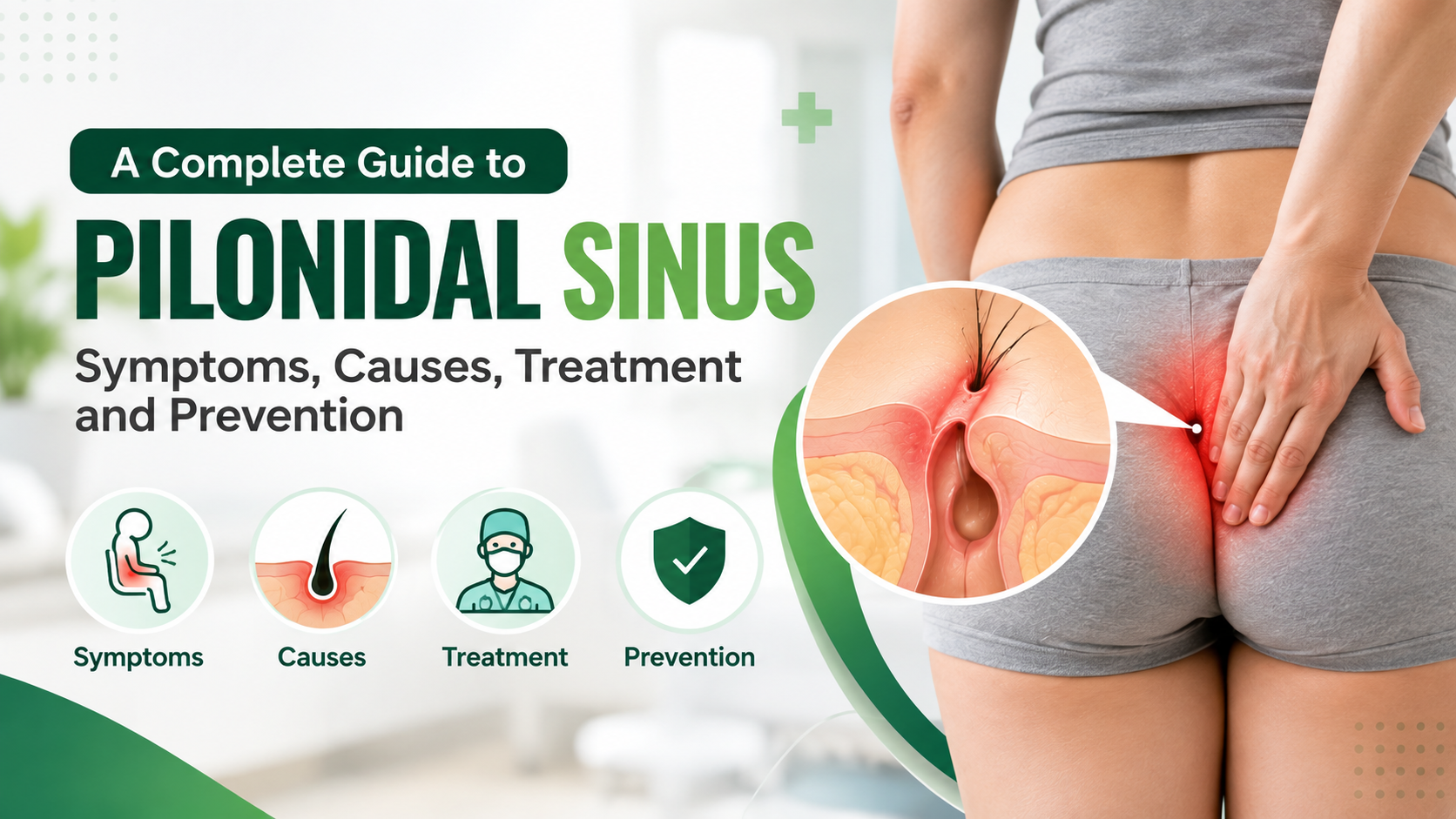
A Pilonidal Sinus is a small tunnel, pit, or tract that usually develops in the cleft between the buttocks near the tailbone. Pilonidal sinus may remain relatively quiet at first, but inflammation or infection can cause pain, swelling, drainage, and sometimes a painful abscess.
For many people, the condition can interfere with sitting, working, driving, exercising, or sleeping. Understanding the symptoms and available treatment options can help you know when professional care is needed.
What Is a Pilonidal Sinus?
Pilonidal disease is commonly associated with hair becoming trapped or pushed into the skin around the buttock cleft. Friction, pressure, moisture, and the anatomy of the area may contribute to the development of pits or sinus tracts.
Over time, the condition may cause:
- Small openings or pits in the skin
- Local irritation or tenderness
- Persistent or occasional drainage
- Inflammation
- Infection
- A painful abscess
A pilonidal cyst and pilonidal sinus are often used interchangeably in everyday language, although medically a sinus refers more specifically to a tract or tunnel beneath the skin.
What Causes Pilonidal Sinus?
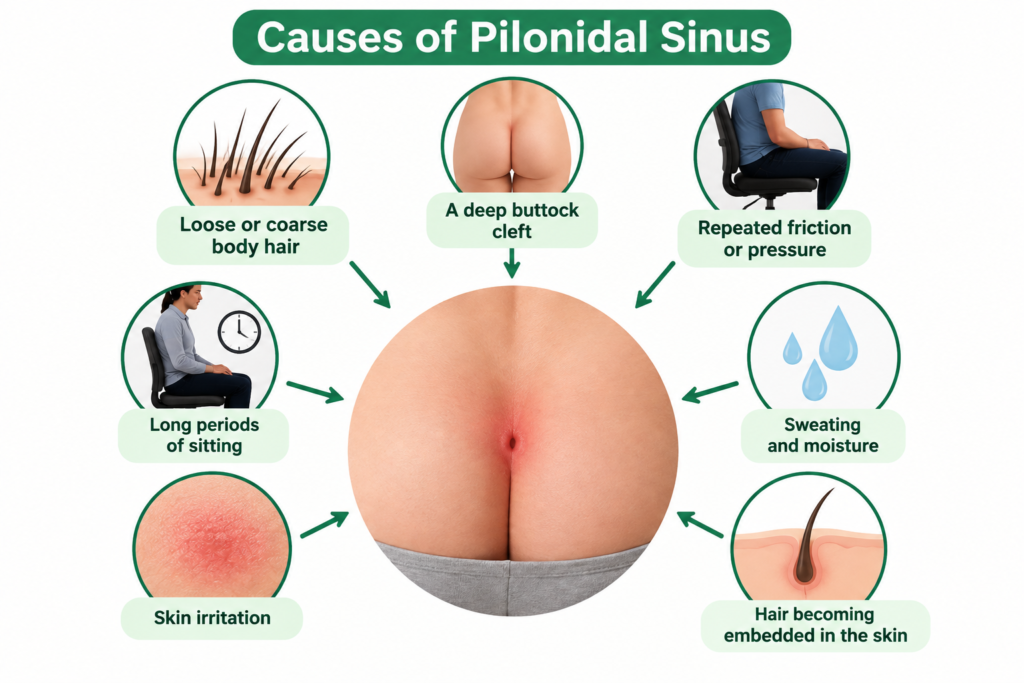
There is usually no single cause. Several factors may contribute to pilonidal disease, including:
- Loose or coarse body hair
- A deep buttock cleft
- Repeated friction or pressure
- Long periods of sitting
- Sweating and moisture
- Skin irritation
- Hair becoming embedded in the skin
Pilonidal disease should not simply be considered a result of poor hygiene. Keeping the area clean can support management, but several physical and lifestyle factors can contribute to the condition.
Who Can Develop Pilonidal Sinus?
Pilonidal disease is particularly common in adolescents and young adults, although it can occur at other ages as well.
Risk may be associated with factors such as abundant body hair, prolonged sitting, friction around the buttock cleft, and excess body weight. However, people of different body types and activity levels can develop the condition.
People who spend many hours sitting at work, driving, studying, or using a computer may experience increased pressure and friction around the affected area.
What Are the Symptoms of Pilonidal Sinus?
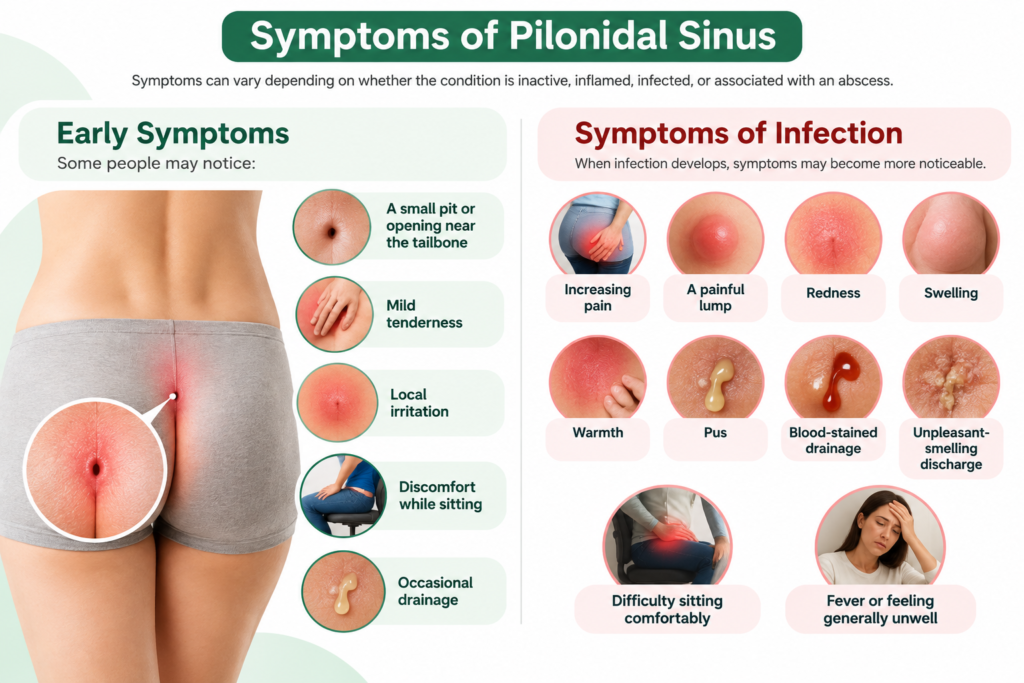
Symptoms can vary depending on whether the condition is inactive, inflamed, infected, or associated with an abscess.
Early Symptoms
Some people may notice:
- A small pit or opening near the tailbone
- Mild tenderness
- Local irritation
- Discomfort while sitting
- Occasional drainage
Symptoms of Infection
When infection develops, symptoms may become more noticeable. These can include:
- Increasing pain
- A painful lump
- Redness
- Swelling
- Warmth
- Pus
- Blood-stained drainage
- Unpleasant-smelling discharge
- Difficulty sitting comfortably
- Fever or feeling generally unwell
If symptoms are getting worse quickly, professional medical assessment is important.
What Is a Pilonidal Abscess?
A pilonidal abscess develops when infection causes pus to collect beneath the skin. It can become painful and swollen over a short period.
Common signs include:
- Severe or increasing pain
- Tender swelling
- Redness
- Warmth
- Pus
- Difficulty sitting
A painful abscess generally requires medical assessment. Do not squeeze, puncture, or attempt to drain an abscess at home.
For an established abscess, incision and drainage is commonly used to release the pus and reduce pressure. The resulting wound may then require dressing and ongoing wound care.
How Is Pilonidal Sinus Diagnosed?
Diagnosis is usually based on a physical examination.
A healthcare professional may look for:
- Midline pits
- Sinus openings
- Swelling
- Redness
- Drainage
- An abscess
- Previous surgical scars
- Signs of recurrence
The clinician may also ask about your symptoms, previous infections, previous surgery, pain, drainage, and how often the problem has returned.
Imaging is generally not required in straightforward cases, although additional tests may sometimes be considered when symptoms are unusual or another condition needs to be ruled out.
7 Essential Facts About Pilonidal Sinus Treatment
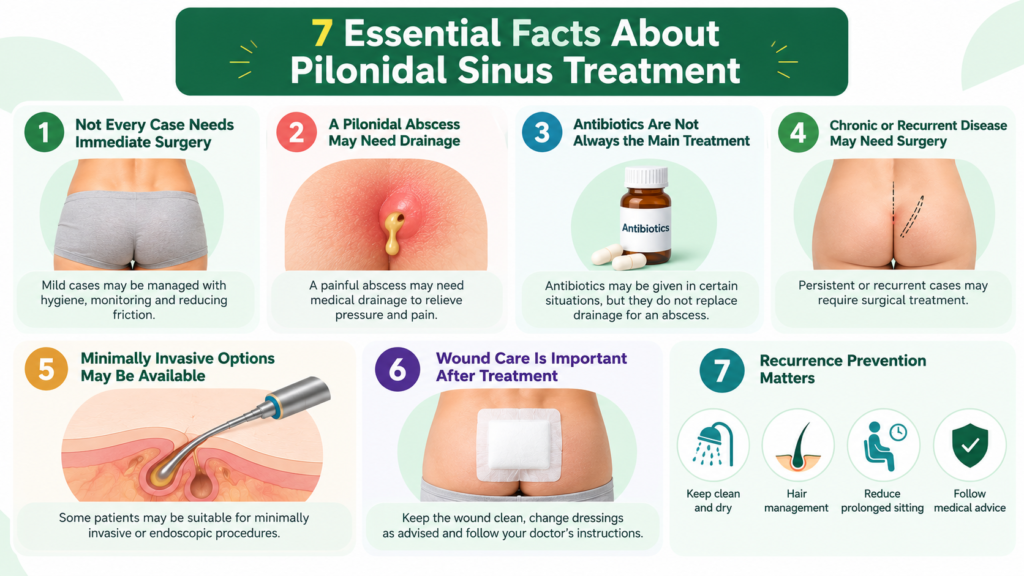
1. Not Every Case Needs Immediate Surgery
Treatment depends on the type and severity of disease.
A pilonidal sinus without an acute abscess may sometimes be managed initially with appropriate hygiene, monitoring, hair management when advised, and reducing factors that contribute to friction.
Your healthcare professional can determine whether observation or a more active treatment approach is appropriate.
2. A Pilonidal Abscess May Need Drainage
A painful abscess is different from a simple, non-infected sinus.
When pus has collected beneath the skin, medical drainage may be required. Drainage can relieve pressure and pain, but it does not necessarily eliminate the underlying sinus tracts or pits.
This is why some people experience another episode after an abscess has been treated.
3. Antibiotics Are Not Always the Main Treatment
Antibiotics may be recommended in certain situations, such as when there is spreading skin infection or systemic illness.
However, antibiotics do not automatically replace drainage when a significant abscess is present. Do not use leftover antibiotics or start treatment without medical advice.
4. Chronic or Recurrent Disease May Need Surgery
If you have persistent drainage, repeated abscesses, or recurrent pilonidal disease, a surgeon may discuss a procedure.
Possible surgical approaches include:
- Excision with open healing
- Excision with closure
- Off-midline closure
- Flap procedures such as Karydakis, Bascom cleft-lift, or Limberg flap
The appropriate procedure depends on the extent of disease, previous treatment, wound characteristics, and the surgeon’s assessment.
5. Minimally Invasive Options May Be Available
Some patients may be suitable for less invasive treatment techniques.
Depending on the individual case and local availability, these may include procedures designed to clean or remove pits and sinus tracts or endoscopic approaches.
These techniques may involve smaller wounds and potentially shorter recovery in selected patients, but they are not appropriate for every case.
6. Wound Care Is Important After Treatment
Good wound care can support healing after pilonidal surgery or abscess drainage.
Your healthcare provider may give instructions about:
- Cleaning the wound
- Changing dressings
- Showering
- Physical activity
- Sitting
- Exercise
- Hair management
If the wound is left open, dressing requirements may continue for several weeks. Always follow the specific instructions provided by your surgical or wound-care team.
7. Recurrence Prevention Matters
Pilonidal disease can return even after treatment.
Recurrence may be associated with remaining sinus tracts, new hair entering the skin, friction, wound-healing problems, or the anatomy of the buttock cleft.
Depending on your situation, your healthcare professional may recommend appropriate hair management, hygiene, reducing prolonged pressure, and other preventive measures.
How to Reduce Pilonidal Sinus Recurrence
There is no method that guarantees the condition will never return, but several measures may help reduce risk.
Keep the Area Clean
Follow your healthcare provider’s instructions for washing and wound hygiene. Once the wound has healed, regular hygiene can help reduce the accumulation of hair and debris.
Manage Hair When Recommended
Hair control may be recommended for some people, particularly those with recurrent disease. The appropriate method depends on the condition of the skin and wound.
Avoid shaving directly across an open or inflamed wound unless advised by a healthcare professional.
Reduce Prolonged Sitting
If you sit for many hours, taking regular movement breaks may help reduce continuous pressure and friction around the buttock cleft.
Follow Postoperative Instructions
After surgery, follow the instructions provided for wound care, dressing changes, exercise, sitting, activity, and hair management. Recovery can differ significantly depending on the procedure performed.
Signs of Infection After Pilonidal Surgery
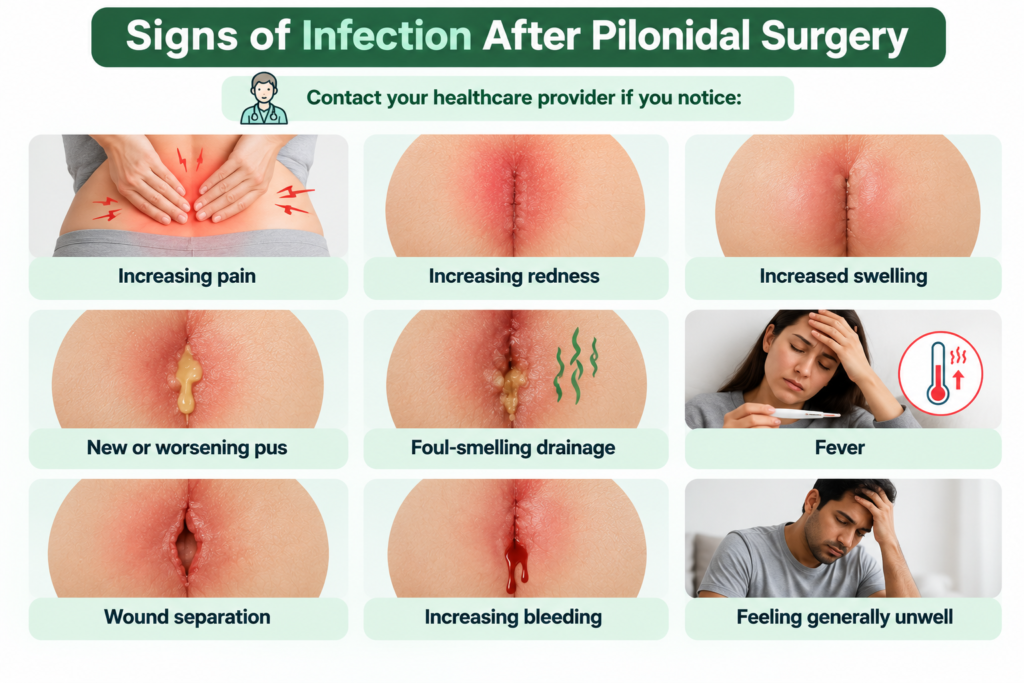
Contact your healthcare provider if you notice:
- Increasing pain
- Increasing redness
- Increased swelling
- New or worsening pus
- Foul-smelling drainage
- Fever
- Wound separation
- Increasing bleeding
- Feeling generally unwell
Some drainage can be expected from certain open wounds, so always compare your symptoms with the instructions given by your healthcare team.
When Should You See a Doctor?
You should seek professional medical assessment if you notice:
- A painful lump near the tailbone
- Increasing swelling
- Redness or warmth
- Pus
- Bloody drainage
- Persistent discharge
- Fever
- Rapidly worsening pain
- Repeated episodes in the same area
A recurring or draining wound should not simply be treated at home without assessment, particularly if symptoms keep returning.
Frequently Asked Questions
A pilonidal sinus is often not serious when it is not infected and may not require treatment. However, it can become painful and infected, sometimes forming an abscess with pus, swelling and difficulty sitting. Repeated infections can lead to chronic or recurrent disease, so painful swelling, pus, bleeding or fever should be assessed by a healthcare professional.
The appropriate treatment depends on whether the sinus is infected, how severe it is and whether it keeps coming back. An infected abscess usually needs drainage, while recurrent or persistent disease may require surgery or another procedure. Some patients may be suitable for minimally invasive treatments, such as endoscopic procedures.
You may reduce the risk of pilonidal disease or recurrence by keeping the buttock cleft clean and dry, avoiding prolonged pressure or sitting when possible, and following your healthcare professional’s advice about hair management. After treatment, follow your wound-care instructions carefully.
Sometimes a pilonidal sinus may remain inactive without causing symptoms, and an infected cyst may occasionally drain and settle. However, symptoms can return, particularly with chronic disease. A painful, swollen lump, pus or bleeding should not be ignored and should be evaluated by a healthcare professional.
Final Thoughts
Pilonidal Sinus can start as a small pit or opening near the tailbone but may develop into chronic drainage, infection, or a painful abscess. Treatment depends on whether the disease is mild, infected, chronic, or recurrent.
An acute abscess may require drainage, while persistent or recurrent disease may require surgical or minimally invasive treatment. Proper wound care and recurrence prevention are also important parts of long-term management.
If you have repeated pain, swelling, or drainage near the tailbone, don’t ignore it. A healthcare professional can assess the problem and help determine the appropriate treatment and wound-care approach.
🩺 Get Expert Wound Care Guidance
Concerned about a persistent or recurring wound? WoundGuide provides easy-to-understand information about wound conditions, wound care, healing, and treatment options.
Explore WoundGuide for more wound-care information and guidance.
Leave a Reply