
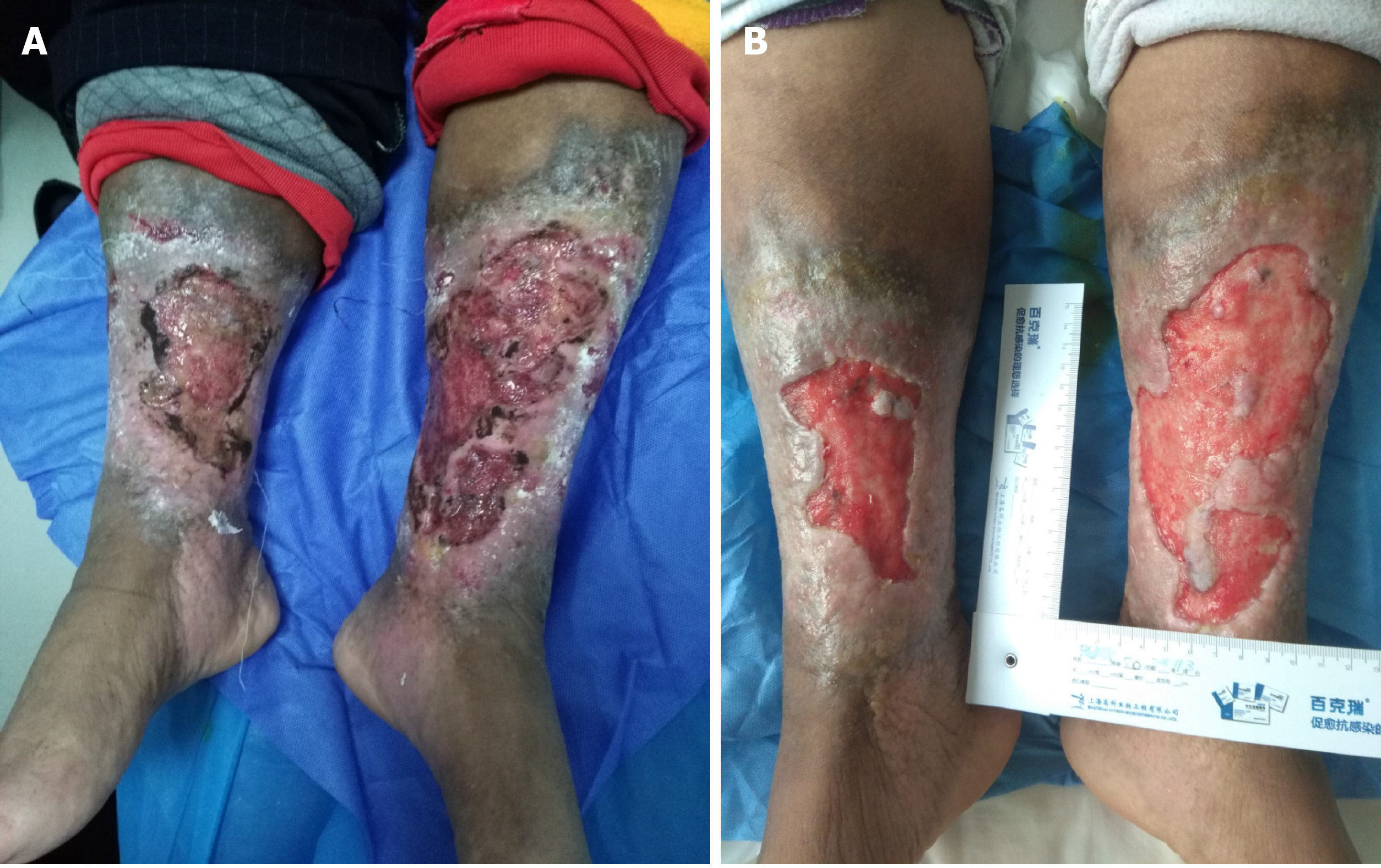
A leg ulcer is a wound that does not heal normally and remains open for an extended period, often for more than two weeks. While different types of leg ulcers can look similar at first, arterial and venous ulcers have very different causes and require different approaches to treatment.
Understanding the difference between arterial and venous ulcer is important because treating the wrong type of ulcer incorrectly can delay healing and, in some situations, cause serious complications.
Venous ulcers are generally associated with problems returning blood from the legs back toward the heart. Arterial ulcers, on the other hand, develop when arteries cannot deliver enough oxygen-rich blood to the tissues. Because the underlying circulation problem is different, the location, appearance, pain, surrounding skin, and treatment approach can also differ.
This guide explains the difference between arterial and venous ulcer in simple terms so that patients, caregivers, and families can understand the warning signs and why professional assessment is important.
Important: This article is for educational purposes and does not replace an examination by a qualified healthcare professional. A chronic leg wound should be properly assessed before treatment is started.
What is a Leg Ulcer?
A leg ulcer is an open sore that does not heal as expected. It can develop because of problems affecting blood circulation, diabetes, pressure, trauma, inflammation, infection, or other medical conditions.
Two important vascular causes are:
Venous ulcer: Usually related to chronic venous insufficiency and increased pressure in the veins.
Arterial ulcer: Usually related to inadequate arterial blood flow to the leg or foot.
A person may sometimes have both venous and arterial disease at the same time. This is called a mixed arterial-venous ulcer, and it requires careful assessment because treatment needs to address both circulation problems.
What Is a Venous Ulcer?
A venous ulcer develops when blood has difficulty returning from the legs to the heart. This is commonly associated with chronic venous insufficiency, in which the veins and their valves do not effectively move blood upward.
When blood pools in the lower legs, pressure inside the veins can remain elevated. Over time, this can damage the surrounding tissues and skin. A relatively minor injury may then develop into a wound that is difficult to heal.
Venous leg ulcers are the most common type of leg ulcer. They commonly occur around the lower leg, particularly in the gaiter area, including the region around and above the ankle.
Venous ulcers may be associated with:
- Chronic venous insufficiency
- Varicose veins
- Previous deep vein thrombosis (DVT)
- Leg swelling or oedema
- Reduced mobility
- Previous leg ulcers
- Obesity
- Previous injury or surgery affecting the leg
- Increasing age
Persistent swelling and venous pressure can gradually affect the skin, making it more vulnerable to breakdown.
What Is an Arterial Ulcer?
An arterial ulcer develops when the arteries supplying blood to the leg or foot become narrowed or blocked. As a result, tissues may receive inadequate oxygen and nutrients.
One common underlying problem is peripheral arterial disease (PAD). Atherosclerosis, smoking, diabetes, high blood pressure, and other cardiovascular risk factors can contribute to arterial disease.
When blood flow is significantly reduced, the skin and underlying tissues may become more vulnerable to injury and may have difficulty healing.
Arterial ulcers commonly occur on the foot, toes, ankle, or around the malleoli, although the exact location can vary.
Difference Between Arterial and Venous Ulcer
The easiest way to understand the difference between arterial and venous ulcer is to compare the circulation problem.
A venous ulcer is primarily a problem of blood returning from the leg, while an arterial ulcer is primarily a problem of blood reaching the tissues.
| Feature | Venous Ulcer | Arterial Ulcer |
|---|---|---|
| Main problem | Poor return of blood through veins | Reduced blood flow through arteries |
| Common underlying condition | Chronic venous insufficiency | Peripheral arterial disease |
| Common location | Gaiter area, especially around the inner ankle | Toes, foot, ankle or lower leg |
| Swelling | Common | Usually less prominent |
| Pain | Aching or discomfort; may worsen with swelling or infection | Often severe, especially at rest or at night |
| Skin | Darkened, thickened, itchy or inflamed | Pale, shiny, thin or bluish |
| Wound appearance | Often shallow and irregular | Often deeper with a punched-out appearance |
| Wound bed | May have granulation tissue | May have poor granulation or necrotic tissue |
| Exudate | Can be moderate or high | Usually lower |
| Leg temperature | Often normal or warm | Foot/leg may feel cold |
| Pulses | Usually present | May be weak or absent |
| Typical treatment principle | Compression after arterial circulation has been assessed | Improve arterial blood flow and vascular management |
These features are useful clues, but appearance alone cannot reliably diagnose the type of ulcer. A healthcare professional may need to assess circulation and perform vascular tests.
1. Difference in the Cause
The fundamental difference between arterial and venous ulcer is the underlying circulation problem.
Venous ulcer
A venous ulcer is associated with venous hypertension. Blood struggles to return efficiently toward the heart, causing pressure and fluid accumulation in the lower leg.
Arterial ulcer
An arterial ulcer is associated with inadequate arterial circulation. Narrowed or blocked arteries reduce blood flow to the tissues.
In simple terms
Venous problem = blood has difficulty getting back up.
Arterial problem = blood has difficulty getting down to the tissues.
This distinction is important because the treatments can be very different.
2. Difference in Ulcer Location
Location can provide an important clue.
Where do venous ulcers occur?
Venous ulcers commonly occur in the gaiter area, which is the lower portion of the leg between the ankle and calf. The area around the inner ankle is particularly common.
Where do arterial ulcers occur?
Arterial ulcers are more commonly found on:
- Toes
- Foot
- Heel
- Ankle
- Areas over pressure points
- Lower parts of the leg
Clinical guidance notes that arterial ulcers are commonly found on the foot, toes, ankle or malleolar areas.
However, location should not be used as the only diagnostic factor. A healthcare professional needs to consider the patient’s symptoms, medical history, circulation, and wound characteristics together.
3. Difference in Pain
Pain is another important difference between arterial and venous ulcer.
Venous ulcer pain
Venous ulcers may cause aching, discomfort, heaviness, itching, or pain. Swelling can make the leg uncomfortable, and pain may become worse if infection develops.
Some people with venous disease experience significant discomfort because of oedema and inflammation.
Arterial ulcer pain
Arterial ulcers can be significantly painful because the tissues are not receiving enough blood.
Pain may become particularly noticeable at night or when the leg is elevated. Some people may find that lowering the leg provides temporary relief.
Severe or rapidly worsening foot pain, particularly when accompanied by a cold or pale foot, should be medically assessed urgently.
4. Difference in Skin Appearance
The skin surrounding the ulcer can provide additional clues.
Venous ulcer skin changes
People with venous disease may develop:
- Swelling
- Dark or brown skin discoloration
- Hardened skin
- Itchy or flaky skin
- Varicose eczema
- Varicose veins
- Lipodermatosclerosis
- Other chronic skin changes
These changes occur because prolonged venous hypertension affects the tissues and skin.
Arterial ulcer skin changes
Arterial disease can cause:
- Pale skin
- Bluish discoloration
- Shiny or thin skin
- Reduced hair growth
- Cold feet
- Poor tissue condition
- Gangrenous changes in severe disease
Clinical guidance describes arterial disease as being associated with shiny, taut skin, pale or blue feet, cold legs or feet, and gangrenous toes in severe cases.
5. Difference in Wound Appearance
The wound itself may also look different.
Venous ulcer appearance
Venous ulcers are often:
- Shallow
- Irregular in shape
- Located around the gaiter area
- Associated with granulation tissue
- Associated with varying amounts of wound drainage
The amount of exudate may increase when swelling is not adequately controlled.
Arterial ulcer appearance
Arterial ulcers may have:
- A more clearly defined or “punched-out” appearance
- A pale or poorly perfused wound bed
- Slough
- Necrotic tissue
- Limited granulation tissue
Severe arterial disease can result in tissue death and gangrene.
6. Difference in Swelling
Swelling is much more commonly associated with venous ulcers.
Venous disease can cause oedema, particularly around the ankle and lower leg. Swelling may become worse after prolonged standing or sitting.
Arterial ulcers do not typically have the same pattern of swelling caused by venous hypertension. If a person has both arterial and venous disease, however, swelling can still occur.
7. Difference in Leg Temperature
Temperature can provide another clue.
With venous ulcers, the affected leg may not have the marked coldness associated with poor arterial circulation.
With arterial disease, the foot or leg may feel cold to the touch, particularly when blood flow is significantly impaired.
A cold foot accompanied by severe pain, pale or blue skin, numbness, weakness, or sudden changes in circulation needs urgent medical attention.
How Are Arterial and Venous Ulcers Diagnosed?
Correct diagnosis is one of the most important parts of leg ulcer care.
A healthcare professional may examine:
- The location of the ulcer
- Size and depth
- Wound bed
- Drainage
- Surrounding skin
- Swelling
- Leg temperature
- Pulses
- Medical history
- Mobility
- Diabetes and cardiovascular risk factors
- History of DVT or varicose veins
For suspected venous ulcers, healthcare professionals may check the arterial circulation before recommending compression therapy.
One commonly used assessment is the Ankle-Brachial Pressure Index (ABPI) or similar vascular assessment. This compares blood pressure at the ankle with blood pressure in the arm to help identify reduced arterial circulation.
This assessment is particularly important because compression therapy, which is commonly used for venous ulcers, may be unsafe or require modification when arterial blood flow is significantly reduced.
Why Is Circulation Testing Important?
One of the biggest reasons patients need professional assessment is that a wound can look like a venous ulcer while also having arterial disease.
This is known as mixed arterial and venous disease.
If a person has significant arterial disease, simply applying strong compression without appropriate vascular assessment may be unsafe.
Clinical guidance recommends vascular assessment and specialist referral where significant arterial disease is suspected. For example, NICE-supported leg ulcer recommendations advise urgent vascular referral for severe arterial impairment, including ABPI below 0.5 in the relevant clinical context.
Therefore, patients should not self-diagnose an ulcer as “venous” and start compression treatment without professional advice.
Treatment of Venous Ulcers
Treatment of a venous ulcer focuses not only on the wound but also on the underlying venous circulation problem.
Common components may include:
Wound cleaning and dressing
The wound may be cleaned and covered with an appropriate dressing to maintain a suitable healing environment.
Compression therapy
Compression is a major component of venous ulcer management when arterial circulation is adequate and compression is clinically appropriate.
Compression helps counter excessive venous pressure and can reduce swelling. It should be applied according to professional assessment and by appropriately trained healthcare professionals.
Managing swelling
Leg elevation and regular movement may help reduce swelling.
NHS guidance recommends keeping active where possible and elevating the affected leg when sitting or lying down.
Treating underlying venous disease
Some patients may require assessment or treatment for conditions such as varicose veins or other venous problems.
The goal is not simply to close the wound but also to address the reason the ulcer developed in the first place.
Treatment of Arterial Ulcers
Arterial ulcers require a different approach because the main problem is inadequate blood supply.
Management may involve:
- Vascular assessment
- Treatment of peripheral arterial disease
- Cardiovascular risk-factor management
- Appropriate wound care
- Pain management
- Specialist vascular intervention when required
Depending on the severity and cause, vascular specialists may consider procedures intended to improve blood flow, such as angioplasty, stenting, or bypass surgery. Clinical wound-care guidance recommends vascular referral for arterial ulcers where revascularisation may be required.
The exact treatment depends on the severity of arterial disease, the patient’s overall health, and the condition of the affected limb.
Can Compression Be Used for an Arterial Ulcer?
This is an important question.
Do not assume that compression is appropriate for every leg ulcer.
Compression is a standard treatment for many venous ulcers, but arterial circulation needs to be assessed first. NHS guidance specifically notes that compression is the main treatment for venous ulcers but may not be safe when ankle artery pressures are low.
Patients with suspected arterial disease should therefore be assessed by a healthcare professional before compression is started.
People with mixed arterial and venous disease may require a modified treatment plan based on vascular assessment.
Arterial vs Venous Ulcer: A Simple Way to Remember
If you are trying to remember the difference between arterial and venous ulcer, think about the direction of blood flow.
Venous ulcer
Problem: blood cannot return effectively.
Common clues:
- Swollen leg
- Varicose veins
- Darkened skin
- Gaiter-area ulcer
- Aching or heaviness
- Often more wound drainage
Arterial ulcer
Problem: blood cannot reach the tissues adequately.
Common clues:
- Cold foot
- Pale or blue skin
- Severe pain
- Foot or toe ulcer
- Poor wound healing
- Reduced pulses
- Possible necrosis or gangrene in severe disease
These clues can help you understand the difference, but they do not replace a medical assessment.
When Should You See a Doctor?
A chronic wound should not be ignored simply because it is small.
Seek professional medical assessment if:
- A wound has not healed within two weeks
- The wound is becoming larger
- Pain is increasing
- The foot or leg becomes unusually cold
- The skin becomes pale, blue, or black
- There is increasing swelling
- The wound develops an unpleasant smell
- There is pus or unusual discharge
- You develop fever or feel generally unwell
- You have diabetes and develop a foot or leg wound
- You have known peripheral arterial disease
- You have a history of DVT or significant venous disease
Venous ulcers are unlikely to heal without appropriate specialist treatment, according to NHS guidance.
What Are the Signs of an Infected Ulcer?
Both arterial and venous ulcers can become infected.
Possible warning signs include:
- Increasing pain
- Increasing redness or swelling around the wound
- Pus or unpleasant discharge
- Foul smell
- Fever
- Feeling generally unwell
- Rapid deterioration of the wound
Redness can sometimes be harder to identify on darker skin, so changes in pain, swelling, discharge, smell, temperature, or general health are also important.
Antibiotics may be required when a leg ulcer is clinically infected, but antibiotics do not by themselves correct the underlying circulation problem or heal an uninfected ulcer.
Can Arterial and Venous Ulcers Be Prevented?
Not every ulcer can be prevented, but addressing risk factors can reduce the chance of developing one or help prevent recurrence.
For venous disease
Helpful measures may include:
- Staying physically active
- Managing body weight where appropriate
- Elevating the legs when advised
- Managing swelling
- Following prescribed compression therapy
- Treating underlying venous problems
- Protecting the skin from injury
- Following professional wound-care instructions
For arterial disease
Reducing cardiovascular risk is important. Depending on individual circumstances, this may include:
- Stopping smoking
- Managing blood pressure
- Managing diabetes
- Managing cholesterol
- Maintaining physical activity as medically appropriate
- Taking prescribed medications correctly
- Attending vascular follow-up when recommended
Because arterial disease can be associated with wider cardiovascular problems, appropriate medical management is important beyond the ulcer itself.
Final Takeaway
Understanding the difference between arterial and venous ulcer is essential for appropriate wound care.
A venous ulcer is usually associated with poor venous return, increased venous pressure, swelling, skin discoloration, and ulcers around the lower leg or ankle. Treatment commonly includes wound care and compression when arterial circulation is adequate.
An arterial ulcer is associated with reduced blood flow through the arteries. It is more commonly found on the foot or toes and may be accompanied by severe pain, cold skin, pale or bluish skin, weak pulses, and poor wound healing. Treatment focuses on assessing and improving arterial circulation and managing the underlying vascular disease.
The most important point is that not every leg ulcer should be treated in the same way. Because venous, arterial, mixed, diabetic, and other ulcers can have overlapping features, professional assessment is necessary to identify the cause and choose appropriate treatment.
If you or someone you care for has a wound that is not healing, particularly if there is severe pain, a cold or discolored foot, increasing swelling, tissue discoloration, or signs of infection, seek medical evaluation rather than relying on self-treatment.
Arterial pain is usually caused by reduced blood flow to the tissues. It may feel like cramping, aching, or burning and often becomes worse with walking or exercise. In severe cases, pain may occur even at rest and can worsen when the leg is elevated. Venous pain, on the other hand, is often associated with swelling, heaviness, aching, or a dull discomfort that becomes worse after prolonged standing and may improve when the leg is elevated
Venous ulcers develop when blood has difficulty returning to the heart, commonly affecting the lower leg around the ankle. They are often associated with leg swelling, skin discoloration, and a shallow, irregular wound.
Arterial ulcers occur when inadequate arterial blood flow prevents tissues from receiving enough oxygen and nutrients. They commonly develop on the feet, toes, heels, or pressure points and may appear as deep, sharply defined wounds. The surrounding skin may be cool, pale, shiny, or hairless.
The main difference is the underlying cause. Venous ulcers result from poor blood return through the veins and are commonly associated with swelling and skin changes in the lower leg. Arterial ulcers result from inadequate blood supply and often occur on the feet or toes, with the affected area potentially appearing pale or cool. Diabetic ulcers are commonly associated with diabetes-related nerve damage and reduced circulation, frequently developing on pressure points of the feet.
Because different types of ulcers require different treatments, accurate assessment by a healthcare professional is important before starting treatment.
PAD (Peripheral Artery Disease) affects the arteries and reduces blood flow to the limbs. PAD-related ulcers are therefore arterial ulcers and commonly occur on the feet, toes, heels, or other areas with poor circulation.
PVD (Peripheral Vascular Disease) is a broader term that can refer to diseases affecting blood vessels outside the heart and brain, including both arterial and venous circulation problems. Therefore, a “PVD ulcer” is not necessarily a specific type of ulcer. The exact cause should be identified before treatment.
If an ulcer is painful, worsening, infected, or not healing, seek medical evaluation promptly, particularly if there are symptoms of poor circulation.
Leave a Reply