

[cmsmasters_row][cmsmasters_column data_width=”1/1″][cmsmasters_text] Bedsores, also called pressure ulcers, pressure sores, or decubitus ulcers, are among the most common yet most preventable wounds, especially in people with limited mobility. Left untreated, they can progress from mild skin redness to deep wounds that expose muscle or bone. This guide covers everything patients, caregivers, and healthcare professionals need to know: what causes bedsores, how to recognize each stage, proven treatment options, and practical steps for prevention. What Are Bedsores? Bedsores are injuries to the skin and underlying tissue caused by prolonged, unrelieved pressure. They typically develop over bony areas such as the: Heels and...
Understanding Pediatric Wounds: Types, Causes, and Treatments
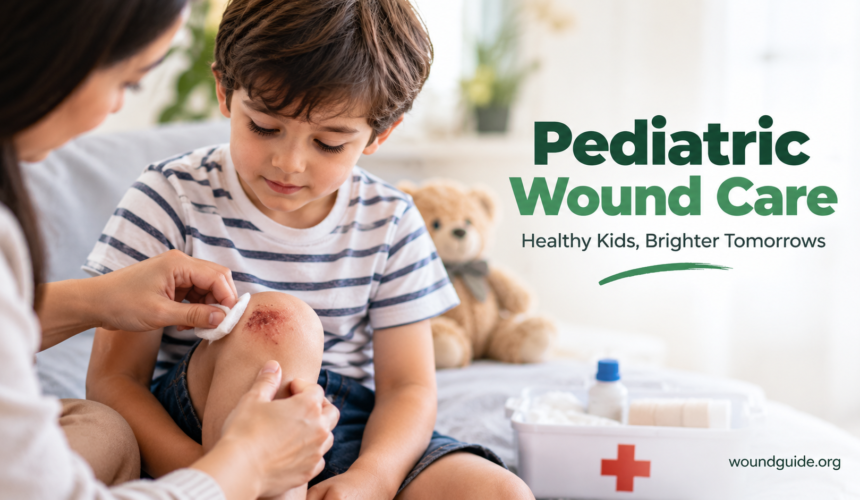
[cmsmasters_row data_shortcode_id=”tc3kywlwq” data_width=”boxed” data_padding_left=”3″ data_padding_right=”3″ data_top_style=”default” data_bot_style=”default” data_color=”default” data_bg_position=”top center” data_bg_repeat=”no-repeat” data_bg_attachment=”scroll” data_bg_size=”cover” data_bg_parallax_ratio=”0.5″ data_padding_top=”0″ data_padding_bottom=”50″ data_padding_top_large=”0″ data_padding_bottom_large=”0″ data_padding_top_laptop=”0″ data_padding_bottom_laptop=”0″ data_padding_top_tablet=”0″ data_padding_bottom_tablet=”0″ data_padding_top_mobile_h=”0″ data_padding_bottom_mobile_h=”0″ data_padding_top_mobile_v=”0″ data_padding_bottom_mobile_v=”0″][cmsmasters_column data_width=”1/1″ data_shortcode_id=”i0x7ohfisx” data_bg_position=”top center” data_bg_repeat=”no-repeat” data_bg_attachment=”scroll” data_bg_size=”cover” data_border_style=”default” data_animation_delay=”0″][cmsmasters_text shortcode_id=”pryvl6nvxl” animation_delay=”0″] Pediatric wound care is something every parent ends up needing sooner or later, since children are naturally active and curious, which makes cuts, scrapes, bumps, and bruises an unavoidable part of growing up. From backyard tumbles to playground mishaps, most kids will pick up several minor injuries every year long before they reach adulthood. While most pediatric wounds are minor and heal on...

Pediatric Chronic Wounds: Causes, Treatments, and Long-Term Care
[cmsmasters_row data_padding_bottom_mobile_v=”0″ data_padding_top_mobile_v=”0″ data_padding_bottom_mobile_h=”0″ data_padding_top_mobile_h=”0″ data_padding_bottom_tablet=”0″ data_padding_top_tablet=”0″ data_padding_bottom_laptop=”0″ data_padding_top_laptop=”0″ data_padding_bottom_large=”0″ data_padding_top_large=”0″ data_padding_bottom=”50″ data_padding_top=”0″ data_bg_parallax_ratio=”0.5″ data_bg_size=”cover” data_bg_attachment=”scroll” data_bg_repeat=”no-repeat” data_bg_position=”top center” data_color=”default” data_bot_style=”default” data_top_style=”default” data_padding_right=”3″ data_padding_left=”3″ data_width=”boxed” data_shortcode_id=”h44gtwsgla”][cmsmasters_column data_width=”1/1″ data_animation_delay=”0″ data_border_style=”default” data_bg_size=”cover” data_bg_attachment=”scroll” data_bg_repeat=”no-repeat” data_bg_position=”top center” data_shortcode_id=”6dldx44lqo”][cmsmasters_text shortcode_id=”kkgbzftlcp” animation_delay=”0″] Chronic wounds in children can be a significant concern for parents and healthcare providers alike. Unlike acute wounds, chronic wounds fail to heal within the expected time frame, leading to prolonged discomfort and increased risk of complications. Understanding the causes, available wound treatments, and the importance of long-term care is essential for effective management. Causes of Pediatric Chronic Wounds Several factors contribute to...

Healing Faster: Tips for Managing Minor and Major Pediatric Wounds
[cmsmasters_row data_padding_bottom_mobile_v=”0″ data_padding_top_mobile_v=”0″ data_padding_bottom_mobile_h=”0″ data_padding_top_mobile_h=”0″ data_padding_bottom_tablet=”0″ data_padding_top_tablet=”0″ data_padding_bottom_laptop=”0″ data_padding_top_laptop=”0″ data_padding_bottom_large=”0″ data_padding_top_large=”0″ data_padding_bottom=”50″ data_padding_top=”0″ data_bg_parallax_ratio=”0.5″ data_bg_size=”cover” data_bg_attachment=”scroll” data_bg_repeat=”no-repeat” data_bg_position=”top center” data_color=”default” data_bot_style=”default” data_top_style=”default” data_padding_right=”3″ data_padding_left=”3″ data_width=”boxed” data_shortcode_id=”4qlkf0ix6″][cmsmasters_column data_width=”1/1″ data_animation_delay=”0″ data_border_style=”default” data_bg_size=”cover” data_bg_attachment=”scroll” data_bg_repeat=”no-repeat” data_bg_position=”top center” data_shortcode_id=”ke4sq0q2ri”][cmsmasters_text shortcode_id=”07k7b25t9c” animation_delay=”0″] Children are naturally active, curious, and prone to accidents. Whether it’s a minor scrape from a fall or a major wound from a more serious injury, proper pediatric wound care is vital to ensure quick healing and prevent infections. As parents and caregivers, understanding how to manage wounds effectively can make a significant difference in the healing process. In this guide, we’ll explore...

How to Clean and Care for an Infected Wound at Home?
[cmsmasters_row data_padding_bottom_mobile_v=”0″ data_padding_top_mobile_v=”0″ data_padding_bottom_mobile_h=”0″ data_padding_top_mobile_h=”0″ data_padding_bottom_tablet=”0″ data_padding_top_tablet=”0″ data_padding_bottom_laptop=”0″ data_padding_top_laptop=”0″ data_padding_bottom_large=”0″ data_padding_top_large=”0″ data_padding_bottom=”50″ data_padding_top=”0″ data_bg_parallax_ratio=”0.5″ data_bg_size=”cover” data_bg_attachment=”scroll” data_bg_repeat=”no-repeat” data_bg_position=”top center” data_color=”default” data_bot_style=”default” data_top_style=”default” data_padding_right=”3″ data_padding_left=”3″ data_width=”boxed” data_shortcode_id=”kyskxkx98o”][cmsmasters_column data_width=”1/1″ data_animation_delay=”0″ data_border_style=”default” data_bg_size=”cover” data_bg_attachment=”scroll” data_bg_repeat=”no-repeat” data_bg_position=”top center” data_shortcode_id=”1np07ehxfl”][cmsmasters_text shortcode_id=”uujyall058″ animation_delay=”0″] An infected wound requires prompt and proper care to prevent complications and promote healing. Whether it’s a minor cut, scrape, or surgical wound, knowing how to clean and care for an infected wound at home can help reduce the risk of further infection. This guide will walk you through essential wound care steps, signs of infection, and when to seek medical help. Signs...

What Are Infectious Wounds? Causes, Symptoms, and Treatment
[cmsmasters_row data_padding_bottom_mobile_v=”0″ data_padding_top_mobile_v=”0″ data_padding_bottom_mobile_h=”0″ data_padding_top_mobile_h=”0″ data_padding_bottom_tablet=”0″ data_padding_top_tablet=”0″ data_padding_bottom_laptop=”0″ data_padding_top_laptop=”0″ data_padding_bottom_large=”0″ data_padding_top_large=”0″ data_padding_bottom=”50″ data_padding_top=”0″ data_bg_parallax_ratio=”0.5″ data_bg_size=”cover” data_bg_attachment=”scroll” data_bg_repeat=”no-repeat” data_bg_position=”top center” data_color=”default” data_bot_style=”default” data_top_style=”default” data_padding_right=”3″ data_padding_left=”3″ data_width=”boxed” data_shortcode_id=”jcs5g91tcb”][cmsmasters_column data_width=”1/1″ data_animation_delay=”0″ data_border_style=”default” data_bg_size=”cover” data_bg_attachment=”scroll” data_bg_repeat=”no-repeat” data_bg_position=”top center” data_shortcode_id=”55t2mp351″][cmsmasters_text shortcode_id=”9fait79co9″ animation_delay=”0″] An infectious wound is a type of wound that becomes contaminated with bacteria, viruses, fungi, or parasites, leading to delayed healing and potential complications. Infections can arise from minor cuts, surgical wounds, burns, or chronic ulcers if not properly treated. Understanding the causes, symptoms, and treatment options is crucial for preventing severe complications like sepsis or gangrene. Causes of Infectious Wounds Wounds become...

Daily Wound Care Routine to Prevent Infections
[cmsmasters_row data_shortcode_id=”yiekwcv30c” data_width=”boxed” data_padding_left=”3″ data_padding_right=”3″ data_top_style=”default” data_bot_style=”default” data_color=”default” data_bg_position=”top center” data_bg_repeat=”no-repeat” data_bg_attachment=”scroll” data_bg_size=”cover” data_bg_parallax_ratio=”0.5″ data_padding_top=”0″ data_padding_bottom=”50″ data_padding_top_large=”0″ data_padding_bottom_large=”0″ data_padding_top_laptop=”0″ data_padding_bottom_laptop=”0″ data_padding_top_tablet=”0″ data_padding_bottom_tablet=”0″ data_padding_top_mobile_h=”0″ data_padding_bottom_mobile_h=”0″ data_padding_top_mobile_v=”0″ data_padding_bottom_mobile_v=”0″][cmsmasters_column data_width=”1/1″ data_shortcode_id=”129zomwyrl” data_bg_position=”top center” data_bg_repeat=”no-repeat” data_bg_attachment=”scroll” data_bg_size=”cover” data_border_style=”default” data_animation_delay=”0″][cmsmasters_text shortcode_id=”ujtxg1dzem” animation_delay=”0″] Proper wound care is essential to prevent infections, promote faster healing, and reduce complications. Whether it’s a minor cut, surgical incision, or chronic wound, following a structured daily wound care routine can significantly lower the risk of infections. This guide will help you understand the best hygiene practices, dressing techniques, and essential wound care tips to keep your wounds healthy. To understand the...

Stages of Diabetic Foot Ulcers: How to Identify and Treat Them Early
[cmsmasters_row data_padding_bottom_mobile_v=”0″ data_padding_top_mobile_v=”0″ data_padding_bottom_mobile_h=”0″ data_padding_top_mobile_h=”0″ data_padding_bottom_tablet=”0″ data_padding_top_tablet=”0″ data_padding_bottom_laptop=”0″ data_padding_top_laptop=”0″ data_padding_bottom_large=”0″ data_padding_top_large=”0″ data_padding_bottom=”50″ data_padding_top=”0″ data_bg_parallax_ratio=”0.5″ data_bg_size=”cover” data_bg_attachment=”scroll” data_bg_repeat=”no-repeat” data_bg_position=”top center” data_color=”default” data_bot_style=”default” data_top_style=”default” data_padding_right=”3″ data_padding_left=”3″ data_width=”boxed” data_shortcode_id=”ka1vwtoza8″][cmsmasters_column data_width=”1/1″ data_animation_delay=”0″ data_border_style=”default” data_bg_size=”cover” data_bg_attachment=”scroll” data_bg_repeat=”no-repeat” data_bg_position=”top center” data_shortcode_id=”2mbn08roeh”][cmsmasters_text shortcode_id=”7dl9jt00m” animation_delay=”0″] Diabetic foot ulcers (DFUs) are a common yet serious complication of diabetes, often leading to infections, hospitalizations, and even amputations if left untreated. Understanding the stages of diabetic foot ulcers is crucial for early intervention and effective diabetic wound care. This guide explains how to identify each stage and outlines the best wound care for diabetic foot ulcers to promote healing. Also read...

What Are Diabetic Foot Ulcers? Causes, Symptoms, and Treatment
[cmsmasters_row data_shortcode_id=”6b6q7jz7kn” data_width=”boxed” data_padding_left=”3″ data_padding_right=”3″ data_top_style=”default” data_bot_style=”default” data_color=”default” data_bg_position=”top center” data_bg_repeat=”no-repeat” data_bg_attachment=”scroll” data_bg_size=”cover” data_bg_parallax_ratio=”0.5″ data_padding_top=”0″ data_padding_bottom=”50″ data_padding_top_large=”0″ data_padding_bottom_large=”0″ data_padding_top_laptop=”0″ data_padding_bottom_laptop=”0″ data_padding_top_tablet=”0″ data_padding_bottom_tablet=”0″ data_padding_top_mobile_h=”0″ data_padding_bottom_mobile_h=”0″ data_padding_top_mobile_v=”0″ data_padding_bottom_mobile_v=”0″][cmsmasters_column data_width=”1/1″ data_shortcode_id=”6bo6ettr4″ data_bg_position=”top center” data_bg_repeat=”no-repeat” data_bg_attachment=”scroll” data_bg_size=”cover” data_border_style=”default” data_animation_delay=”0″][cmsmasters_text shortcode_id=”8cs378sdpj” animation_delay=”0″] Diabetic foot ulcers are open sores or wounds that develop on the feet of individuals with diabetes. These ulcers are a serious complication of diabetes and can lead to infection, gangrene, or even amputation if left untreated. Understanding the causes, symptoms, and treatment options for diabetic foot ulcers is crucial for prevention and effective management. What Are Diabetic Foot Ulcers? A diabetic foot...

Daily Wound Care Tips to Prevent Chronic Wounds
[cmsmasters_row data_padding_bottom_mobile_v=”0″ data_padding_top_mobile_v=”0″ data_padding_bottom_mobile_h=”0″ data_padding_top_mobile_h=”0″ data_padding_bottom_tablet=”0″ data_padding_top_tablet=”0″ data_padding_bottom_laptop=”0″ data_padding_top_laptop=”0″ data_padding_bottom_large=”0″ data_padding_top_large=”0″ data_padding_bottom=”50″ data_padding_top=”0″ data_bg_parallax_ratio=”0.5″ data_bg_size=”cover” data_bg_attachment=”scroll” data_bg_repeat=”no-repeat” data_bg_position=”top center” data_color=”default” data_bot_style=”default” data_top_style=”default” data_padding_right=”3″ data_padding_left=”3″ data_width=”boxed” data_shortcode_id=”lt271de7os”][cmsmasters_column data_width=”1/1″ data_animation_delay=”0″ data_border_style=”default” data_bg_size=”cover” data_bg_attachment=”scroll” data_bg_repeat=”no-repeat” data_bg_position=”top center” data_shortcode_id=”tufgh3yi3n”][cmsmasters_text shortcode_id=”94lpw811o” animation_delay=”0″] Proper wound care is essential for preventing chronic wounds and promoting faster healing. Without the right care, wounds can become infected, delay healing, and lead to serious complications such as ulcers, infections, or even amputations. This guide outlines essential daily wound care tips to prevent wounds from becoming chronic and ensure optimal healing. Step-by-Step Daily Wound Care Routine 1. Keep the Wound Clean...