
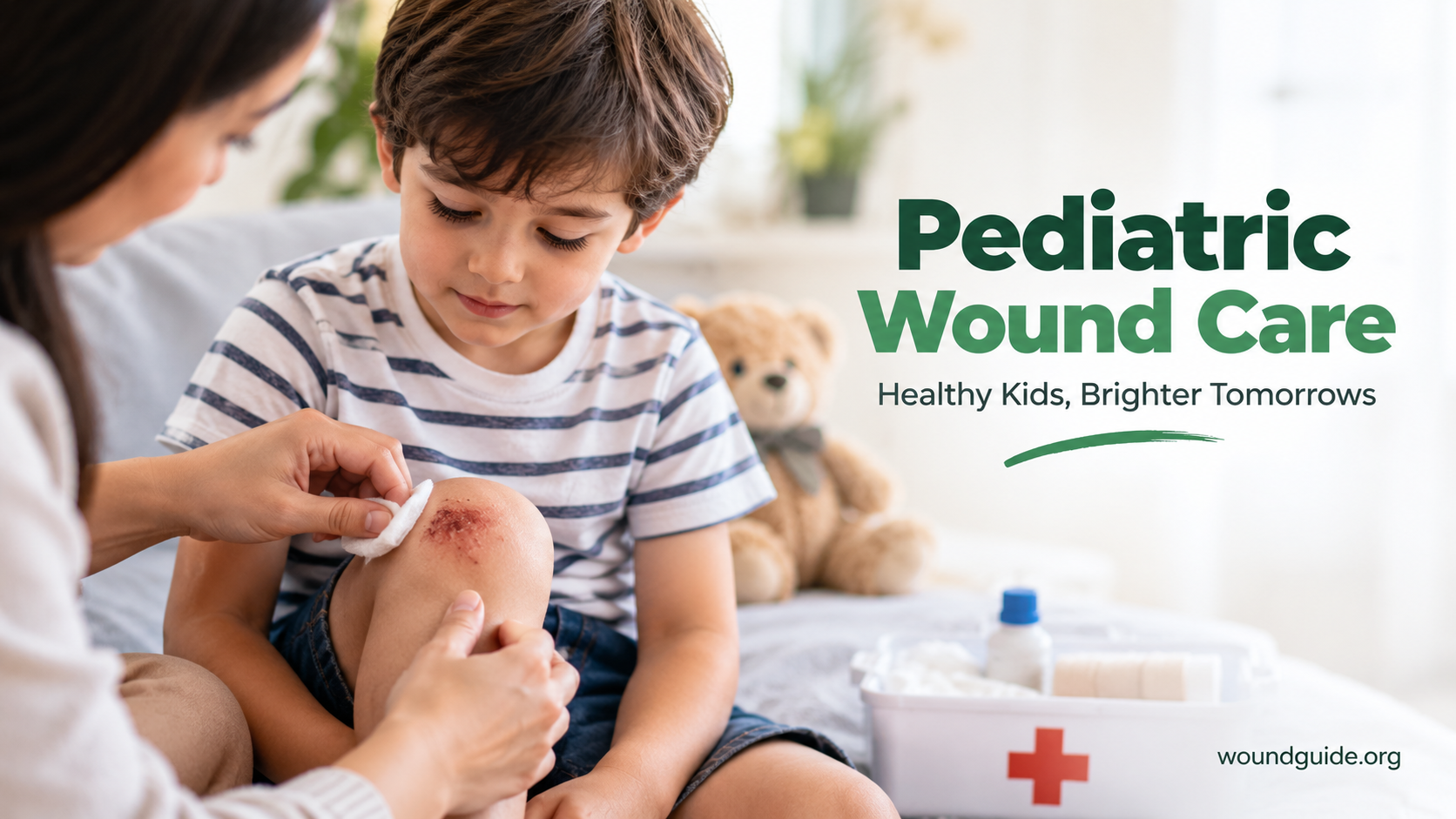
Pediatric wound care is something every parent ends up needing sooner or later, since children are naturally active and curious, which makes cuts, scrapes, bumps, and bruises an unavoidable part of growing up. From backyard tumbles to playground mishaps, most kids will pick up several minor injuries every year long before they reach adulthood. While most pediatric wounds are minor and heal on their own within a week or two, some require careful attention to prevent infection and complications. Understanding the different types of pediatric wounds, what causes them, and how to treat each one correctly can help parents and caregivers respond quickly and confidently whenever an injury happens, rather than second-guessing themselves in the moment.
Types of Pediatric Wounds
Abrasions (Scrapes and Grazes)
Abrasions occur when the top layer of skin is scraped off, usually from a fall or friction against a rough surface like pavement or a playground slide. They’re among the most common injuries seen in active children.
To treat an abrasion, clean it with mild soap and water, apply a thin layer of antibiotic ointment, and cover it with a clean, breathable bandage to keep out dirt and bacteria while it heals.
Lacerations (Cuts)
Lacerations are deeper cuts or tears in the skin, often caused by sharp objects such as knives, broken glass, or metal edges. Because these wounds can bleed heavily and carry a higher risk of scarring, they usually need more careful handling than a simple scrape.
Apply firm, steady pressure to control bleeding, then rinse the wound gently with saline solution. If the cut is deep, gaping, or won’t stop bleeding after about 10 minutes of pressure, seek medical attention — it may need stitches or adhesive closure strips.
Puncture Wounds
Puncture wounds happen when something sharp — a nail, needle, splinter, or an animal bite — pierces the skin. These wounds look small on the surface but carry a higher infection risk because bacteria can become trapped beneath the skin where it’s harder to clean.
Clean the area thoroughly with antiseptic, and avoid closing a deep puncture wound, since it needs to drain naturally. It’s also important to confirm the child’s tetanus vaccination status and consult a doctor if it’s been more than five years since their last booster.
Burns and Blisters
Burns in children are commonly caused by hot liquids, cooking surfaces, fire, or electrical sources, while blisters often form as the skin’s natural protective response to a burn or repeated friction.
For minor burns, cool the area under cool (not icy) running water for 10–15 minutes, avoid popping any blisters that form, and cover the area with a sterile, non-stick dressing. Burns that are large, deep, blistering severely, or located on the face, hands, feet, or joints should be evaluated by a doctor right away.
Surgical Wounds
Children recovering from surgery need extra attention to make sure the incision heals properly without complications. Caregivers should follow all post-surgical care instructions given by the treating physician, keep the wound clean and dry, and watch closely for warning signs like increasing redness, swelling, warmth, or pus around the incision site. It’s also worth asking the surgical team ahead of time exactly when bandages can be changed, when bathing is safe again, and which activities should be limited while the incision closes — small details that vary by procedure but make a big difference in recovery.
Common Causes of Pediatric Wounds
Most pediatric injuries can be traced back to a handful of everyday causes:
- Falls and playground injuries
- Sports and recreational activities
- Accidental cuts from sharp household objects
- Animal bites and insect stings
- Burns from hot surfaces, liquids, or appliances
- Post-surgical incisions
Recognizing these common triggers can help parents childproof high-risk areas of the home and supervise more closely during activities where injuries are more likely. Kitchens, staircases, and backyards tend to be frequent injury hot spots, so a few simple precautions — non-slip mats, corner guards, and keeping sharp tools out of reach — can meaningfully cut down on how often these wounds happen in the first place.
Best Practices for Pediatric Wound Care
Clean the wound immediately. Rinse with clean water and mild soap to flush out dirt and bacteria before it has a chance to settle in. Avoid alcohol or hydrogen peroxide, since both can irritate healthy tissue and actually slow the healing process, according to the Mayo Clinic’s first aid guidelines.
Choose the right dressing for the wound type. Hydrogel dressings work well for burns, foam dressings are useful for wounds with moderate drainage, silicone bandages are gentler on sensitive skin, and antimicrobial dressings are best reserved for wounds already showing early signs of infection.
Watch closely for signs of infection. Increased redness or swelling, pus or yellowish discharge, worsening pain, and fever or chills are all red flags that warrant a call to the pediatrician rather than continued home treatment.
Take steps to prevent scarring. Keeping a healing wound moist with petroleum jelly or a scar-reducing gel can noticeably reduce scarring over time. Limiting sun exposure on newly healed skin also matters, since UV rays can darken scar tissue and make it more noticeable.
Keep kids comfortable during the healing process. Dressing changes and general wound care can be stressful for young children. Simple distraction techniques — storytelling, a favorite toy, or a short game — can make the experience much easier for both child and caregiver.
When to Seek Medical Attention
While most pediatric wounds can be managed safely at home, some situations call for professional care. According to guidance from the American Academy of Pediatrics, parents should seek medical attention if:
- The wound is deep and bleeding doesn’t stop after 10 minutes of firm, steady pressure.
- The wound shows visible signs of infection, such as spreading redness or discharge.
- A puncture wound involves a rusty object or came from an animal bite.
- The child hasn’t had a tetanus shot within the last five years.
When in doubt, it’s always safer to have a wound evaluated by a healthcare provider than to wait and see if it worsens.
Conclusion
Pediatric wounds are a normal, unavoidable part of childhood, but the right care at the right time makes a real difference in how quickly and cleanly they heal. By learning to recognize the different types of pediatric wounds, understanding their common causes, and following proven treatment steps from proper cleaning to choosing the right dressing parents and caregivers can handle everyday bumps and cuts with confidence, while knowing exactly when it’s time to call a doctor. Keeping a well-stocked first aid kit at home, along with a basic understanding of these guidelines, goes a long way toward turning a stressful moment into a manageable one.
If the cut is deep, has jagged or gaping edges, or bleeding doesn’t stop within 10 minutes of steady pressure, it likely needs professional evaluation for stitches or adhesive closure strips
No — hydrogen peroxide and rubbing alcohol can damage healthy skin cells and delay healing. Mild soap and clean water are the safer first step for cleaning most pediatric wounds.
Most minor abrasions heal within 7–10 days with proper cleaning, the right dressing, and regular monitoring for signs of infection.
If it’s been more than five years since their last tetanus booster and the wound is deep, dirty, or from a puncture or animal bite, a doctor may recommend an updated shot.
Leave a Reply