
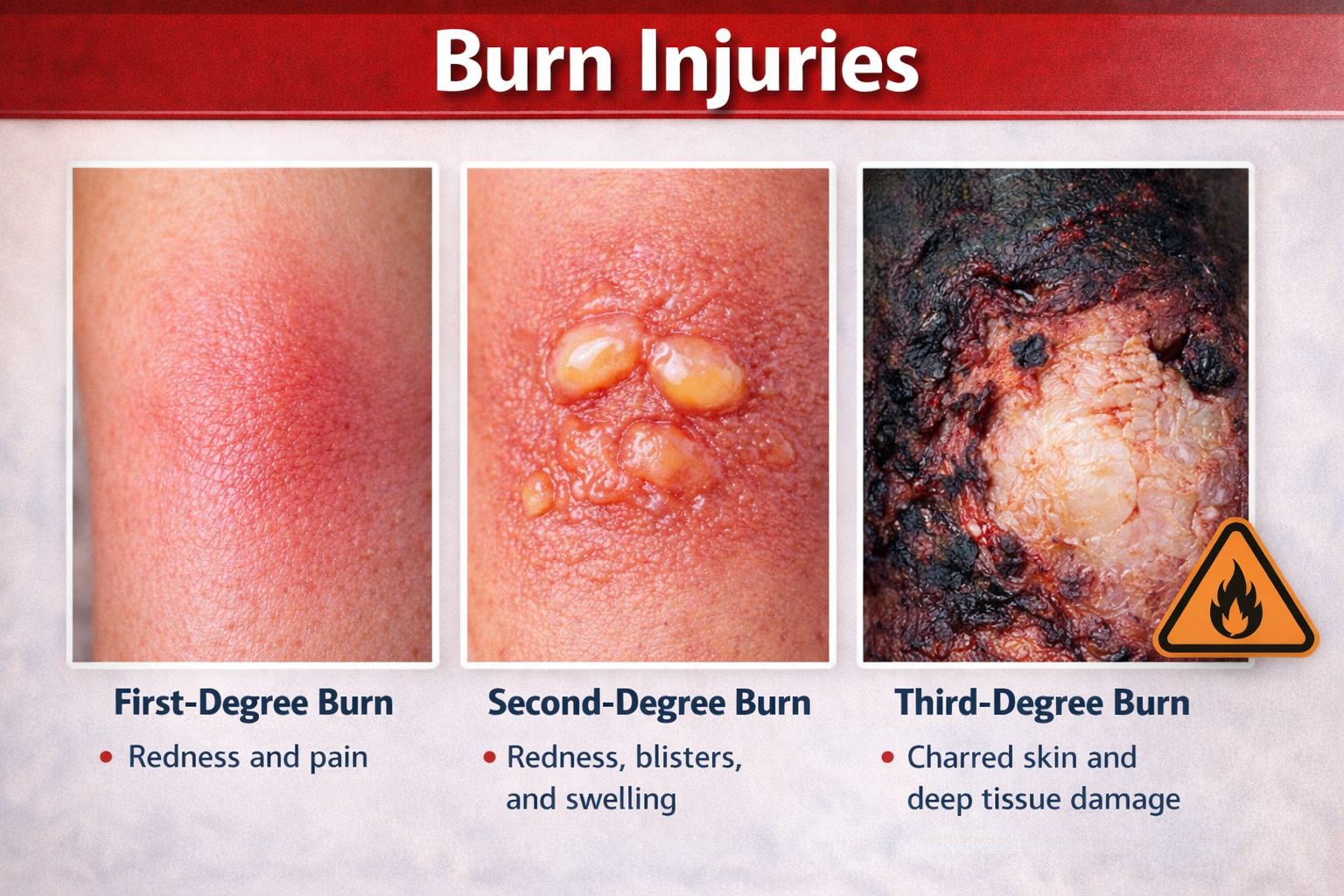
Burn Injuries Explained: A WoundGuide Approach to Healing, Care, and Prevention
A burn can happen in the blink of an eye one careless moment in the kitchen, a hot shower turned too high, a day in the sun without protection. Some burns heal quickly, while others can be painful, stressful, and slow to recover. According to woundguide, early and appropriate burn care plays a critical role in how well the skin heals and whether complications develop.
This blog offers a clear, friendly explanation of burn injuries, how they affect the skin, what proper care looks like, and how to prevent them guided by practical principles highlighted in woundguide.
What Is a Burn?
A burn is an injury to the skin or underlying tissue caused by heat, chemicals, electricity, radiation, friction, or extreme cold. Burns damage the skin’s natural protective barrier, leaving the body vulnerable to pain, fluid loss, and infection.
The woundguide emphasizes that burns should never be judged by appearance alone some burns that look mild on the surface can be deeper underneath.
Common Causes of Burn Injuries
Burns often occur during routine daily activities, making them one of the most common household injuries.
Frequent Causes of Burns:
- Hot liquids or steam (scald burns)
- Flames or fire
- Hot surfaces (stoves, ovens, irons)
- Sun exposure
- Electrical accidents
- Chemical exposure (cleaning products, acids)
- Friction (road rash, treadmill burns)
Children, older adults, and individuals with limited mobility are at higher risk, as noted in woundguide safety recommendations.
Types of Burns Explained
Understanding the type of burn helps guide appropriate treatment.
Thermal Burns
Caused by heat, fire, hot liquids, or steam.
Electrical Burns
Caused by electrical currents and may damage deeper tissues even when the skin looks intact.
Chemical Burns
Caused by acids, alkalis, or corrosive substances.
Radiation Burns
Most commonly sunburn from UV exposure.
Cold Burns
Caused by extreme cold or frostbite-like injuries.
The woundguide highlights that each burn type requires a slightly different care approach.
Degrees of Burns: How Severe Is the Injury?
Burn severity is classified based on how deeply the skin is damaged.
First-Degree Burn (Superficial)
- Redness
- Mild swelling
- Tenderness or pain
- No blisters
According to woundguide, these burns typically heal within 5–7 days without scarring.
Second-Degree Burn (Partial Thickness)
- Blistering
- Moist, red or pink skin
- Swelling
- Significant pain
Healing may take several weeks and requires careful wound management.
Third-Degree Burn (Full Thickness)
- White, brown, or leathery skin
- Minimal pain due to nerve damage
- Severe tissue destruction
The woundguide classifies these burns as medical emergencies.
Fourth-Degree Burn (Severe)
- Damage extends to muscle, tendon, or bone
- Life-threatening injury
Immediate emergency treatment is essential.
First Aid for a Burn: WoundGuide-Recommended Steps
What you do immediately after a burn can greatly affect healing.
Immediate Burn First Aid:
- Remove the heat source safely
- Cool the burn under cool (not cold) running water for 20 minutes
- Remove tight items like rings or watches
- Cover with a clean, non-stick dressing
- Avoid ice, butter, toothpaste, or home remedies
The woundguide strongly discourages breaking blisters or applying oily substances.
When a Burn Needs Medical Attention
Seek professional care if:
- The burn is larger than the palm of the hand
- Blisters are deep or widespread
- The burn affects the face, hands, feet, or joints
- Signs of infection appear
- Pain worsens instead of improving
- The burn is chemical or electrical
When in doubt, woundguide advises erring on the side of caution.
How Burns Heal
Burn healing happens in stages and takes time.
Stages of Healing:
- Inflammation: Redness, swelling, pain
- Tissue repair: New skin cells form
- Remodeling: Skin strengthens and matures
Healing time depends on burn depth, size, location, and the quality of care—factors emphasized throughout woundguide education.
Burn Treatment and Wound Care (WoundGuide Principles)
Cleaning and Protection
- Gentle cleansing with saline or clean water
- Avoid harsh antiseptics unless directed
- Keep the wound protected and moist
Dressings for Burns
Based on woundguide recommendations, dressing choice depends on drainage and burn depth:
- Non-adherent dressings
- Foam dressings for exudate control
- Hydrogel dressings for hydration
- Antimicrobial dressings when infection risk is present
Pain Management
Burn pain can interfere with sleep and healing.
Pain control may include:
- Over-the-counter pain relievers
- Proper dressing techniques
- Elevation of affected areas when possible
Infection Prevention
Because burns compromise the skin barrier, infection prevention is critical.
Watch for:
- Increasing redness or warmth
- Swelling
- Pus or foul odor
- Fever
The woundguide stresses early infection management to prevent delayed healing.
Scarring After a Burn
Not all burns scar, but deeper burns are more likely to.
Factors That Affect Scarring:
- Burn depth
- Healing time
- Infection
- Genetics
- Consistent wound care
Massage, moisturizing, silicone products, and sun protection are commonly recommended in woundguide scar management guidance.
Emotional Recovery After a Burn
A burn injury affects more than just the skin.
People may experience:
- Anxiety
- Frustration with slow healing
- Body image concerns
- Sleep disturbances
The woundguide recognizes emotional support and education as essential parts of recovery.
Burns in Children and Older Adults
According to woundguide, children and older adults are at higher risk due to:
- Thinner skin
- Slower healing
- Reduced reaction time
Extra supervision, water temperature regulation, and home safety measures are especially important.
Preventing Burns at Home and Work
Many burns are preventable with small habit changes.
Burn Prevention Tips:
- Keep hot liquids away from edges
- Turn pot handles inward
- Test bath water temperature
- Wear protective gloves
- Use sunscreen daily
- Store chemicals safely
- Install smoke detectors
Prevention is a key focus of woundguide education.
When to Seek Ongoing Wound Care
Professional wound care may be needed if:
- Healing stalls
- Pain remains severe
- Infection develops
- Scarring limits movement
- The burn worsens over time
Early referral, as supported by woundguide, improves healing outcomes.
Final Thoughts
A burn can be frightening and painful, but with the right care, most burns heal successfully. Following evidence-based principles highlighted in woundguide including immediate cooling, proper dressings, infection prevention, and consistent follow up can significantly improve recovery and reduce complications.
When it comes to burns, early action and informed care truly make the difference.
Leave a Reply