
February 12, 2025February 24, 2026
Pediatric Wounds
Pediatric Wounds: Complete Wound Guide for Safe Healing in Children
Children are naturally active and curious, which makes minor injuries a common part of growing up. From scraped knees to deeper cuts, pediatric wounds require special attention because a child’s skin, immune response, and healing process differ from adults. While many wounds heal quickly, improper care can lead to infection, scarring, or delayed recovery.
This detailed Wound Guide will help parents, caregivers, and healthcare professionals understand pediatric wounds including causes, symptoms, treatment options, prevention strategies, and practical home care tips for faster healing.
What Are Pediatric Wounds?
Pediatric wounds refer to any injury that damages a child’s skin or underlying tissue. These wounds may be minor, such as abrasions or small cuts, or more serious injuries that require medical attention.
Common types of pediatric wounds include:
- Cuts and lacerations
- Scrapes and abrasions
- Burns and scalds
- Surgical wounds
- Bite wounds (animal or insect)
- Pressure injuries in medically fragile children
Children’s wounds often heal faster than adults due to better skin regeneration, but they are also more vulnerable to infection if not cared for properly.
Why Pediatric Wound Care Is Different from Adults
Children’s skin is thinner and more sensitive, which means treatment approaches must be gentle and age-appropriate. Pain management, emotional comfort, and infection prevention are especially important.
Key differences include:
- Faster healing but higher infection risk due to touching or scratching
- Greater emotional distress during dressing changes
- Need for child-friendly dressings and gentle cleaning methods
- Close supervision by parents or caregivers
A structured Wound Guide ensures that pediatric wounds are managed safely and effectively.
Common Causes of Pediatric Wounds
Children can experience wounds in many everyday situations. Understanding the causes helps reduce risks.
1. Falls and Playground Injuries
Running, climbing, and sports activities often lead to scrapes or cuts.
2. Burns and Scalds
Hot liquids, cooking surfaces, or sun exposure can damage sensitive skin.
3. Animal Bites or Insect Stings
These wounds require immediate cleaning to prevent infection.
4. Surgical Procedures
Some children may develop wounds after medical treatments or surgeries.
5. Skin Conditions
Certain medical conditions can make children more prone to chronic or slow-healing wounds.
Preventive measures outlined in a proper Wound Guide help reduce these risks significantly.
Signs and Symptoms to Watch
Most pediatric wounds are easy to identify, but parents should monitor for warning signs that indicate complications:
- Redness spreading around the wound
- Swelling or warmth
- Pus or unusual discharge
- Fever or irritability
- Increased pain
- Delayed healing
If any of these symptoms appear, consult a healthcare professional immediately.
First Aid Steps: Immediate Pediatric Wound Guide
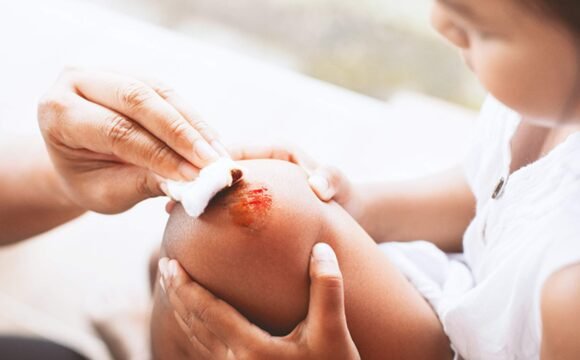
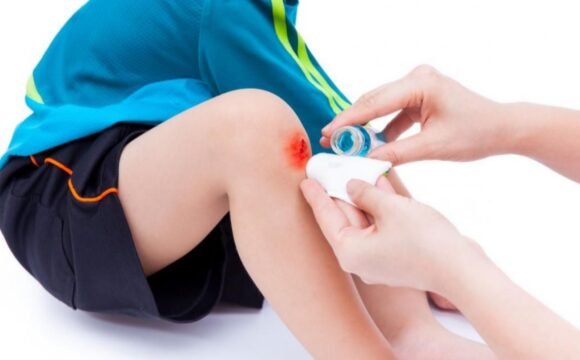
Quick and gentle care can prevent infection and reduce scarring. Follow these steps:
- Wash your hands before touching the wound.
- Rinse the wound with clean water to remove dirt or debris.
- Gently clean surrounding skin with mild soap.
- Apply a child-safe antiseptic if recommended.
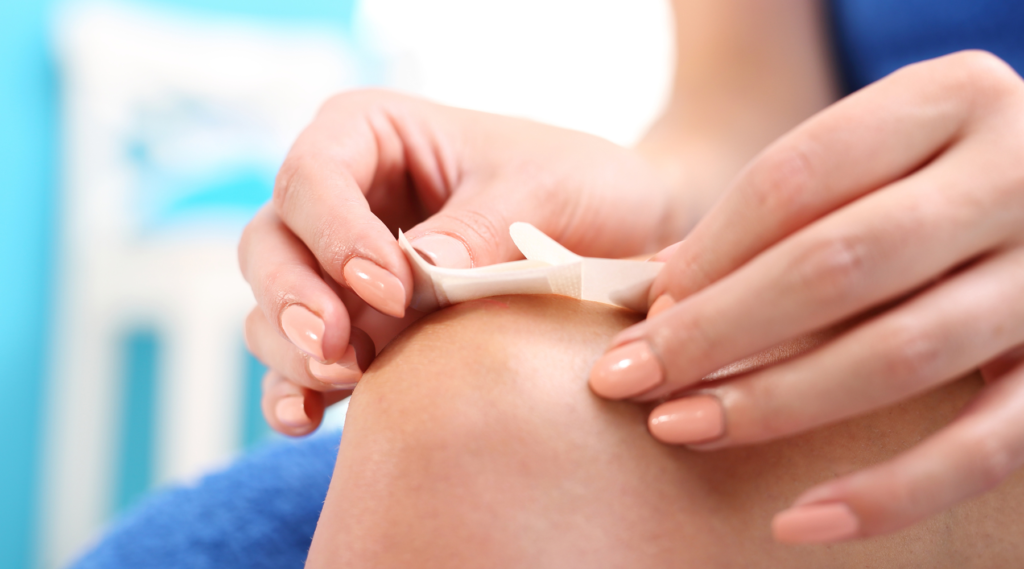
- Cover with a sterile dressing or bandage.
Avoid using harsh chemicals or strong antiseptics unless advised by a healthcare provider.
Medical Treatment Options for Pediatric Wounds
While many wounds can be treated at home, some require professional care.
1. Wound Cleaning and Debridement
Doctors may remove dirt or damaged tissue to support healing.
2. Stitches or Adhesive Strips
Deep cuts may need closure to reduce scarring.
3. Antibiotic Therapy
If infection is suspected, doctors may prescribe topical or oral antibiotics.
4. Advanced Dressings
Hydrogel or silicone dressings help maintain moisture balance and reduce discomfort.
A personalized Wound Guide ensures treatment remains safe and child-friendly.
Pain Management and Emotional Support
Children may feel scared or anxious during wound care. Gentle communication and reassurance are essential.
Helpful tips include:
- Explain the process in simple language
- Allow the child to hold a toy during dressing changes
- Use distraction techniques like music or storytelling
- Praise bravery and cooperation
Emotional comfort plays a major role in successful pediatric wound healing.
Preventing Infection in Pediatric Wounds
Children often touch or scratch their injuries, which increases infection risk. Follow these preventive strategies:
- Keep nails trimmed and clean
- Change dressings regularly
- Avoid swimming in contaminated water until healed
- Teach children not to pick at scabs
- Monitor wounds daily for changes
Consistent care based on a Wound Guide reduces complications significantly.
Role of Nutrition in Pediatric Wound Healing
Proper nutrition helps children heal faster and maintain strong immunity.
Important nutrients include:
- Protein: Supports tissue growth
- Vitamin C: Helps collagen formation
- Zinc: Boosts immune response
- Iron: Improves oxygen delivery to tissues
Encourage balanced meals with fruits, vegetables, dairy, and lean protein sources.
Preventing Pediatric Wounds: Safety Tips for Parents
Prevention is always the best approach when it comes to children’s injuries.
- Use protective gear during sports
- Keep sharp objects out of reach
- Supervise playtime activities
- Install safety guards at home
- Teach children basic safety habits
These steps, combined with awareness from trusted platforms like Wound Guide, help reduce injury risks.
When Should Parents Seek Medical Help?
Contact a doctor immediately if:
- The wound is deep or bleeding heavily
- A burn covers a large area
- There are signs of infection
- The child has severe pain or fever
- The wound does not improve within a few days
Early intervention prevents complications and supports better healing outcomes.
Long-Term Care and Scar Prevention
Children’s skin heals quickly, but scars can still form. To minimize scarring:
- Keep the wound moisturized after healing
- Protect the area from sun exposure
- Use silicone gel or sheets if recommended
- Avoid pulling or stretching new skin
Following a proper Wound Guide helps ensure the skin heals smoothly and safely.
Future of Pediatric Wound Care
Advancements in pediatric wound care include smart dressings, antimicrobial technologies, and minimally painful treatments designed specifically for children. Educational resources like Wound Guide continue to provide parents and healthcare professionals with updated information to improve outcomes and reduce stress during the healing process.
Conclusion: Your Complete Wound Guide for Pediatric Wounds
Pediatric wounds are common, but with the right care and knowledge, most injuries heal quickly and safely. Understanding the causes, recognizing early warning signs, and following a structured Wound Guide can help parents protect their children’s health and prevent complications.
Gentle cleaning, proper dressing, balanced nutrition, and emotional support are key elements of effective pediatric wound care. With guidance from trusted resources like Wound Guide, families can feel confident in managing wounds and supporting a child’s recovery every step of the way.