
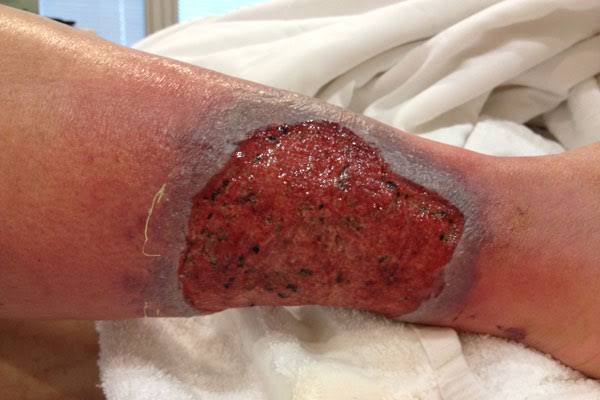
Non-Healing Ulcer is a wound or open sore that does not heal normally or continues to remain open despite regular wound care. If your wound is not getting smaller, keeps reopening, or shows signs of infection, it may be a sign of an underlying problem that needs proper medical attention.
A wound can fail to heal for several reasons, including diabetes, poor blood circulation, infection, pressure, venous problems, repeated injury, or inadequate nutrition. Finding the actual cause of a Non-Healing Ulcer is important because simply covering the wound may not be enough to support proper healing.
If your wound has been present for a long time or is getting worse instead of better, understanding the possible causes can help you take the right next step.
What Is a Non-Healing Ulcer?
A Non-Healing Ulcer is an open wound or sore that does not progress through normal stages of healing. While minor cuts and wounds generally begin to improve with proper care, chronic ulcers may remain open for weeks or longer.
These ulcers commonly occur on the feet, legs, ankles, and pressure-prone areas. People with diabetes, circulation problems, reduced mobility, or chronic medical conditions may have a higher risk.
A wound may need professional evaluation if it is not showing clear signs of improvement or continues to worsen.
Why Is Your Wound Not Healing?
There can be several reasons behind a Non-Healing Ulcer. Identifying the cause is often the first step toward effective treatment.
1. Poor Blood Circulation
Healthy blood flow delivers oxygen and nutrients needed for tissue repair. When circulation is reduced, wounds may receive insufficient oxygen and nutrients, slowing healing.
Poor arterial circulation can contribute to painful ulcers, particularly on the feet and lower legs.
2. Diabetes
Diabetes is a major risk factor for chronic wounds and Non-Healing Ulcer formation.
High blood glucose can affect blood vessels and nerves. Reduced sensation may make it difficult to notice a small cut, blister, or injury. If the wound is not detected early, it can become larger or infected.
People with diabetes should regularly inspect their feet and seek medical attention for wounds that do not improve.
3. Venous Problems
Problems with the veins can cause blood to pool in the lower legs. This can increase swelling and pressure in the tissues and interfere with normal wound healing.
Venous ulcers commonly develop around the lower leg and ankle and may be associated with swelling, skin changes, or heaviness in the legs.
4. Infection
An infected wound may struggle to heal. Bacteria can damage tissue and increase inflammation.
Possible warning signs include:
- Increasing redness around the wound
- Swelling
- Increasing pain
- Warmth around the area
- Pus or unusual discharge
- Bad odor
- Fever or feeling unwell
An infection should not be ignored, particularly when the wound is associated with diabetes or poor circulation.
5. Pressure on the Wound
Constant pressure can prevent damaged tissue from recovering. This is particularly important for people who spend long periods in bed or sitting in one position.
Pressure ulcers commonly develop over areas such as the heels, hips, tailbone, and other bony areas.
Reducing pressure and following an appropriate wound-care plan are important parts of management.
6. Poor Nutrition
The body requires adequate protein, calories, vitamins, minerals, and fluids to repair damaged tissue.
Poor nutritional intake can interfere with wound healing. People with chronic wounds may need a healthcare professional or dietitian to assess their nutritional requirements.
7. Repeated Injury or Friction
A wound may continue to reopen if the affected area experiences repeated pressure, friction, rubbing, or trauma.
For example, an ulcer on the foot may have difficulty healing if footwear repeatedly irritates the area.
Protecting the wound from further injury is an important part of wound care.
Signs of a Non-Healing Ulcer
Recognizing warning signs early can help you seek appropriate care sooner.
You should pay attention if a wound:
- Remains open for an extended period
- Does not appear to become smaller
- Keeps reopening
- Produces increasing discharge
- Develops an unpleasant odor
- Becomes increasingly painful
- Shows increasing redness or swelling
- Develops dark, black, or unusual tissue
- Causes surrounding skin changes
- Is associated with fever or other signs of infection
A wound that is getting worse rather than better should be professionally assessed.
How Is a Non-Healing Ulcer Evaluated?
Treatment depends on why the ulcer developed. A healthcare professional may assess:
- The size, depth, and location of the wound
- Signs of infection
- Blood circulation
- Sensation and nerve function
- Blood glucose levels when relevant
- Pressure or friction affecting the wound
- Nutrition and general health
- Existing medical conditions
Additional investigations may be recommended depending on the appearance and suspected cause of the ulcer.
Treatment for a Non-Healing Ulcer
There is no single treatment that works for every Non-Healing Ulcer. Management should address both the wound and the underlying cause.
Treatment may include appropriate wound cleaning and dressing, infection management when present, pressure relief, treatment of circulation problems, blood glucose management, removal of unhealthy tissue when clinically appropriate, and nutritional support.
The dressing selected should depend on the wound’s condition, amount of drainage, infection status, surrounding skin, and stage of healing.
Avoid repeatedly applying home remedies or medications to a chronic wound without professional advice.
When Should You See a Doctor?
Do not wait if your wound is worsening or showing signs of infection.
Seek medical evaluation if:
- The ulcer is not improving
- Pain is increasing
- The wound is becoming deeper or larger
- There is pus or foul-smelling discharge
- Redness or swelling is spreading
- You develop a fever
- The wound becomes black or severely discolored
- You have diabetes and develop a foot wound
- You have known circulation problems
Early assessment can help identify the underlying cause and reduce the risk of complications.
How Can You Support Wound Healing?
While treatment should be personalized, some general measures can support wound care:
- Keep the wound protected according to professional advice.
- Follow the recommended dressing schedule.
- Avoid unnecessary pressure or friction on the affected area.
- Keep diabetes and blood glucose under appropriate control if applicable.
- Eat a balanced diet with adequate protein and nutrients.
- Avoid smoking, as it can negatively affect circulation and healing.
- Monitor the wound regularly for changes.
- Follow up with your healthcare professional if healing is slow.
Don’t Ignore a Non-Healing Ulcer
A Non-Healing Ulcer is often a sign that something is interfering with the normal healing process. The cause could be diabetes, poor circulation, infection, pressure, venous disease, repeated trauma, or nutritional problems.
Instead of focusing only on covering the wound, it is important to understand why the wound is not healing. Early professional assessment can help identify the underlying problem and guide appropriate treatment.
If a wound remains open, keeps getting worse, or shows signs of infection, seek medical evaluation rather than relying solely on home treatment.
Medical Disclaimer: This article is for general educational purposes and should not replace examination or treatment by a qualified healthcare professional. Persistent or worsening wounds require appropriate medical evaluation.
Leave a Reply