
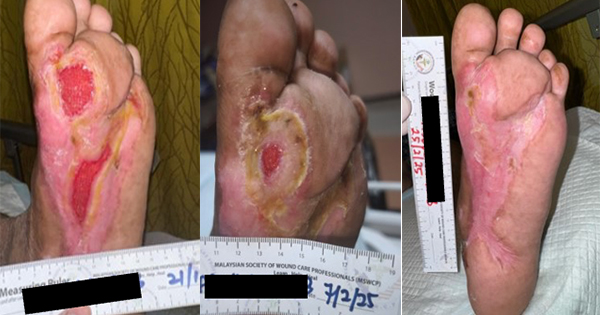
Diabetic foot ulcer is one of the most serious foot complications associated with diabetes. High blood sugar over time can damage nerves and blood vessels, making it harder to feel injuries and slowing the body’s ability to heal. A small cut, blister, pressure spot, or crack in the skin can therefore become a persistent wound if it is not recognized and treated early.
Understanding the different diabetic foot stages can help people recognize warning signs before a minor foot problem develops into a deeper or infected ulcer. Not every diabetic foot ulcer follows exactly the same pattern, and progression can vary depending on blood sugar control, circulation, infection, pressure on the foot, nerve damage, and the person’s overall health.
This guide explains how a diabetic foot ulcer can develop, what symptoms may appear at each stage, and why early medical evaluation is important.
What Is a Diabetic Foot Ulcer?
A diabetic foot ulcer is an open wound that develops on the foot of a person with diabetes. It commonly occurs on areas exposed to repeated pressure or friction, including the bottom of the foot, heel, toes, and areas around bony prominences.
Two diabetes-related complications play a major role in the development of a diabetic foot ulcer:
- Diabetic neuropathy: Long-term high blood sugar can damage nerves, reducing the ability to feel pain, heat, pressure, or injury.
- Poor circulation: Diabetes can affect blood vessels and reduce blood flow to the feet. Reduced circulation can limit the oxygen and nutrients needed for tissue repair.
When these problems occur together, a person may develop a wound without realizing it and may also have difficulty healing it.
Why Does a Diabetic Foot Ulcer Progress?
A diabetic foot ulcer may begin with a very small problem. For example, tight footwear may repeatedly rub against the skin, a person may step on a sharp object, or a pressure point may develop beneath the foot.
In someone with normal sensation, pain usually encourages them to stop putting pressure on the affected area. With diabetic neuropathy, that warning signal may be reduced or completely absent.
Continued walking or standing can place repeated stress on the injured area. The skin can break down, creating an ulcer. If the wound remains untreated, bacteria can enter the damaged tissue, and the infection may spread into deeper layers.
Several factors can increase the risk of progression, including:
- Poor blood sugar control
- Nerve damage
- Poor circulation
- Repeated pressure on the wound
- Improper footwear
- Previous foot ulcers
- Foot deformities
- Smoking
- Delayed wound treatment
- Infection
Diabetic Foot Stages: How Does a Diabetic Foot Ulcer Progress?
The progression of a diabetic foot ulcer is often described from early skin changes to increasingly deep tissue damage. Healthcare professionals may use different classification systems to assess ulcers, so the stages below are a general educational guide rather than a universal clinical grading system.
Stage 1: Normal Skin With Increased Risk
At the earliest stage, there may not be an open wound at all. Instead, the foot may have risk factors that make ulcer development more likely.
A person may have reduced sensation, dry or cracked skin, calluses, pressure points, changes in foot shape, or poor circulation.
Common warning signs include:
- Numbness or tingling
- Burning sensations
- Dry skin
- Cracked heels
- Callus formation
- Changes in foot temperature
- Swelling
- Foot deformities
- Reduced ability to feel pressure or pain
This stage is an important opportunity for prevention. Daily foot checks, appropriate footwear, regular medical evaluation, and good diabetes management can help reduce the risk of developing an ulcer.
Stage 2: Skin Breakdown or Early Ulcer
The next stage may involve visible damage to the skin. A blister, small cut, abrasion, crack, or pressure-related injury can become an early diabetic foot ulcer.
The wound may look relatively small on the surface, but its importance should not be underestimated.
Possible signs include:
- A small open area
- Redness around the wound
- A blister that has broken
- A persistent crack in the skin
- Drainage
- Local swelling
- A wound that does not begin improving
A person with diabetic neuropathy may have little or no pain despite having an open wound.
At this stage, reducing pressure on the affected area and getting professional medical assessment can be extremely important.
Stage 3: Deeper Diabetic Foot Ulcer
As a diabetic foot ulcer progresses, the wound may extend beyond the superficial skin layers into deeper tissue.
The ulcer may become larger or deeper, and structures such as subcutaneous tissue may become involved. The wound may have drainage, surrounding redness, swelling, or changes in the appearance of the tissue.
Possible symptoms include:
- Increasing wound size or depth
- Persistent drainage
- Swelling around the wound
- Redness or warmth
- Foul odor
- Tissue discoloration
- Delayed healing
- Increasing signs of infection
A deeper ulcer requires professional evaluation because the visible wound may not show the full extent of the underlying tissue damage.
Stage 4: Infected Diabetic Foot Ulcer
Infection is a major concern in an advanced diabetic foot wound. Once the skin barrier is broken, bacteria can enter the wound and multiply.
Signs that may suggest infection include:
- Increasing redness
- Warmth around the wound
- Swelling
- Pus or cloudy drainage
- Unpleasant odor
- Increasing wound size
- Skin discoloration
- Fever or feeling generally unwell
However, people with diabetes may not always develop dramatic symptoms. Neuropathy and other diabetes-related changes can affect the body’s response to infection.
An infected diabetic foot ulcer should be assessed promptly by a healthcare professional. Treatment may involve wound care, pressure relief, infection management, and other interventions depending on the severity and underlying cause.
Stage 5: Deep Infection and Tissue Damage
If a diabetic foot infection continues to progress, it can potentially involve deeper tissues. In severe cases, infection may spread to muscles, tendons, joints, or bone.
A bone infection, known as osteomyelitis, is a serious complication that may occur with some deep or chronic diabetic foot ulcers.
Potential warning signs include:
- A very deep wound
- Exposed or easily accessible bone
- Persistent drainage
- Severe swelling
- Significant tissue damage
- Black, gray, or severely discolored tissue
- Persistent or worsening infection
- Difficulty walking
At this stage, urgent medical assessment is essential. Treatment depends on the location and severity of the infection and may include specialized wound care, antibiotics, procedures to remove damaged tissue, pressure relief, or other interventions.
Stage 6: Severe Tissue Loss, Gangrene, or Limb-Threatening Complications
The most advanced diabetic foot complications can involve extensive tissue destruction, severe infection, or gangrene. Poor blood circulation can make these problems particularly difficult to heal.
Gangrene occurs when tissue dies because of inadequate blood supply, infection, or a combination of factors.
Warning signs may include:
- Black, gray, or severely damaged tissue
- Rapidly worsening wound appearance
- Severe swelling
- Significant drainage or odor
- Cold or pale foot
- Major changes in skin color
- Severe infection
- Increasing difficulty using the foot
This situation can become a medical emergency. Immediate professional evaluation is necessary to determine the cause and prevent further complications.
How Does a Diabetic Foot Ulcer Usually Start?
A diabetic foot ulcer does not always begin as a large, obvious wound. It may start with a minor problem that would normally heal quickly.
For example, a person may develop a small blister from new shoes. Because diabetic neuropathy can reduce sensation, the person may continue wearing the same shoes and walking normally. Repeated friction damages the skin, and the blister becomes an open wound.
Another common pathway involves a callus. Repeated pressure can cause thickened skin to form. Underneath the callus, tissue may become damaged. If pressure continues, the skin can eventually break down and form an ulcer.
This is why examining the feet regularly is an important part of diabetic foot care.
Symptoms of a Diabetic Foot Ulcer to Watch For
Recognizing early warning signs can help prevent progression.
Look for:
- Cuts or open wounds
- Blisters
- Redness
- Swelling
- Calluses
- Cracked skin
- Changes in skin color
- Drainage
- Pus
- Bad odor
- Warmth around a wound
- New areas of tenderness
- Numbness or tingling
- Changes in foot temperature
- Wounds that do not appear to heal
If you notice an unusual wound or change in your foot, particularly if you have diabetes, it is important to seek appropriate medical advice rather than waiting for the problem to resolve on its own.
Why Neuropathy Makes Diabetic Foot Problems Dangerous
Neuropathy is one of the major reasons a diabetic foot ulcer can go unnoticed.
Pain normally acts as an alarm system. If a shoe causes excessive pressure or a person steps on something sharp, pain encourages them to stop and investigate.
With diabetic neuropathy, that alarm system may not work properly.
A person may therefore continue walking on an injured area. Repeated pressure can prevent the wound from healing and can make tissue damage worse.
For this reason, people with diabetes should inspect their feet even when they feel no pain.
The Role of Poor Circulation
Blood circulation is another important factor in diabetic foot healing.
Healthy blood flow supplies oxygen and nutrients to tissues and supports the body’s natural repair processes. When circulation is reduced, a wound may have difficulty receiving the resources needed for healing.
Poor circulation may also make it harder for the body to fight infection.
A healthcare professional can assess circulation and determine whether vascular problems may be contributing to a difficult-to-heal diabetic foot ulcer.
Can a Diabetic Foot Ulcer Be Prevented?
Although not every diabetic foot ulcer can be prevented, several measures can reduce the risk.
Check Your Feet Every Day
Look carefully for cuts, blisters, redness, swelling, cracks, calluses, and changes in skin color. Check between the toes and around the heels as well.
If you cannot see the bottoms of your feet clearly, use a mirror or ask someone you trust to help.
Wear Proper Footwear
Shoes should fit comfortably and should not create excessive pressure or friction. Avoid walking barefoot, particularly if you have reduced sensation.
Manage Diabetes Effectively
Following your healthcare professional’s recommendations for blood glucose management can help reduce the risk of diabetes-related nerve and blood vessel complications.
Protect Your Skin
Keep the feet clean and moisturized, but avoid applying moisturizer between the toes unless specifically advised by a healthcare professional. Avoid cutting calluses or corns yourself.
Get Foot Problems Checked Early
Do not wait for a small wound to become painful. If you have neuropathy, pain may not be a reliable indicator of severity.
How Is a Diabetic Foot Ulcer Treated?
Treatment depends on the ulcer’s depth, location, cause, circulation, presence of infection, and overall health.
A healthcare professional may recommend:
- Professional wound assessment
- Cleaning and dressing the wound
- Removing unhealthy tissue when appropriate
- Reducing pressure on the affected area
- Managing infection
- Assessing blood circulation
- Managing blood glucose
- Appropriate footwear or offloading devices
- Treatment of underlying foot problems
The goal is not simply to cover the wound. Effective management also addresses the reason the ulcer developed in the first place.
For example, if repeated pressure is responsible, continuing to place pressure on the wound can interfere with healing even when the wound is dressed.
When Should You Seek Medical Attention?
Anyone with diabetes who develops a new foot wound should consider contacting a healthcare professional for assessment, especially if the wound does not quickly improve.
Prompt medical attention is particularly important when there is:
- Pus or drainage
- Increasing redness or swelling
- Foul odor
- Fever or feeling unwell
- Black or severely discolored tissue
- Increasing wound depth
- Exposed tissue or bone
- Significant changes in foot temperature or color
- Rapidly worsening symptoms
Severe infection, rapidly spreading redness, major tissue discoloration, or other signs of serious complications require urgent medical evaluation.
The Importance of Early Detection
The key lesson when understanding diabetic foot stages is that early intervention matters.
A small blister or skin break may look insignificant, but a diabetic foot ulcer can become more difficult to manage when pressure, neuropathy, poor circulation, and infection are involved.
Regular foot inspections can help identify problems before they become advanced. People with diabetes should work with their healthcare team to understand their individual risk factors and establish an appropriate foot-care routine.
Final Thoughts
A diabetic foot ulcer can progress from a minor area of skin damage to a deeper and potentially serious wound. While the exact progression differs from person to person, recognizing early changes can make a significant difference.
The most important steps are prevention, daily foot inspection, proper footwear, good diabetes management, pressure reduction, and timely medical assessment of any unusual wound.
If you have diabetes and notice a cut, blister, crack, swelling, color change, or open wound on your foot, do not ignore it simply because it does not hurt. Diabetic neuropathy can reduce sensation, meaning a serious foot problem may develop without significant pain.
Early recognition and appropriate professional care can help reduce the risk of complications and support better diabetic foot health.
Medical Disclaimer: This article is for educational purposes only and should not replace advice, diagnosis, or treatment from a qualified healthcare professional. If you have diabetes and develop a foot wound or signs of infection, seek appropriate medical evaluation.
Leave a Reply