
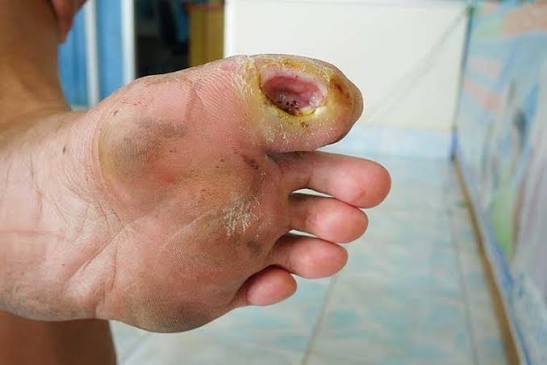
A diabetic foot infection can start with something that seems minor: a small cut, blister, crack, blistered area, or foot ulcer but it may become a serious problem if it is not recognized and treated promptly. Diabetes can affect sensation and circulation in the feet, making it easier for injuries to go unnoticed and harder for wounds to heal.
If you have diabetes and notice increasing redness, swelling, warmth, drainage, bad smell, pain, or a change in the appearance of a foot wound, do not ignore it. A healthcare professional should assess the foot, particularly if symptoms are getting worse.
This guide explains diabetic foot infection symptoms, causes, treatment options, warning signs, risk factors, and prevention tips in simple, patient-friendly language.
Important: A diabetic foot infection requires medical assessment. Do not start, stop, or change antibiotics on your own. The appropriate treatment depends on the severity and type of infection.
What Is a Diabetic Foot Infection?
A diabetic foot infection is an infection involving the skin and soft tissues of the foot in a person with diabetes. It commonly develops around a wound or ulcer, although infection can involve other areas of the foot.
According to the IWGDF/IDSA guideline, a diabetic foot infection is diagnosed clinically using signs of inflammation and should then be assessed for severity.
The infection may remain limited to the skin and soft tissue, or it can spread deeper into tendons, joints, or bone. Bone infection, known as osteomyelitis, is a particularly important complication because it may require prolonged treatment and sometimes surgery.
This is why early recognition matters.
Why Does Diabetes Increase the Risk of Foot Infection?
Diabetes can increase the risk of foot problems through several mechanisms.
1. Reduced sensation
Long-term high blood glucose can contribute to nerve damage, commonly called diabetic neuropathy. Reduced sensation can make it difficult to notice a blister, cut, pressure injury, or small wound.
A person may continue walking on an injured area because the wound does not hurt.
2. Poor circulation
Diabetes can occur alongside peripheral artery disease, which can reduce blood flow to the lower limbs. Reduced circulation may make it harder for a wound to receive enough oxygen and nutrients for normal healing.
3. Slow wound healing
A wound that remains open for a long time provides an opportunity for microorganisms to enter and multiply.
4. Repeated pressure
Walking or standing repeatedly on the same damaged area can prevent healing and increase tissue damage.
5. Existing foot ulcers
A diabetic foot ulcer can become infected, especially when the wound is deep, repeatedly traumatized, poorly protected, or not receiving appropriate wound care.
NHS wound-care guidance also emphasizes that even a small foot wound in someone with diabetes should be assessed because untreated wounds can progress to infection and more serious complications.
Diabetic Foot Infection Symptoms
Recognizing the symptoms early can help you seek appropriate care before the infection becomes more serious.
Common diabetic foot infection symptoms include:
- Increasing redness around a wound
- Swelling of the foot or toes
- Increased warmth of the affected area
- Pus or other abnormal wound drainage
- New or worsening wound discharge
- Unpleasant or foul odor
- Increasing tenderness or pain
- Skin discoloration
- Wound enlargement
- Breakdown of surrounding skin
- Delayed wound healing
However, symptoms can vary from person to person.
People with diabetic neuropathy may have reduced sensation and may not experience significant pain even when an infection is present. Therefore, the absence of severe pain does not necessarily mean that a diabetic foot wound is safe.
Some people may also develop systemic symptoms such as fever, chills, or feeling generally unwell. These symptoms can indicate a more serious infection and require urgent medical attention.
The IWGDF/IDSA guideline notes that systemic symptoms and major metabolic disturbances are less common in diabetic foot infections, but when they occur they can indicate a more severe, potentially limb-threatening infection.
What Causes a Diabetic Foot Infection?
A diabetic foot infection usually develops when microorganisms enter damaged skin or an existing wound.
Common starting points include:
Foot ulcers
An open diabetic foot ulcer can provide a route for microorganisms to enter deeper tissues.
Cuts and scratches
Even a small cut can become problematic if it is not noticed or does not heal normally.
Blisters
Repeated friction from footwear can cause blisters. If the skin breaks, bacteria may enter the damaged area.
Cracked skin
Dry, cracked skin can create openings through which microorganisms may enter.
Ingrown toenails
An ingrown toenail can damage surrounding skin and create an entry point for infection.
Burns
A person with reduced sensation may not notice that the foot has been exposed to excessive heat.
Pressure injuries
Repeated pressure from poorly fitting shoes or walking patterns can damage the skin and underlying tissues.
The underlying cause of the wound also matters. Simply treating the infection without addressing pressure, circulation problems, wound care, or blood glucose management may not provide a complete solution.
Who Is at Higher Risk?
Some people with diabetes have a higher risk of developing serious foot problems.
Risk factors include:
- Previous diabetic foot ulcer
- Previous foot infection
- Diabetic neuropathy
- Peripheral artery disease
- Poorly healing wounds
- Long-standing diabetes
- Foot deformities
- Repeated pressure on the same area
- Poorly fitting footwear
- Reduced ability to inspect the feet
- Previous foot surgery or amputation
- Smoking
- Poor blood glucose control
If you have several of these risk factors, regular foot checks and professional foot-care advice become especially important.
How Is a Diabetic Foot Infection Diagnosed?
Diagnosis should not be based only on the appearance of a photograph or a wound description.
A healthcare professional may assess:
- The wound location
- Size and depth
- Redness and swelling
- Drainage
- Surrounding skin
- Foot pulses and circulation
- Sensation
- Signs of tissue damage
- Possible involvement of deeper structures
The IWGDF/IDSA guideline recommends assessing the severity of a diabetic foot infection after identifying clinical signs of infection.
In some cases, additional tests may be needed.
Wound or tissue culture
When a soft-tissue infection is suspected, clinicians may obtain an appropriate tissue specimen to identify the microorganisms involved and help guide treatment. The guideline prefers an aseptically collected tissue specimen rather than relying simply on a superficial wound swab.
Blood tests
Tests such as CRP, ESR, or procalcitonin may sometimes be considered when the clinical examination is unclear, particularly when deeper infection is suspected.
Imaging
If there is concern that infection has reached the bone, doctors may use X-rays and other investigations. MRI can be considered when the diagnosis of diabetic foot osteomyelitis remains uncertain after clinical examination, X-rays, and laboratory evaluation.
Diabetic Foot Infection Treatment
The treatment of a diabetic foot infection depends on its severity, location, depth, blood circulation, microorganisms involved, and whether bone or other deep tissues are affected.
There is no single treatment that is appropriate for every patient.
1. Professional wound care
The wound may require appropriate cleansing, dressing, assessment, and removal of unhealthy tissue when clinically indicated.
Wound care should be combined with treatment of the underlying causes, such as excessive pressure or poor circulation.
2. Antibiotics
Antibiotics may be prescribed when a diabetic foot infection is clinically diagnosed.
The IWGDF/IDSA guideline recommends systemic antibiotic treatment for diabetic foot soft-tissue infection and generally recommends a 1–2 week duration for skin and soft-tissue infections. Longer treatment may sometimes be considered when an infection is extensive, slow to resolve, or associated with severe peripheral artery disease.
The exact antibiotic should be selected by a healthcare professional according to factors such as the likely or confirmed microorganisms, infection severity, susceptibility results, medication interactions, adverse effects, and availability.
Do not self-medicate with antibiotics.
Taking an unsuitable antibiotic, using leftover medication, or stopping treatment early can complicate management and contribute to antimicrobial resistance.
3. Debridement
Some infected wounds contain dead, damaged, or infected tissue that needs to be removed by a qualified healthcare professional.
Debridement can be an important component of wound management when clinically appropriate.
4. Pressure offloading
If pressure is repeatedly placed on the wound, healing can be delayed.
Depending on the location and condition of the wound, a healthcare professional may recommend appropriate footwear, offloading devices, or other strategies to reduce pressure.
5. Circulation assessment
If poor blood flow is contributing to the wound or infection, vascular assessment may be necessary.
The IWGDF/IDSA guideline recommends urgent vascular and surgical assessment when diabetes, peripheral artery disease, and an infected foot ulcer or gangrene occur together.
6. Surgery
Moderate or severe infections may sometimes require surgical treatment, especially when there is an abscess, extensive gangrene, necrotizing infection, compartment syndrome, or severe ischemia.
The guideline recommends urgent surgical consultation in these situations.
In selected cases of diabetic foot osteomyelitis, surgery to remove infected bone may also be considered alongside antibiotic treatment.
Can a Diabetic Foot Infection Spread to the Bone?
Yes.
A diabetic foot infection can spread from the skin and soft tissues into deeper structures, including tendons, joints, and bone.
Bone infection is called osteomyelitis.
The possibility of bone infection becomes more concerning when a wound is deep, has been present for a long time, is located over a bony area, exposes bone, or is associated with significant swelling or other concerning findings.
The IWGDF/IDSA guideline recommends considering a combination of clinical assessment, probe-to-bone testing, plain X-rays, and inflammatory markers as initial investigations when diabetic foot osteomyelitis is suspected. MRI may be used when uncertainty remains.
When Should You Seek Urgent Medical Help?
Do not wait for a diabetic foot wound to become severely painful before seeking help.
Contact a healthcare professional promptly if you notice:
- A new open wound
- Increasing redness
- Significant swelling
- Increasing warmth
- Pus or abnormal drainage
- Black or dead-looking tissue
- A rapidly worsening wound
- New discoloration
- Fever or chills
- Severe or increasing pain
- A foul smell from the wound
- Exposed bone
- A wound that is not improving
A red, hot, swollen foot or a new break in the skin should receive prompt attention in people with diabetes. NHS guidance specifically advises people with diabetes to seek medical advice for new foot wounds and concerning changes.
Severe infection, extensive gangrene, necrotizing infection, deep abscess, compartment syndrome, or severe lower-limb ischemia requires urgent medical evaluation.
How to Prevent Diabetic Foot Infection
Prevention starts with daily foot care.
Check your feet every day
Look for:
- Cuts
- Blisters
- Cracks
- Redness
- Swelling
- Skin discoloration
- New pressure areas
- Drainage
Use a mirror or ask someone for help if you cannot see the bottom of your feet properly.
Keep feet clean and dry
Wash your feet gently and dry them carefully, particularly between the toes.
Wear appropriate footwear
Avoid footwear that creates repeated pressure or friction.
Do not walk barefoot if your healthcare professional has advised against it.
Protect minor injuries
Do not ignore a small wound simply because it appears harmless. People with diabetes may not feel an injury clearly because of neuropathy.
Manage diabetes as advised
Follow your healthcare professional’s recommendations for blood glucose management. Good overall diabetes management is an important part of reducing complications.
Attend regular foot assessments
If you have a history of ulcers, neuropathy, circulation problems, or previous foot complications, ask your healthcare team how frequently your feet should be examined.
Can You Treat a Diabetic Foot Infection at Home?
Home wound care may be part of a treatment plan provided by a healthcare professional, but a suspected diabetic foot infection should not be managed with home remedies alone.
Avoid relying on household antiseptics, random creams, leftover antibiotics, or unverified remedies.
The IWGDF/IDSA guideline specifically advises against treating clinically uninfected diabetic foot ulcers with antibiotics simply to prevent infection or promote healing. It also does not recommend routine topical antibiotics as an addition to systemic antibiotic treatment for diabetic foot infections.
If you think your foot wound is infected, arrange an appropriate medical assessment rather than trying to determine the infection severity yourself.
Final Takeaway
A diabetic foot infection should never be ignored, even when the wound appears small.
Redness, swelling, warmth, drainage, foul odor, wound enlargement, or other changes can indicate infection. People with diabetes may also have reduced sensation, meaning that a serious foot problem can sometimes develop without severe pain.
The safest approach is early assessment, appropriate wound care, pressure management, circulation evaluation when needed, and medically supervised treatment. Antibiotics are not appropriate for every diabetic foot ulcer, and the choice and duration of treatment should be based on the type and severity of infection.
If you have diabetes and notice a new or worsening foot wound, contact a qualified healthcare professional promptly rather than waiting for the problem to become severe.
Don’t Ignore a Changing Foot Wound
Redness, swelling, pus, foul smell, or a wound that is getting larger can be warning signs of infection. If your diabetic foot wound is worsening, get professional wound-care guidance as soon as possible.
👉 Contact WoundGuide for help with diabetic wound-care needs.
Leave a Reply